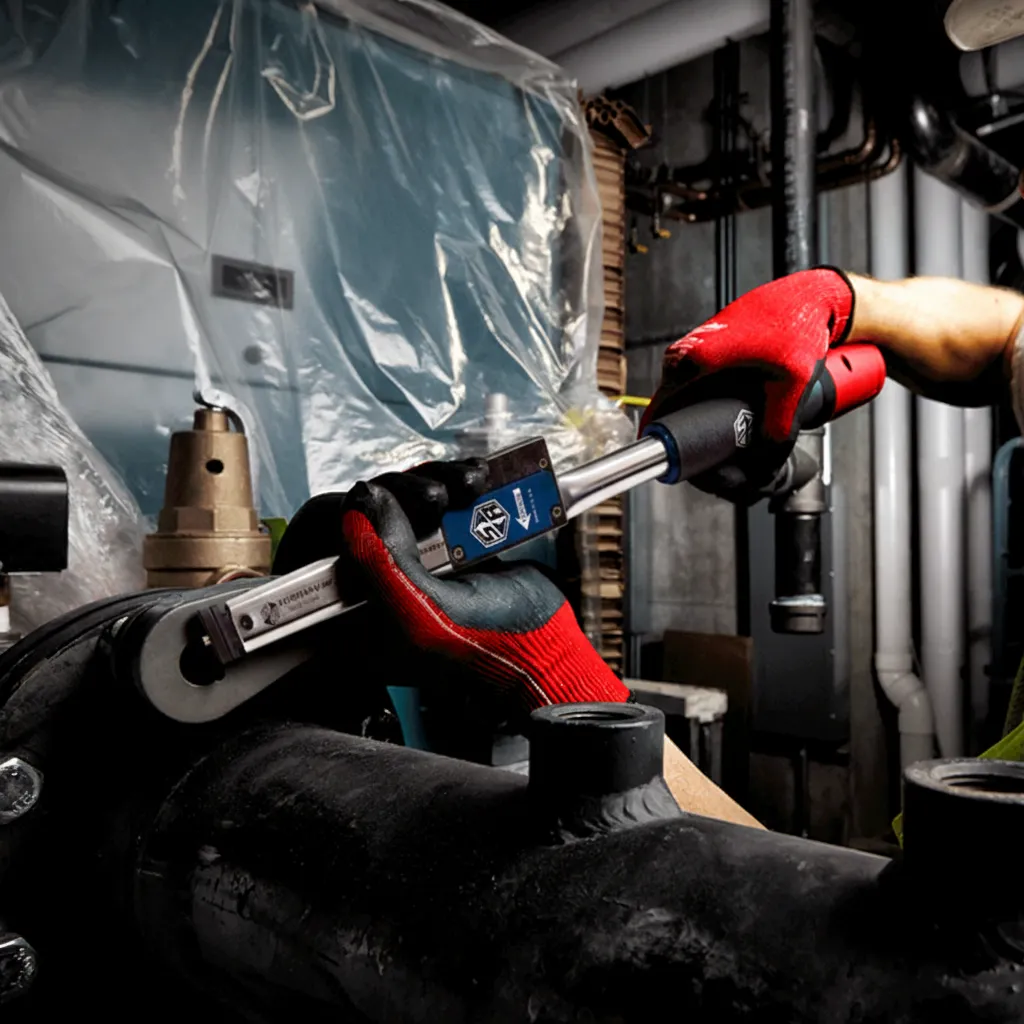
Ansomat has been a leader in advanced fastening and assembly solutions since 1996, helping manufacturers improve precision, quality and efficiency across their production processes. With decades of experience in torque control and assembly technologies, Ansomat supports a wide range of industries in solving complex manufacturing challenges.
Today, Ansomat delivers a complete portfolio of digital torque tools and smart fastening systems to enable fully connected, error-proof assembly. By integrating intelligent tightening tools with operator guidance traceability systems, Ansomat supports the next generation of smart manufacturing and Industry 5.0 production environments.
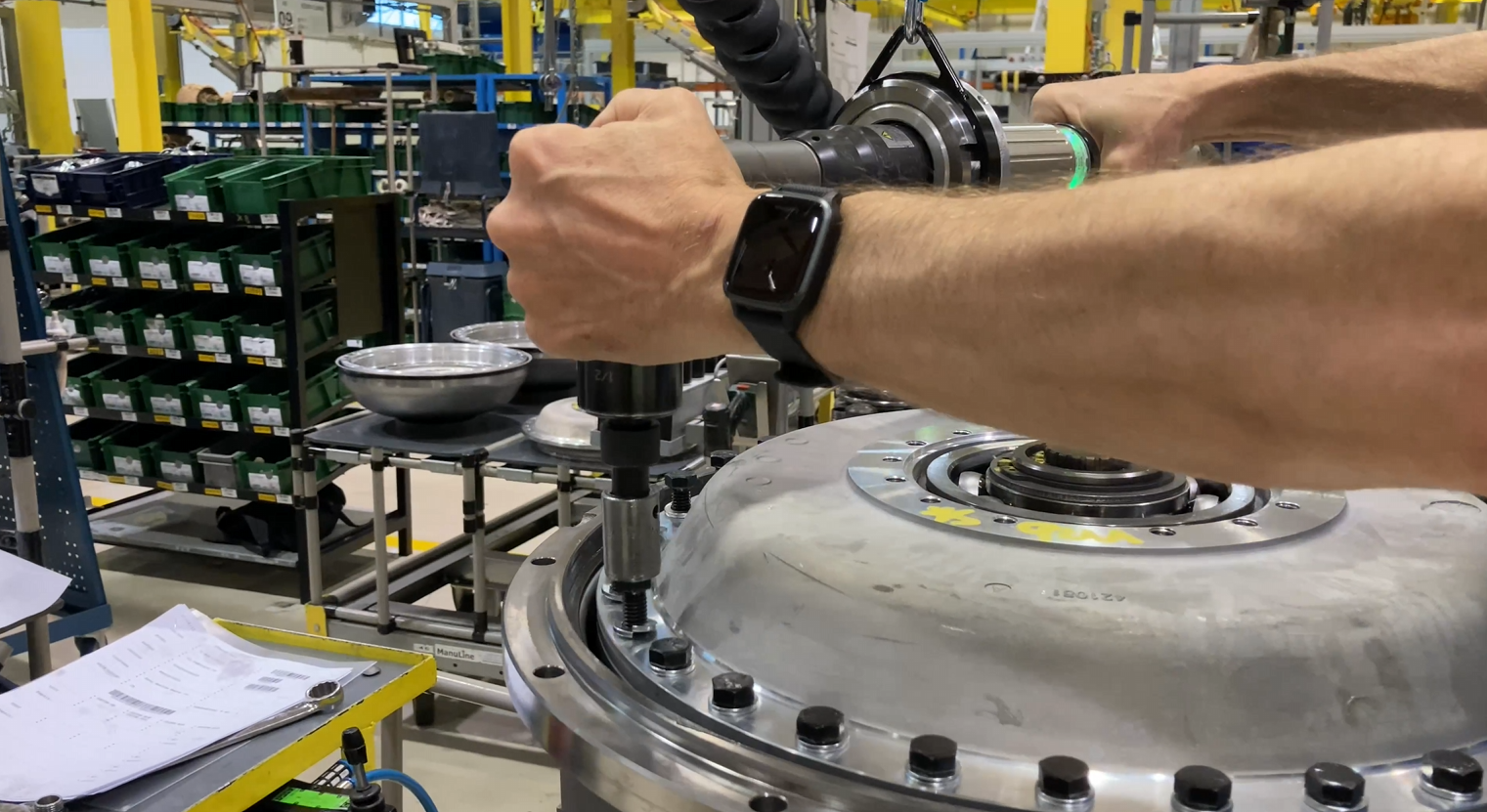
We are tightening specialists


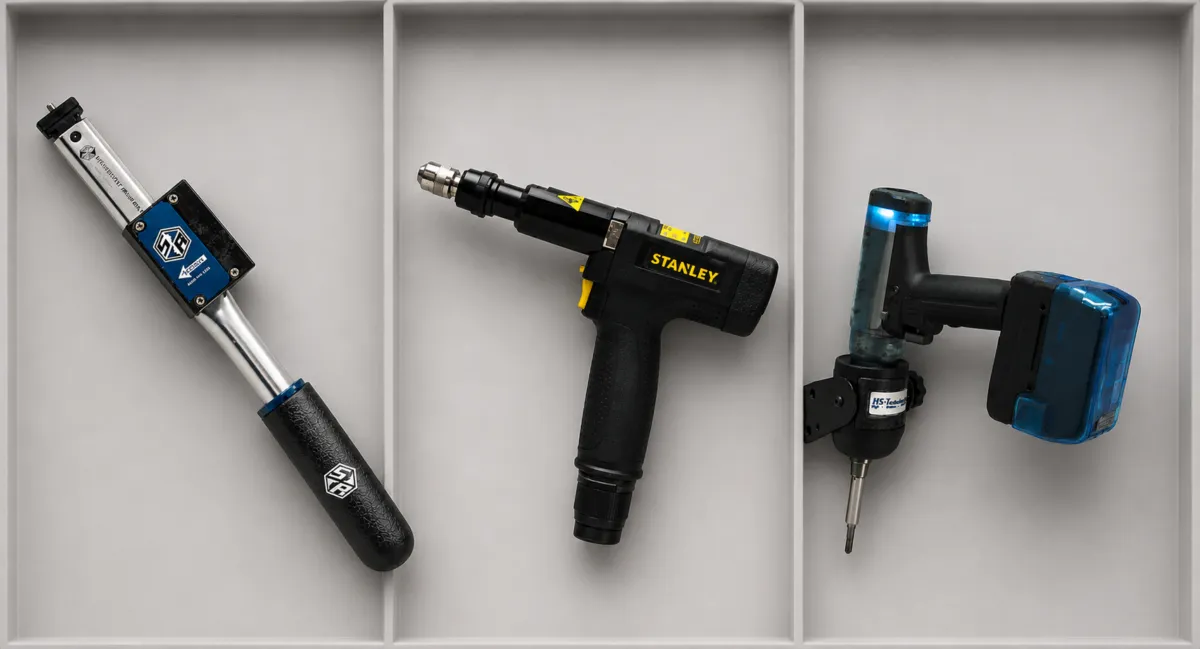
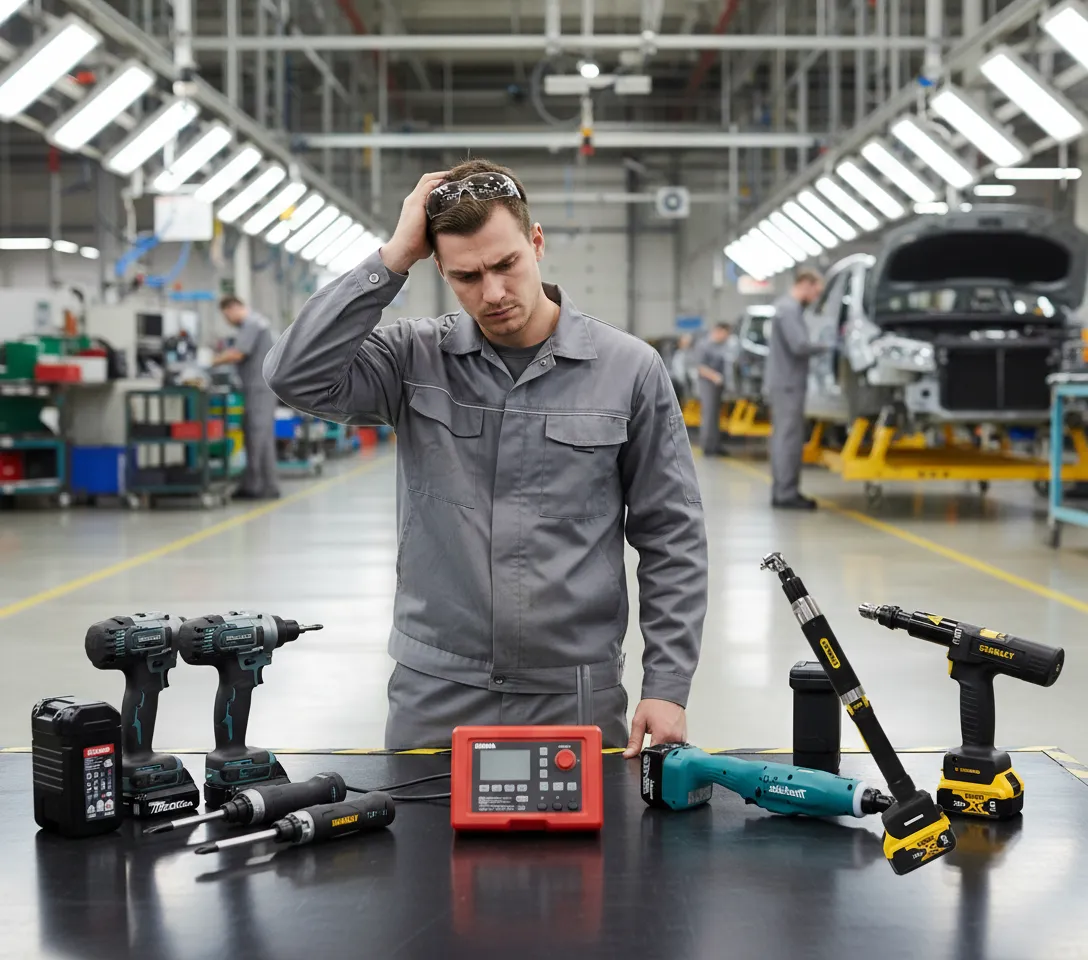
With decades of experience, we guide our clients in selecting the most effective fastening tools for their specific applications. Our extensive portfolio features high-precision, durable equipment - from basic hand tools to intelligent battery tools, digital torque wrenches, pulse tools, corded DC tools, multispindle systems and more. Whatever the project, we provide the right solution to ensure accuracy, repeatability, and productivity.

Operator safety and ergonomics are essential in every production setting. To prevent strain and repetitive motion injuries, we design custom-built constructions with integrated safety features and optimized operator positioning. Moreover, we address accessibility challenges with innovative mobile and fixed designs that eliminate “blind spots” in assembly processes. At Ansomat, no inaccessibility issue is too complex - we are known for delivering solutions that enhance both reach and efficiency on the production floor.
A Toolkit for Any fastening project
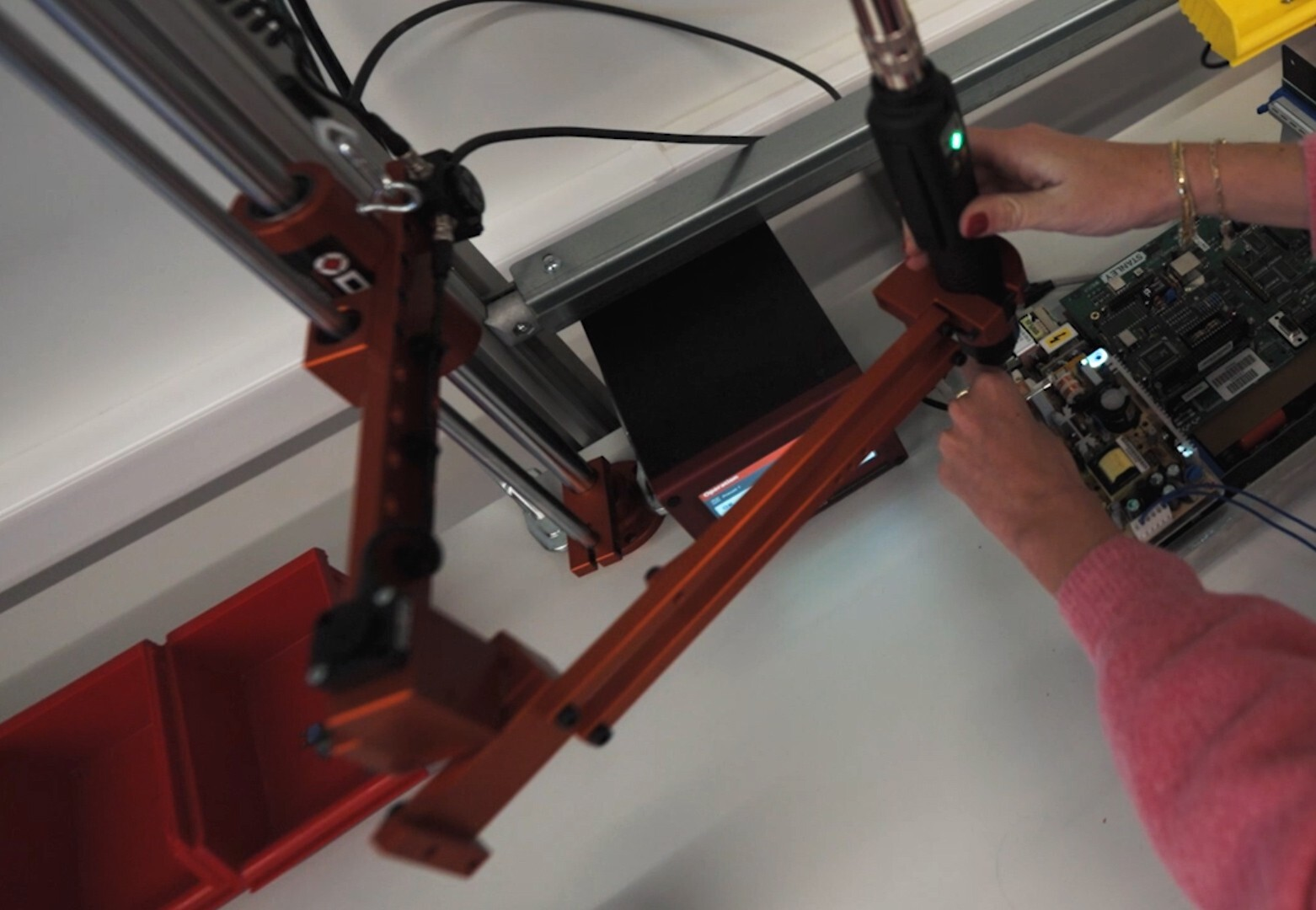
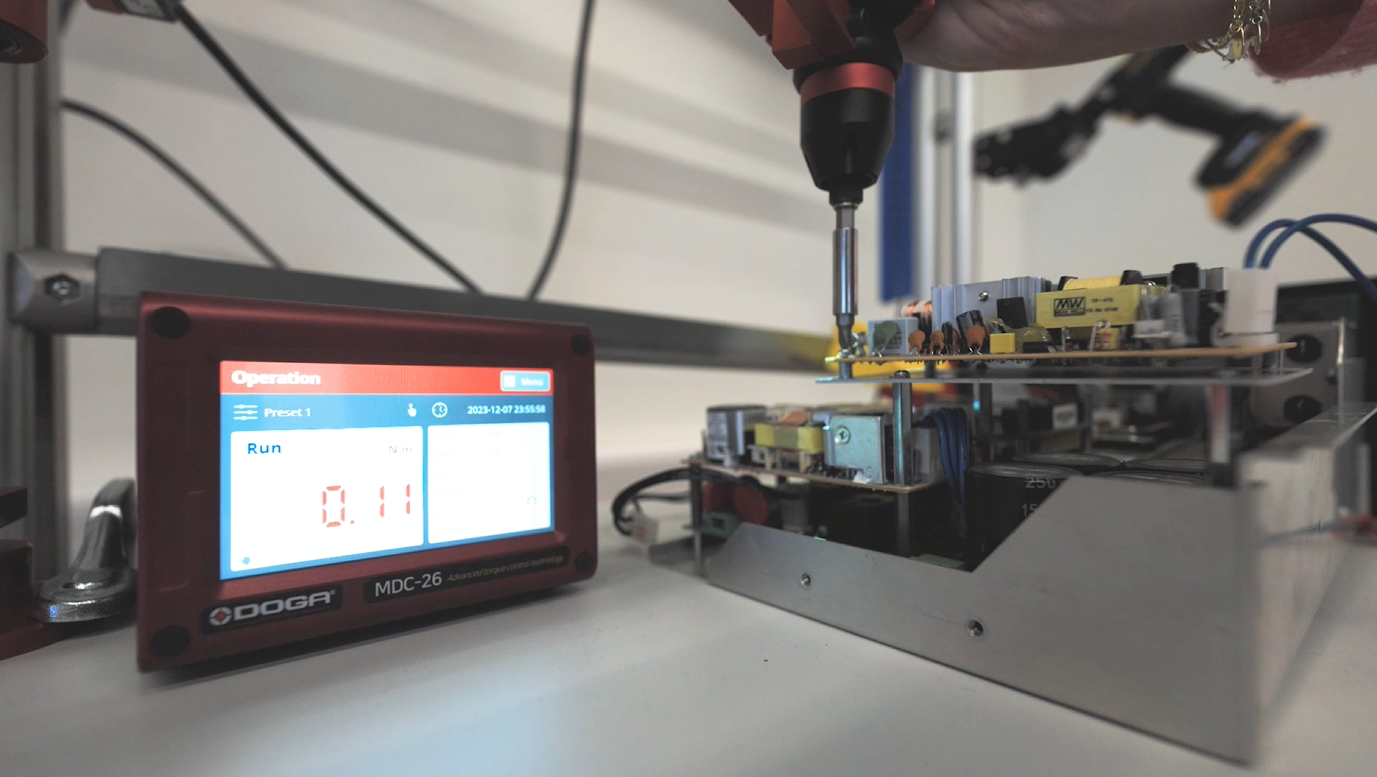
Low torque reaction tools engineered for delicate and precision assembly feature compact housings, lightweight materials, and finely tuned clutch systems that ensure minimal kickback and maximum operator comfort. Their ergonomic grip, low noise output, and smooth, vibration-controlled operation make them ideal for electronics, small mechanical assemblies, and workstations where accuracy is critical.
Many models offer adjustable torque settings, high repeatability, and compatibility with suspension systems to further reduce strain during continuous use. Built for reliability and precision, these tools deliver consistent fastening quality, enhanced safety, and improved productivity in environments that demand controlled, low-reaction performance.
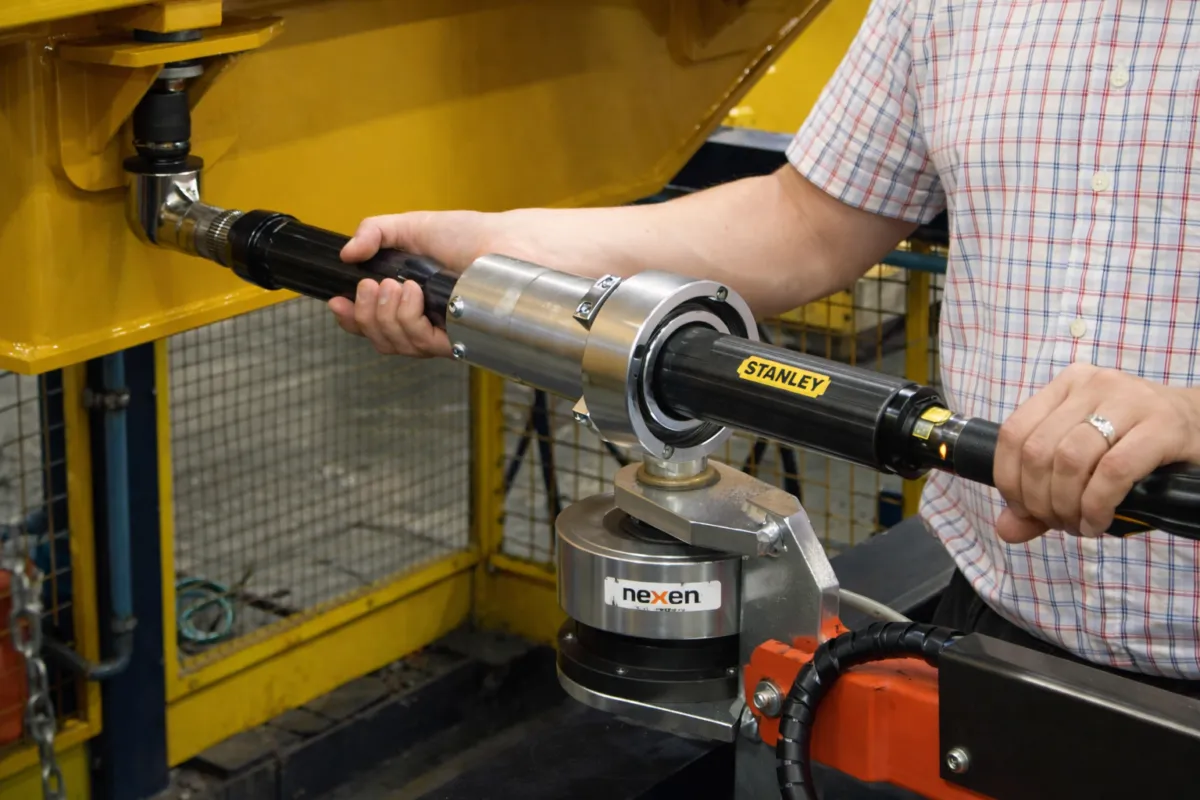
DC direct-drive tools utilize a high-efficiency brushless motor to deliver smooth, continuous torque directly to the fastener, ensuring exceptional accuracy and repeatability in tightening applications. Their direct mechanical connection allows for precise torque and angle control, making them ideal for tasks that require consistent, traceable results.
These tools often integrate intelligent controllers that record fastening data, monitor performance in real time, and support process optimization across production lines. With low maintenance needs, excellent reliability, and compatibility with automated systems, DC direct-drive tools provide a clean, efficient, and highly controlled solution for modern assembly environments.
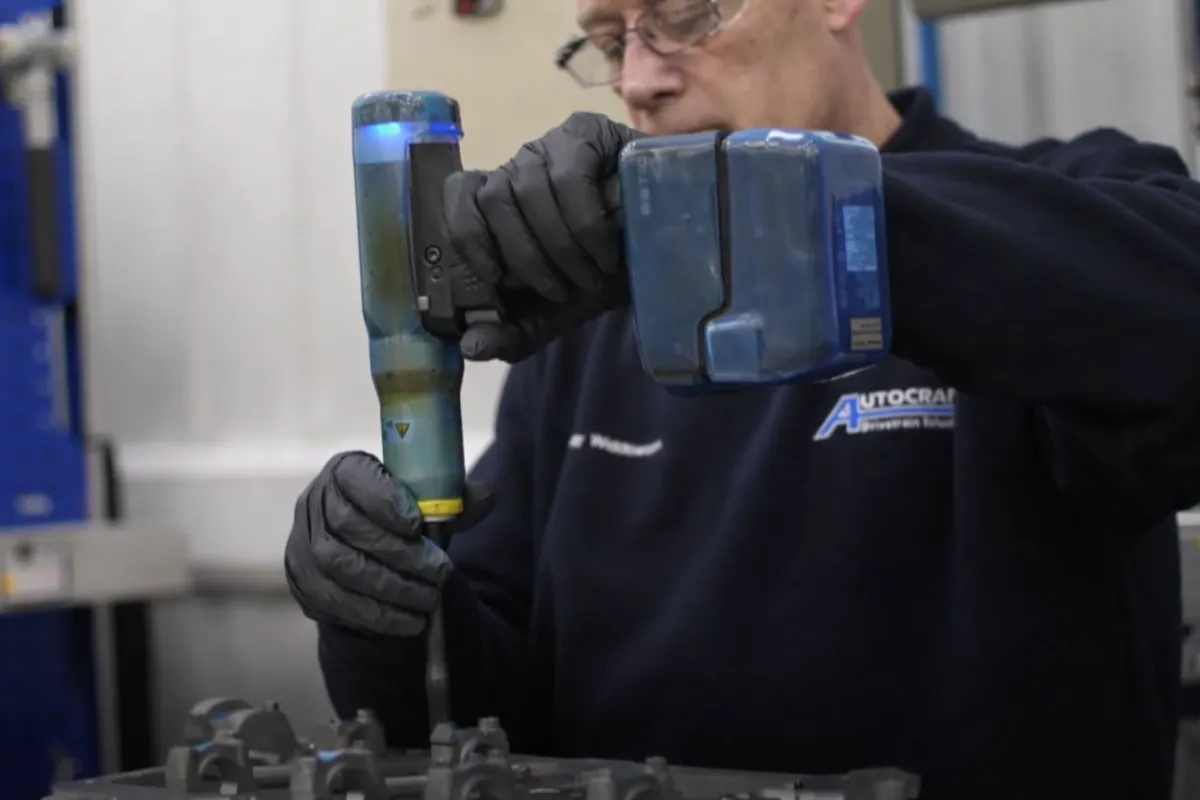
Pulsing fastening technology is an advanced tightening method that delivers torque through rapid, controlled pulses rather than a continuous rotational force, resulting in smoother and more precise fastening. This approach reduces reaction force on the operator, improves accuracy, and minimizes wear on components and tools. By applying energy in short bursts, pulsing technology helps prevent over-tightening, ensures consistent joint quality, and enhances safety on production lines. Manufacturers benefit from improved productivity, reduced operator fatigue, and greater reliability in assembly processes, making pulsing fastening an ideal solution for high-precision and high-volume industrial applications.
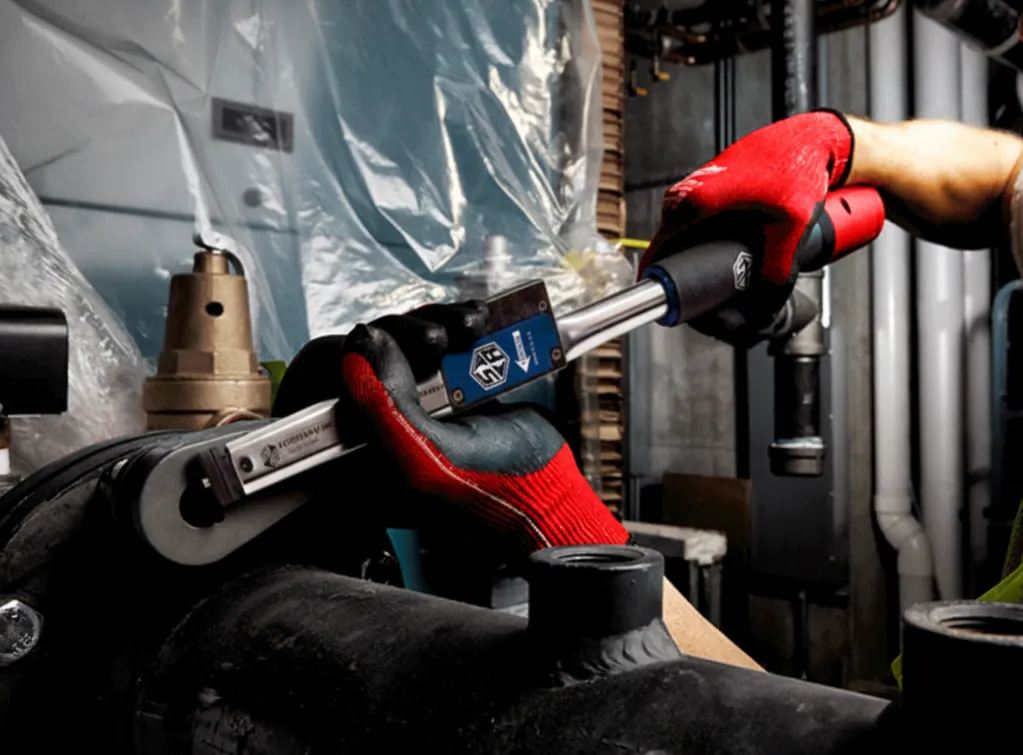
Intelligent click wrenches combine the familiar feel of a traditional mechanical click wrench with advanced digital features that enhance accuracy, traceability, and ease of use. Equipped with sensors and onboard electronics, these tools verify torque values, record tightening results, and provide visual or audible feedback to ensure every fastener meets specification.
Many models feature programmable targets, error-proofing functions, and data output capabilities for seamless integration into quality control systems. Their ergonomic design and intuitive interfaces make them suitable for both production lines and maintenance environments where consistency and documentation are essential.
The newest smart riveting tools from Stanley feature a built-in controller that delivers real-time monitoring and complete traceability without the need for an external control unit. Integrated sensors track key parameters such as pull force, displacement, and break load, giving instant pass/fail feedback for every rivet.
With programmable job profiles, onboard data storage, and optional wireless connectivity, these tools streamline quality assurance while improving flexibility on the assembly line. Their cordless, ergonomic design adds mobility and operator comfort, making them ideal for modern, data-driven manufacturing environments.
At Ansomat, we understand that operator comfort and safety are essential to maintaining both productivity and quality on the shop floor. That’s why our ergonomic solutions are designed as the perfect balance between proven durability and engineering precision.
Moreover, these systems provide the full range of motion required to perform any assembly or fastening task efficiently and safely. By minimizing physical strain and improving tool handling, operators can work with greater focus, consistency, and control, especially during repetitive or high-torque applications.
Depending on your specific requirements, our standardized ergonomic arms can be customized or adjusted to match your production setup. As a result, workers can use heavy or high-torque tools with improved stability and accuracy, significantly reducing the risk of fatigue or musculoskeletal injuries.
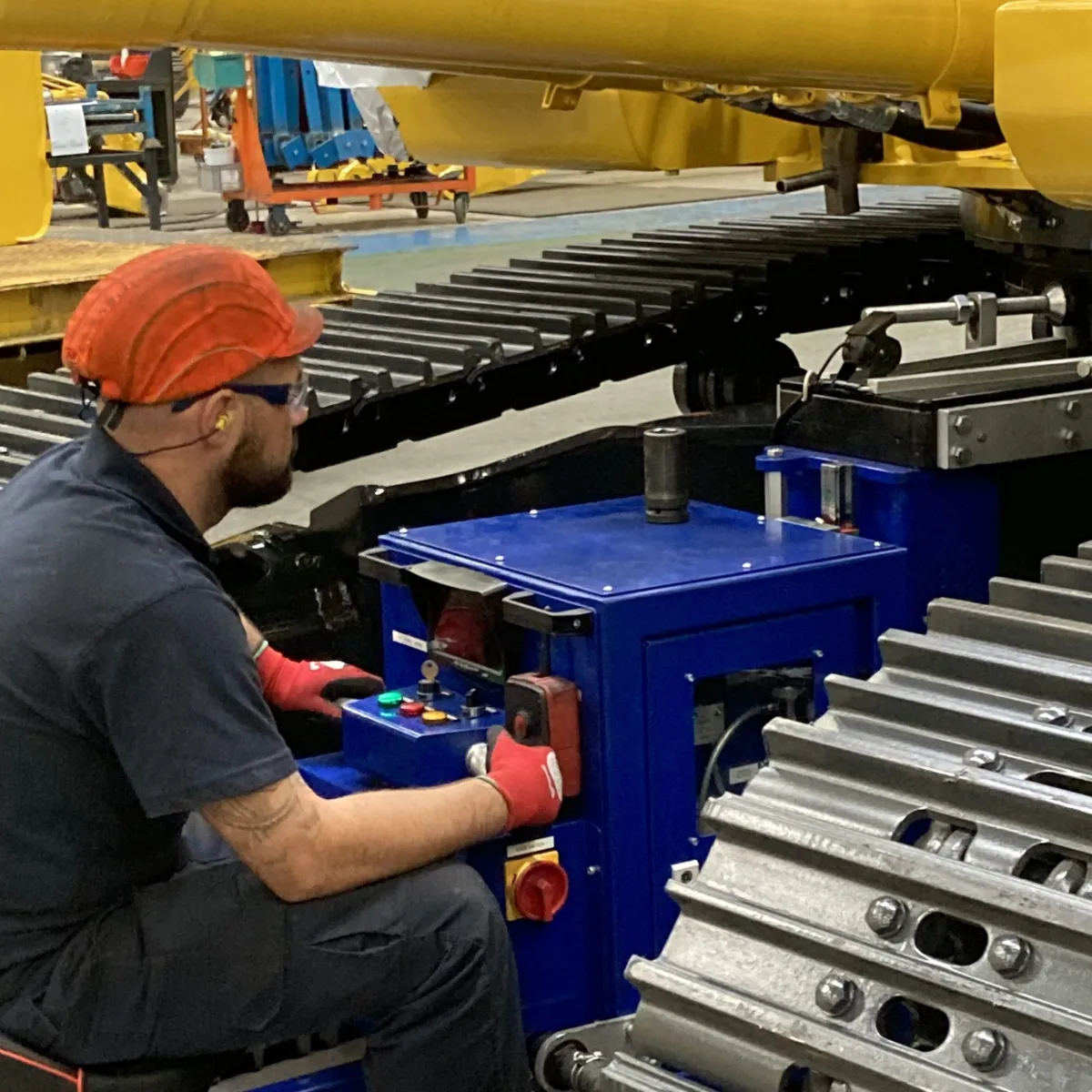
In many assembly environments, not all components are easily accessible for tightening or fastening tasks. For example, in applications such as the swing bearing of an excavator, operators often face restricted access to bolts and joints located in tight or obstructed areas. In such cases, conventional tools and setups may be insufficient to reach these points safely and accurately.
To address this challenge, Ansomat offers a range of accessibility solutions specifically engineered to reach the most difficult and hard-to-access fastening locations. With our innovative designs, operators can tighten bolts in deep recesses, narrow cavities, or complex assemblies without compromising torque accuracy or safety.
Furthermore, our accessibility systems are available in both fixed and mobile configurations, depending on your production layout and mobility requirements.

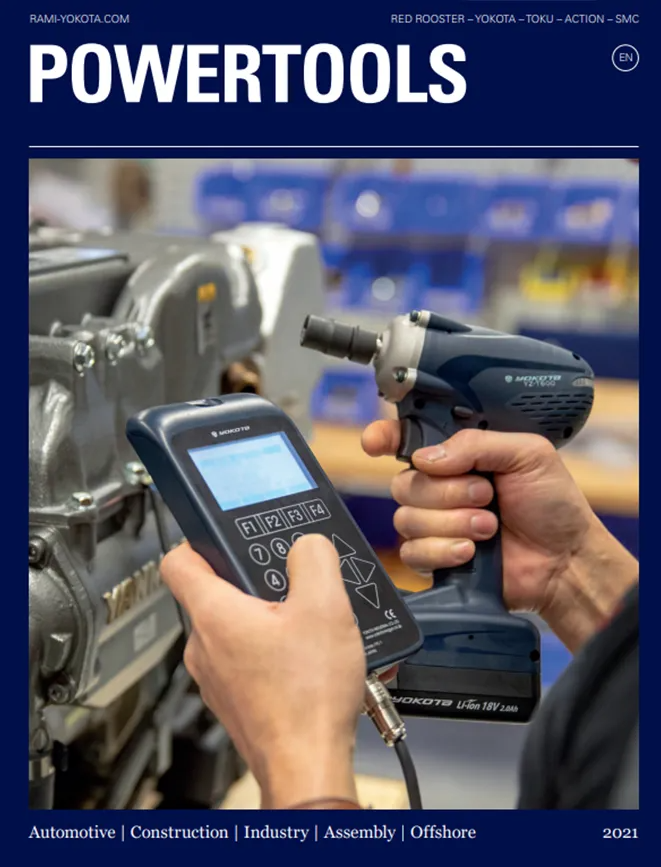

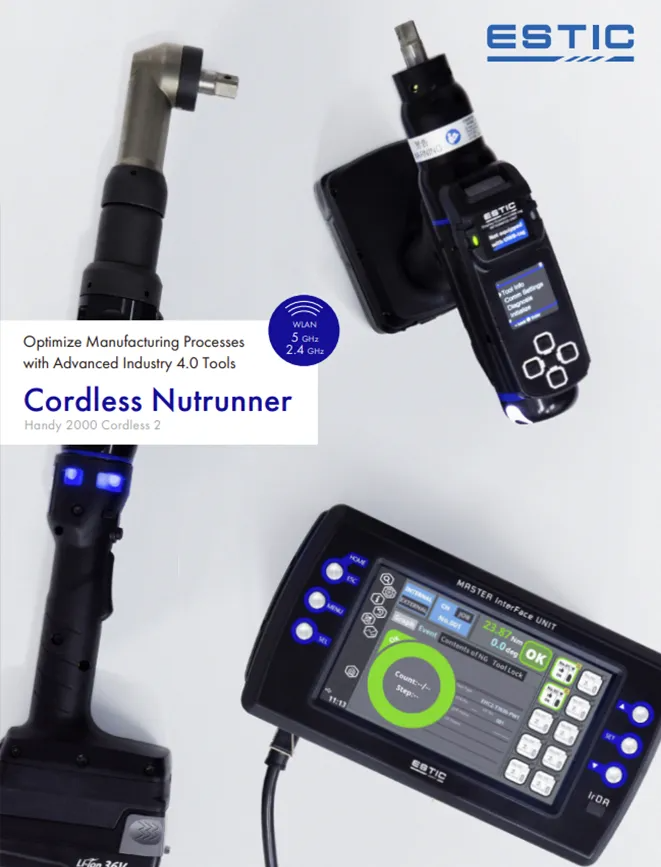

Choosing the right fastening tool depends on your application's requirements for accuracy, process control and traceability. While all three tool types are designed to tighten threaded fasteners, they differ significantly in how they measure torque, monitor the fastening process and support quality assurance. The table below compares the key features to help you select the right solution.
| Feature | Brushless Electric Fastening Tool | Torque & Angle Fastening Tool | Transducerized Torque & Angle Fastening Tool |
| Torque Control | Basic | High | Very High |
| Angle Control | No | Yes | Yes |
| Torque Measurement | Estimated | Motor encoder & controller | Built-in torque transducer |
| Process Monitoring | Basic | Advanced | Advanced |
| Traceability | Limited | Good | Full |
| Typical Applications | General assembly | Controlled production | Critical fastening |
| If you need... | Best Choice |
| A cost-effective solution for standard assembly | Brushless Electric Fastening Tool |
| Consistent torque and angle control for production | Torque & Angle Fastening Tool |
| Maximum accuracy and full fastening traceability | Transducerized Torque & Angle Fastening Tool |
The shape of a fastening tool has a major impact on operator comfort, accessibility and productivity. Choosing the correct configuration helps improve ergonomics while ensuring fasteners can be reached safely and efficiently.
| Feature | Straight | Pistol Grip | Angle |
| Best Access | Open spaces | General assembly | Tight spaces |
| Ergonomics | Good | Excellent | Good |
| Horizontal Fastening | Fair | Excellent | Good |
| Vertical Fastening | Excellent | Good | Good |
| High Torque | Medium | Medium-High | High |
| Automation | Excellent | Moderate | Moderate |
| Tool Type | Advantages | Disadvantages |
| Straight | Lightweight, compact, automation-friendly | Less comfortable horizontally |
| Pistol Grip | Comfortable, balanced, versatile | Requires more working space |
| Angle | Excellent accessibility, ideal for confined areas | Heavier and more expensive |
Both corded and cordless fastening tools deliver reliable tightening performance. The best choice depends on your production environment, mobility requirements and the level of process integration required.
| Feature | Corded | Cordless |
| Mobility | Limited | Excellent |
| Continuous Operation | Unlimited | Battery dependent |
| Tool Weight | Lighter | Slightly heavier |
| Communication | Cable | Wireless |
| Production Flexibility | Medium | High |
| Traceability | Excellent | Excellent |
| Corded | Cordless |
| Continuous power | Maximum mobility |
| Lower tool weight | No cable management |
| Stable communication | Ideal for large assemblies |
| Excellent for fixed workstations | Easier access around products |
Although both tools apply and verify tightening torque, they serve different purposes. Digital torque wrenches are manually operated and commonly used for maintenance or verification, while DC electric fastening tools are designed for controlled, repeatable production assembly.
| Feature | Digital Torque Wrench | DC Electric Fastening Tool |
| Operation | Manual | Electric |
| Torque Control | Manual | Automatic |
| Angle Control | Some models | Yes |
| Speed | Low | High |
| Repeatability | Medium | Excellent |
| Traceability | Limited | Full |
| Automation | No | Yes |
| Digital Torque Wrench | DC Electric Tool |
| Portable | Fast production |
| Flexible | Programmable |
| Ideal for maintenance | Automatic OK/NOK |
| Perfect for audits | Full process monitoring |
Electric screwdrivers and electric nutrunners are both powered fastening tools, but they are designed for different fastener sizes and torque ranges. Selecting the right tool improves fastening accuracy, productivity and operator comfort.
| Feature | Electric Screwdriver | Electric Nutrunner |
| Fastener Size | Small screws | Bolts & nuts |
| Torque Range | Low-Medium | Medium-High |
| Gearbox | Compact | Heavy-duty |
| Typical Industries | Electronics, appliances | Automotive, heavy industry |
| Requirement | Best Choice |
| Small screws | Electric Screwdriver |
| Larger bolts and nuts | Electric Nutrunner |
| High torque applications | Electric Nutrunner |
| Precision assembly | Electric Screwdriver |
Different fastening strategies are suitable for different joint types and quality requirements. Understanding the differences helps ensure reliable tightening while reducing the risk of assembly defects.
| Control Strategy | Measures | Best For |
| Torque Control | Final torque | Standard assembly |
| Angle Control | Rotation angle | Detecting joint variation |
| Torque & Angle | Torque + angle | Critical fastening |
| Strategy | Main Advantages |
| Torque Control | Simple, reliable, fast |
| Angle Control | Detects seating problems and joint issues |
| Torque & Angle | Highest process reliability |
Not every application requires a transducerized fastening tool. The right choice depends on the required accuracy, quality standards and whether direct torque measurement is necessary.
| Application | Recommended Tool |
| General assembly | Brushless Electric Tool |
| Controlled production | Torque & Angle Tool |
| Safety-critical assembly | Transducerized Tool |
Selecting the correct torque range improves fastening accuracy, extends tool life and ensures optimal performance. A fastening tool should ideally operate within its recommended working range rather than close to its maximum capacity.
| Consideration | Why it matters |
| Target Torque | Determines tool capacity |
| Fastener Size | Affects required torque |
| Joint Type | Influences tightening strategy |
| Accuracy | Determines tool selection |
| Production Volume | Influences durability requirements |
| Required Torque | Recommended Tool Capacity |
| Near minimum capacity | Choose a smaller tool |
| Middle of capacity | Ideal |
| Near maximum capacity | Choose the next larger tool |
Regular calibration ensures fastening tools continue to deliver accurate and repeatable tightening results. The required calibration interval depends on tool usage, quality standards and the criticality of the application.
| Factor | Effect |
| High usage | More frequent calibration |
| Safety-critical assembly | More frequent calibration |
| Repairs | Immediate recalibration |
| Mechanical impact | Calibration recommended |