


In modern manufacturing, electric torque tools are essential for achieving consistent, reliable fastening results. Both industrial electric screwdrivers and electric nutrunners use motor-driven torque control to deliver high accuracy, repeatability, and efficiency—far beyond manual tools.
These tools are widely used in electronics, automotive, aerospace, and industrial assembly lines, where torque consistency, process reliability, and traceability are critical.
Not sure which tool fits your application? Below, we explain the differences and help you choose the right solution.
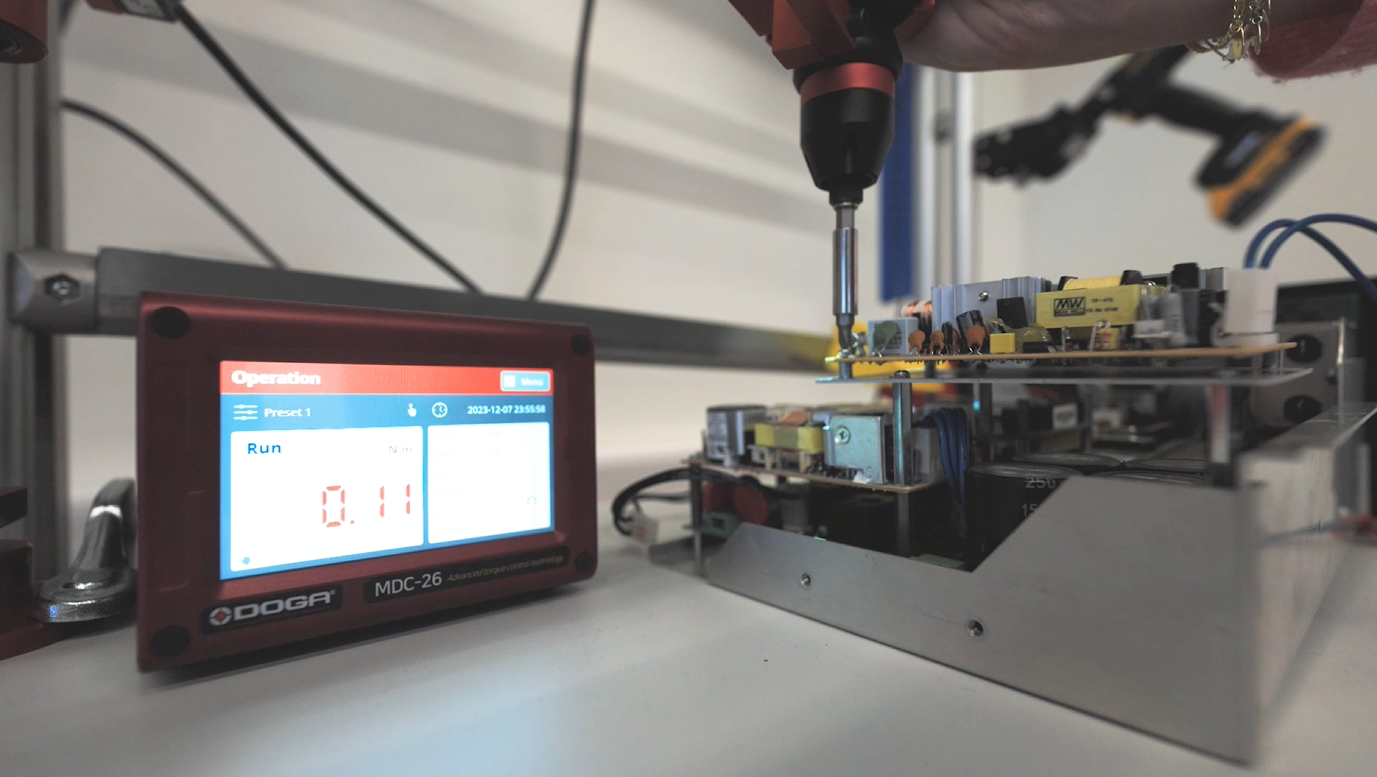
An industrial electric screwdriver is a low-torque, high-precision fastening tool designed for small fasteners and controlled assembly processes.
These tools are commonly used in:
Electric screwdrivers are best suited for applications where accuracy and consistency are more important than raw power.
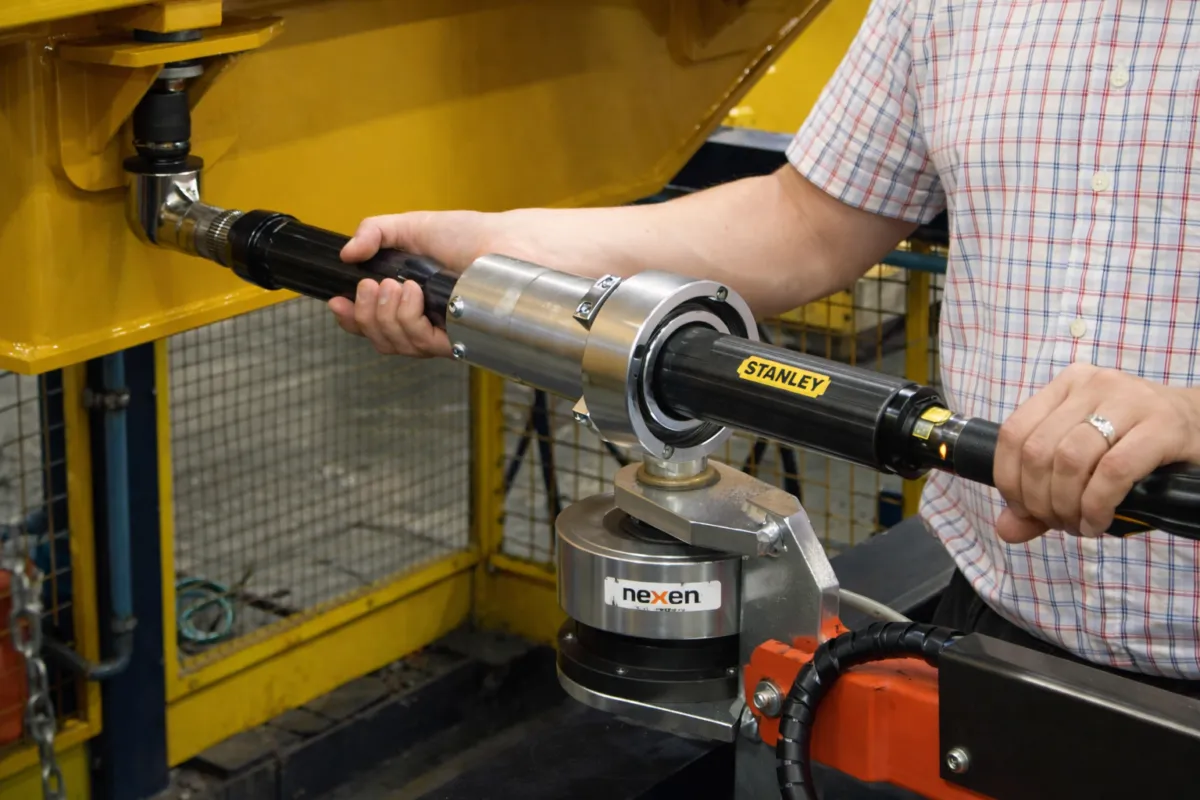
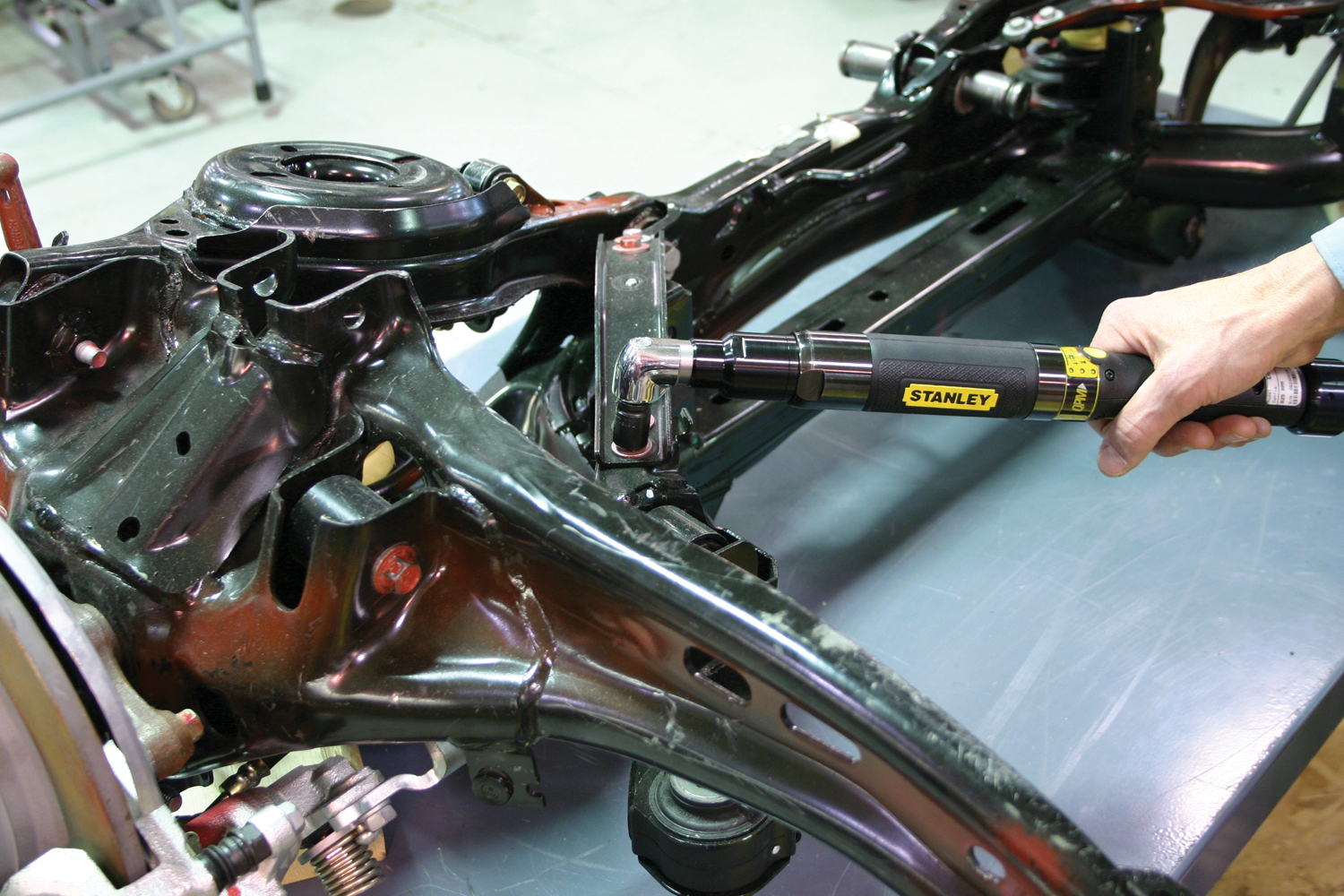
An electric nutrunner is a high-torque fastening tool designed for demanding industrial applications where joint integrity and accuracy are critical.
They are widely used in:
Electric nutrunners are ideal when applications require high torque, precision control, and full process documentation.

Both electric screwdrivers and electric nutrunners use motor-driven torque control to deliver fast, consistent fastening, making them essential for modern assembly lines where repeatability, precision, and process reliability are critical. The right choice depends on your torque requirements, joint characteristics, and application environment. For a more detailed breakdown, see this guide on how to choose an electric screwdriver.
| Selection Factor | Electric Screwdriver | Electric Nutrunner |
| Torque Range (Nm) | Low-torque applications, typically up to ~15 Nm | Medium to high torque ranges, from ~5 Nm up to hundreds of Nm |
| Joint Type | Soft joints, e.g. plastics and gaskets | Hard joints, e.g. metal-to-metal fastening |
| Application / Industry | Electronics, medical devices, and precision assembly | Automotive, aerospace, and heavy industrial production |
| Precision vs Power | Accuracy, repeatability, and small fasteners | High torque, joint integrity, and traceability, especially for safety-critical assemblies |
| Quick Decision Guide | Small screws + high precision | Large fasteners + high torque |
Modern electric screwdrivers offer advanced features for precision manufacturing:
| Smart Cabled Screwdrivers | Smart Battery Screwdrivers | ||||||
| DOGA | DOGA | DOGA | ESTIC | MAKITA | STANLEY | ESTIC | |
| Brand |  | | |  | 
|  | |
| Model |  | |  | 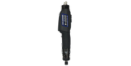 |  |  | 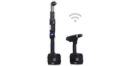 |
| Tool Name | GX/GY series | MDC series | MDT series | Micro Tools | MTC series | QBE series | EHC series |
| Covering Range | 0,09…10Nm | 0,01…49Nm | 0,01…49Nm | 0,1…5Nm | 0,5…40Nm | 1…90Nm | 1…100Nm |
| Versions | Pistol, Straight | Pistol, Straight, Angle | Pistol, Straight, Angle | Straight | Pistol, Angle | Pistol, Straight, Angle | Pistol, Angle |
| Number of presets | 1 | 16 | 16 | 99 | 1 | 256 | 99 |
| Drive | Clutch | Current Control Direct Drive | Transducerized Direct Drive | Transducerized Direct Drive | Clutch | Transducerized Direct Drive | Transducerized Pulse |
| Monitoring | OK/NOK | Torque & Angle data | Torque & Angle data | Torque & Angle data | OK/NOK | Torque & Angle data | Torque & Angle data |
| Communication | I/O | Open Protocol | Open Protocol | Open Protocol | WiFi | Open Protocol | Open Protocol |
| Controller | XT/XT series | MDC26/32 | MDT26/32 | Handy 2000 micro | MTC | QB/SC series
| EHC2-MIFseries |
| Tool Brand Name | GX/GY series | MDC series | MDT series | Micro Tools | MTC series | QBE series | EHC series |
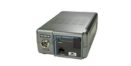 | 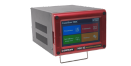 | 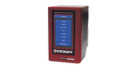 | 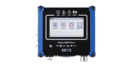 |  |  | 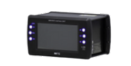 | |
| Controller capacity | 1 screwdriver per controller | 1 screwdriver per controller | 1 screwdriver per controller | 1 screwdriver per controller | N/A | up to 6 wireless screwdrivers/controller | up to 10 wireless screwdrivers/controller |
These tools are essential for:
Electric nutrunners provide powerful fastening combined with intelligent control:
| Electric Hand-held Nutrunners | Electric Spindles | |||||
| STANLEY | ESTIC | YOKOTA | NORBAR | STANLEY | ESTIC | |
| Brand | |
|  |  |
| |
| Model | 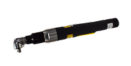 | 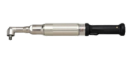 | 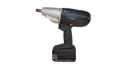 |  | 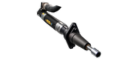 | 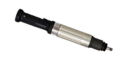 |
| Tool Name | QB series | EH2 series | E-wrench | EvoTorque | QB series | EH2 series |
| Covering Range | 0,5…400Nm | 1…180Nm | 3…90Nm | 100..7000Nm | 1…2200Nm | 1…600Nm |
| Versions | Pistol, Straight, Angle | Pistol, Angle | Pistol | Pistol | Straight | Straight, Angle |
| Number of presets | 256 | 99 | 16 | 1 | 256 | 99 |
| Drive | Transducerized Direct Drive | Transducerized Pulsing | Transducerized Pulsing | Transducerized Direct Drive | Transducerized Direct Drive | Transducerized Direct Drive |
| Reaction device needed? | yes | no | no | yes | yes | yes |
| Monitoring | Torque & Angle data | Torque & Angle data | Torque & Angle data | Torque & Angle data | Torque & Angle data | Torque & Angle data |
| Communication | Open Protocol | Open Protocol | Open Protocol | none | Open Protocol | Open Protocol |
| Controller Brand Name | SC Series | HT45/50 series | YETC series | direct 220VAC | SC Series | HT45/50 |
| Controller Model | 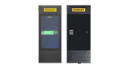 | 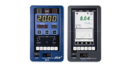 | 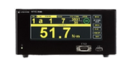 | N/A | | |
| Controller capacity | 1 tool/controller | 1 tool/controller | 1 tool/controller | N/A | 1 tool/controller | 1 tool/controller |
They are widely used in:

While electric screwdrivers and nutrunners already deliver high levels of precision, consistency, and process reliability in modern assembly environments, their full potential is realized when integrated with digital operator guidance systems. By combining these tightening tools with guided workflows, manufacturers can ensure that each fastening operation is executed in the correct sequence, with the right parameters and immediate validation of OK/NOK results. This is especially critical in applications where traceability and repeatability are essential, as advanced nutrunners already support data logging and error-proofing capabilities. operator guidance for tightening tools builds on this by guiding operators step-by-step, reducing human error, and ensuring every fastening process meets defined quality standards while improving overall production efficiency.

Torque angle control measures both torque and rotation angle, ensuring proper joint tightening and improved accuracy.
High-quality tools can achieve accuracy levels of ±3% or better, depending on the system and calibration.
Accuracy depends on the joint classification:
Torque traceability means recording:
It ensures: