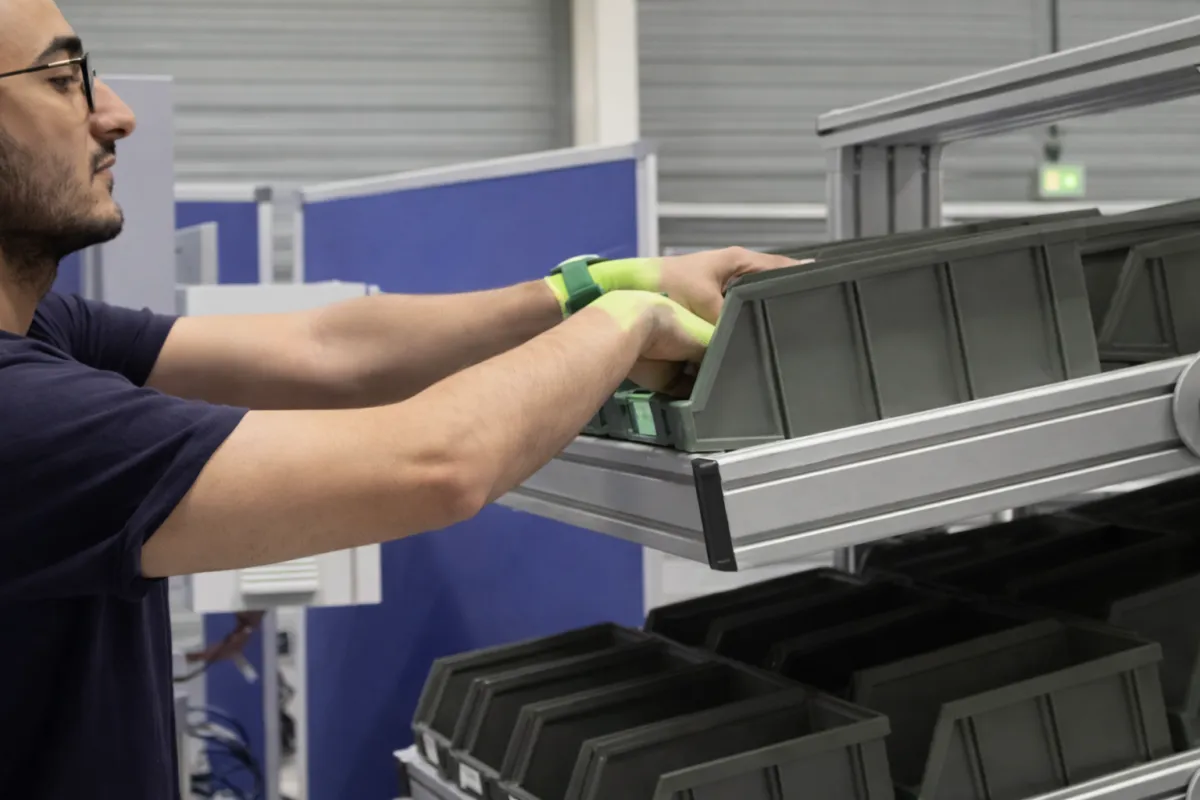
Before a product can be assembled, all its individual parts and components must be collected from storage. This picking process, often referred to as pick-to-light is a critical step in manufacturing and logistics. During this stage, operators select the correct parts from the designated bins - often spread across multiple locations - and prepare them for assembly.
In addition to picking, the process of kitting components, also known as put-to-light, involves grouping and packaging individual parts required for a specific assembly, production task, or order into a single, organized kit.
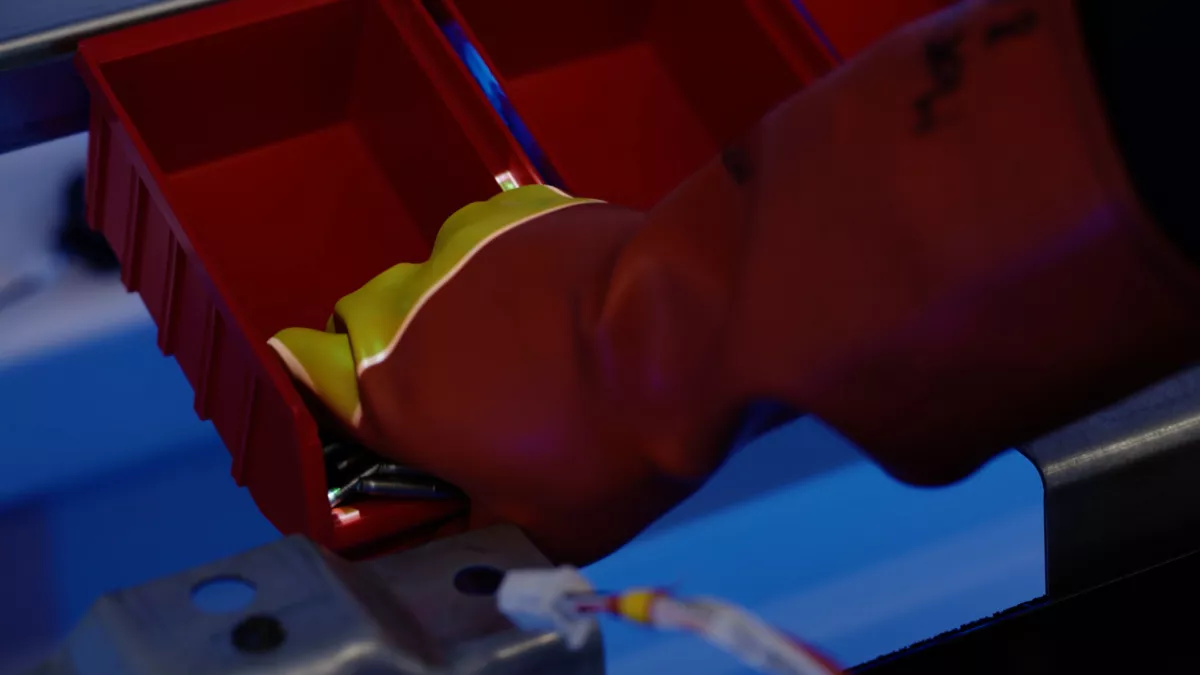
Digital operator guidance transforms manual picking and kitting operations into controlled, traceable workflows. Operators receive clear instructions for every step, while connected technologies validate that the correct component and quantity have been selected.
With Ansomat picking and kitting solutions, manufacturers can:
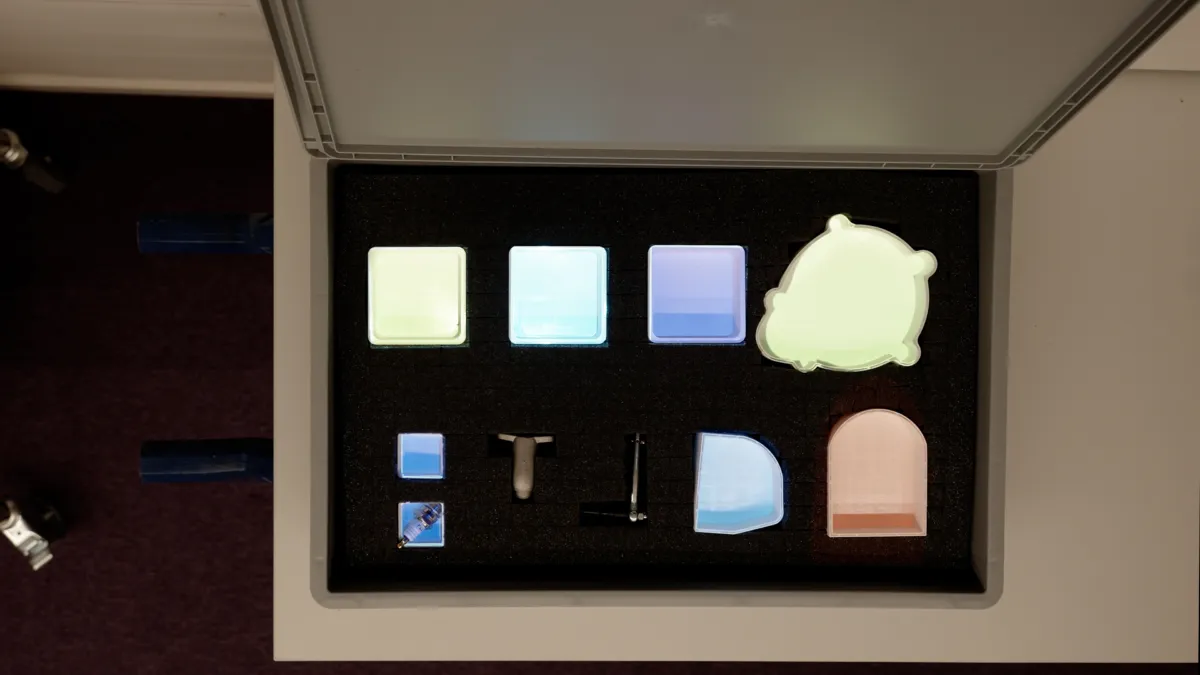
Kitting in manufacturing is the process of collecting and organizing all components required for a specific product, assembly task or production order into one complete kit. Instead of searching for individual parts during assembly, operators receive the right components, in the right quantities, at the right time.
Picking involves selecting parts from their storage locations, while kitting brings these parts together into a structured, production-ready set. An efficient manufacturing kitting process reduces search time, prevents missing or incorrect components and improves material flow.
Digital operator guidance further improves picking and kitting through technologies such as pick-to-light, projected instructions, 3D sensors and barcode validation. These solutions guide operators through each step and help improve accuracy, traceability and efficiency.

The manufacturing kitting process starts with the requirements for a specific product, assembly task or work order. Operators are guided through the following steps:
Digital guidance and real-time validation make kitting operations more accurate, efficient and traceable while preventing errors before they reach assembly.
Put-to-light. Pick-to-light in manufacturing.

Pick-to-light sensors use LED indicators mounted above each bin to visually guide operators during the picking process. When a part is required, the corresponding light illuminates, often also showing the quantity to pick. Different types of sensors are available, including captive touch buttons, mechanical push buttons, and proximity sensors that detect when a hand enters the bin.
Advantages
Considerations
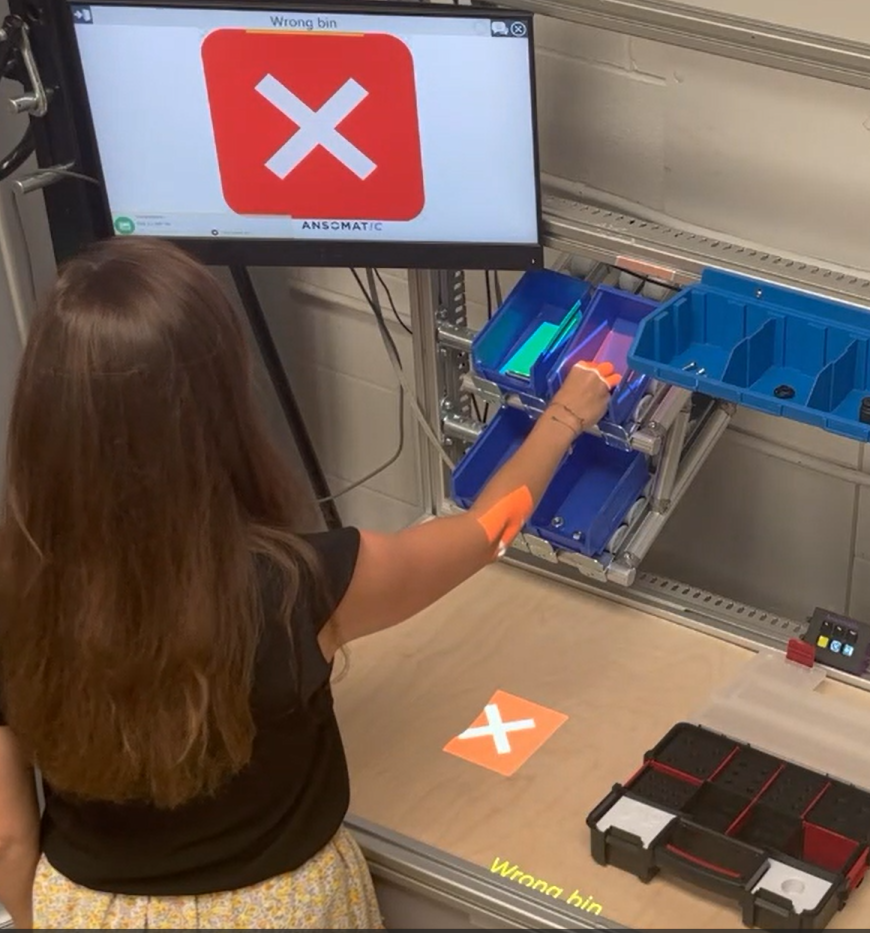
This solution combines a 3D sensor with a projector system to indicate the correct picking location. Instead of installing hardware above each bin, a projector mounted above the workstation highlights the correct bin with light patters or colors. Some advanced systems even warn operators (e.g. blink red) when they reach into the wrong bin
Advantages
Considerations

A more straightforward approach uses barcode scanners to confirm that the correct parts are picked. Each bin or part is labelled with a barcode, which the operator scans during picking. This can be integrated with a counting system to track quantities and ensure completeness. Either you can use a dedicated barcode scanner or use our app.
Advantages
Considerations

A RTLS (Real-Time-Location System) bracelet enables complete flexible picking. Once bin and locations are mapped into the operator guidance system, the bracelet identifies the operator’s position and confirms whether the correct bin is accessed. This approach eliminates the need for physical hardware or scanning at each station.
Advantages
Considerations

Kitting in manufacturing is the process of collecting and organizing all components required for a specific assembly, production task or work order into one complete kit. This allows operators to access the correct parts without searching for individual components during assembly.
Picking involves selecting the required parts from their storage locations. Kitting involves grouping those selected parts into a complete, organized set for assembly or production.
Picking and kitting errors can be reduced with technologies such as pick-to-light systems, projected visual guidance, 3D sensors and barcode validation. These solutions guide operators to the correct location and verify their actions during the process.
A pick-to-light kitting solution uses illuminated indicators to guide operators to the correct storage bin. Displays can also communicate the required quantity, while sensors or confirmation buttons verify each picking step.