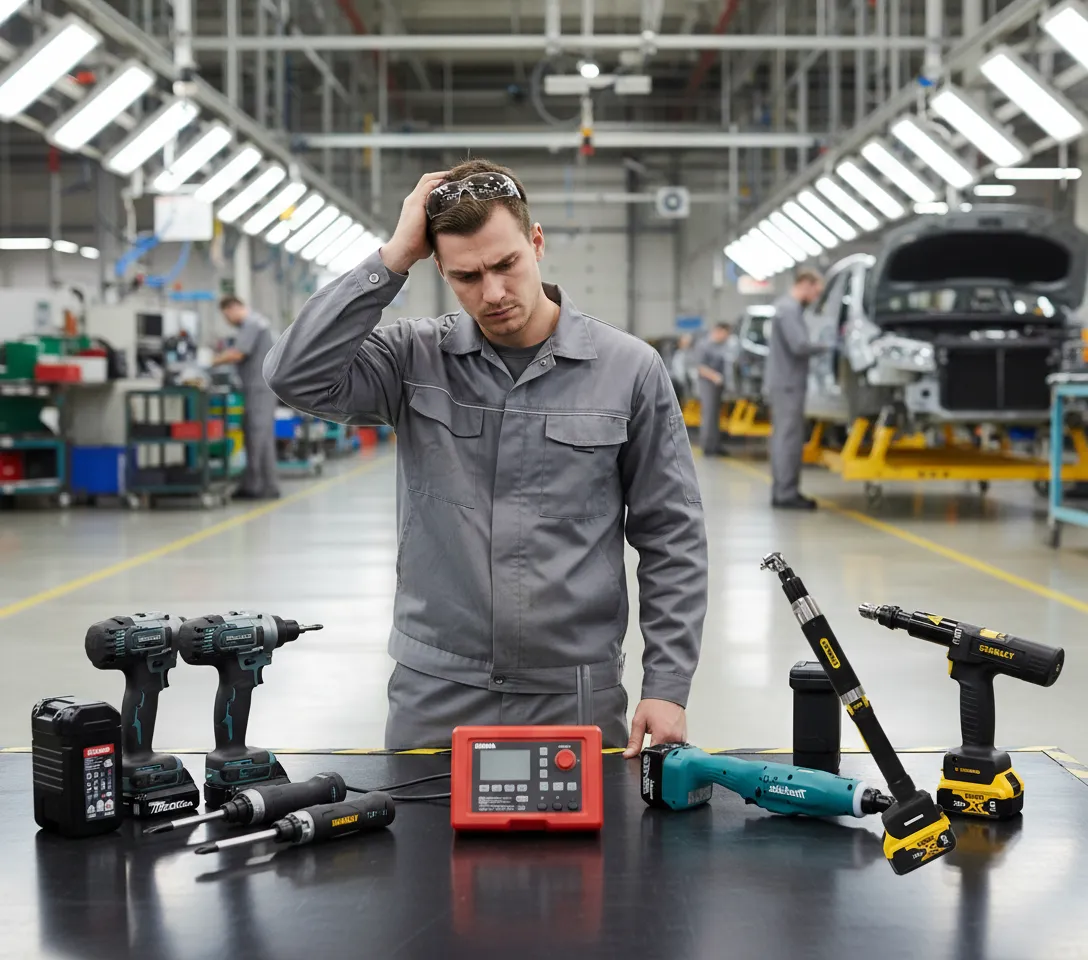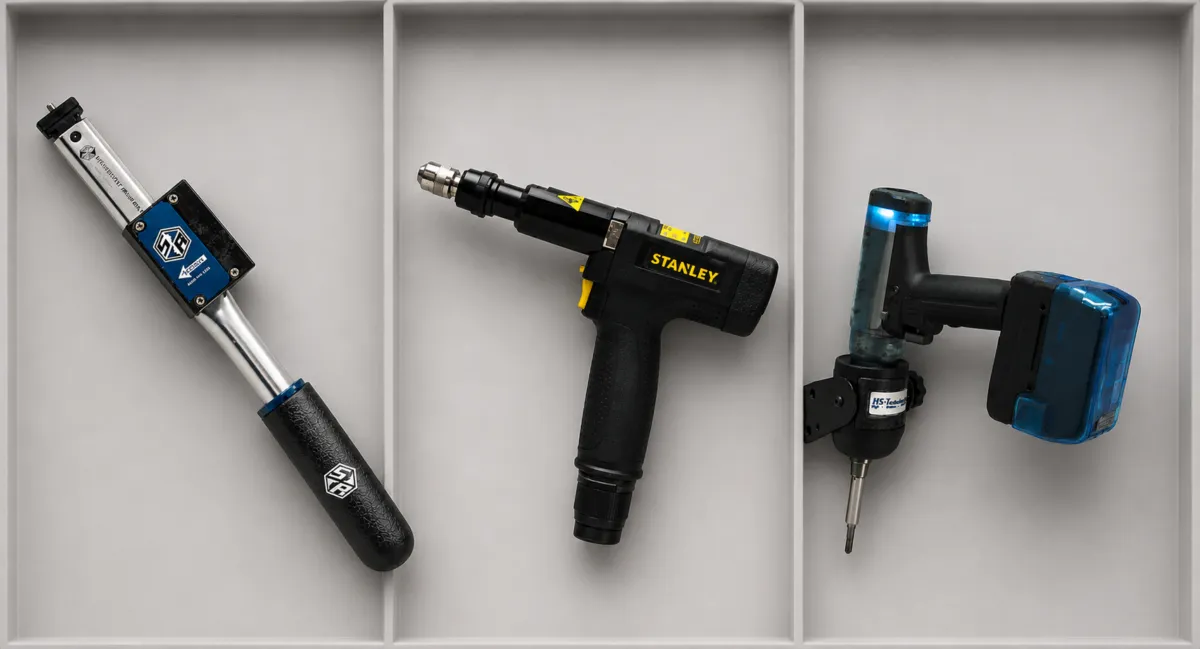
In modern manufacturing, tightening tools have evolved significantly. Today’s electric screwdrivers, digital torque wrenches, and advanced torque screwdrivers are more intelligent than ever.
They can:
But despite these advancements, a critical gap remains:
To achieve true quality, traceability, and error-proofing, manufacturers must combine tightening tools with process control software and digital work instructions within a connected worker platform.
The Evolution of Tightening Tools (and Their Limits)
Over time, tightening tools have become smarter and more precise.
Modern capabilities include:
These innovations have significantly improved torque monitoring and fastening accuracy.
But key problems still remain:
Even with the best tools, manufacturers still struggle with fundamental questions:
👉 These are process-level problems, not tool-level problems.
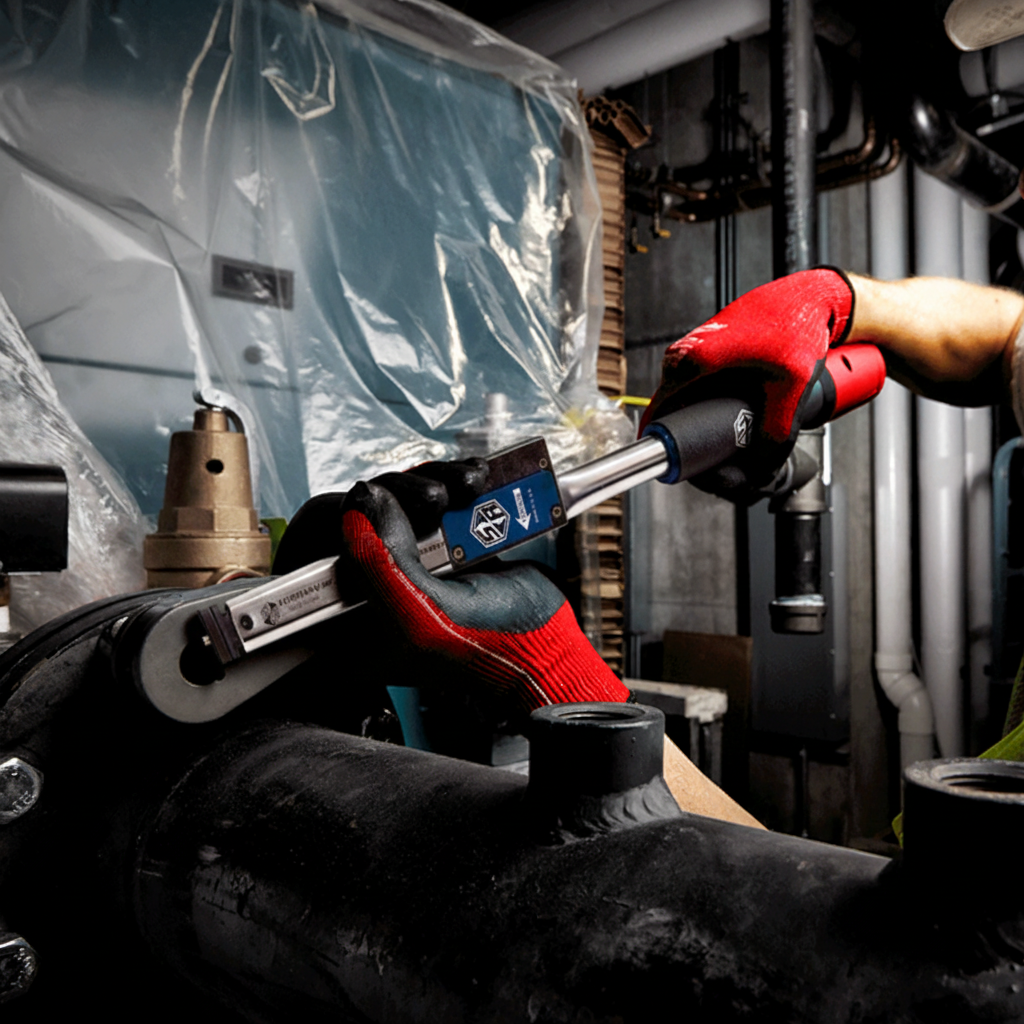
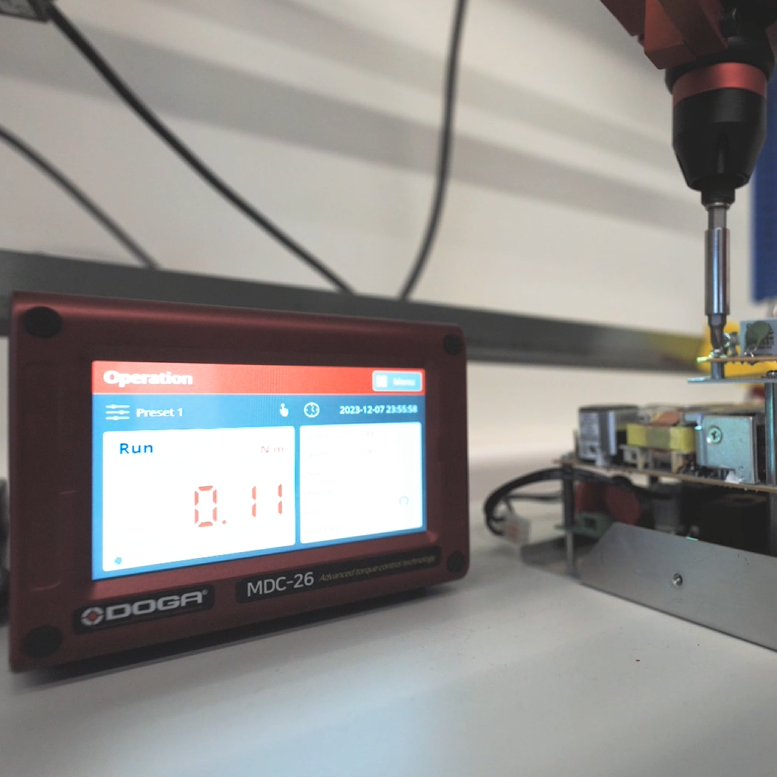
A connected worker platform with integrated manufacturing work instructions acts as the control layer above the tools.
It ensures:
👉 In short:
It controls the process, not just the torque
When smart tightening tools are integrated with work instruction software, you unlock full process control.
1. Visual Guidance for Bolt Sequences
Operators are guided step-by-step with:
👉 This eliminates:
https://ansomat.co/operator-guidance/tools-devices/tightening-tools
2. Intelligent Error Handling & Repair Flows
If an error occurs, the system can trigger predefined recovery actions:
👉 This ensures:
Errors are corrected properly—not just patched
3. Socket Tray Integration (Error-Proof Tool Selection)
With connected socket trays:
👉 This prevents:
4. Tool Position Control (RTLS)
Using high-accuracy positioning systems:
👉 This is critical in complex assemblies with many fasteners
https://ansomat.co/operator-guidance/tools-devices/rtls
5. Full Data Recording & Shop floor Traceability
Every tightening action is recorded:
👉 Combined with traceability software, this enables:
At ansomat we have a wealth of experience with combining smart fastening tools, electric nutrunners, digital torque wrenches, smart rivet tools
Herewith an article how to choose the perfect smart tightening tools for your application:
https://ansomat.co/blog/12-critical-factors-electric-screwdriver-selection
Typical use cases include:
EV battery assembly
Battery assembly involves many critical fastening steps where sequence, location, and traceability are essential. Process control software combined with smart tightening tools ensures that every bolt is tightened in the correct order, at the correct position, and with full data capture.
Hydrogen fuel cell production
In hydrogen-related applications, quality standards are extremely high. Guided assembly with integrated tightening validation helps manufacturers standardize the process, reduce risk, and maintain complete traceability for every tightening action.
Truck and automotive assembly
In large-scale vehicle manufacturing, missing one bolt or applying the wrong tightening strategy can have major consequences. With visual operator guidance, RTLS position control, and integrated smart tools, manufacturers can achieve 100% process compliance and reduce rework significantly.
Complex multi-station assembly lines
In multi-station production environments, consistent execution across operators and shifts is critical. Integrated work instructions software ensures that each operator follows the same sequence, uses the correct tool, and records the correct data at every station.
Aerospace assembly
In aerospace manufacturing, precision, traceability, and compliance are absolutely critical. Even the smallest fastening error can have serious safety and regulatory consequences. By combining work instructions software with smart tightening tools such as a digital torque wrench or electric screwdriver, manufacturers ensure that every fastening operation is executed exactly as specified.
Operators are guided through complex assembly sequences with strict validation of torque values, tightening order, and exact position. At the same time, complete torque monitoring and data capture within a defined digital torque range provide full traceability for every component and serial number.
👉 This enables aerospace manufacturers to:
In high-reliability environments like aerospace, combining smart tools with manufacturing work instructions is not just an optimization—it is essential for guaranteeing safety and compliance.
Ansomat has extensive experience integrating smart fastening tools, electric nutrunners, digital torque wrench systems, and smart rivet tools into controlled assembly environments.
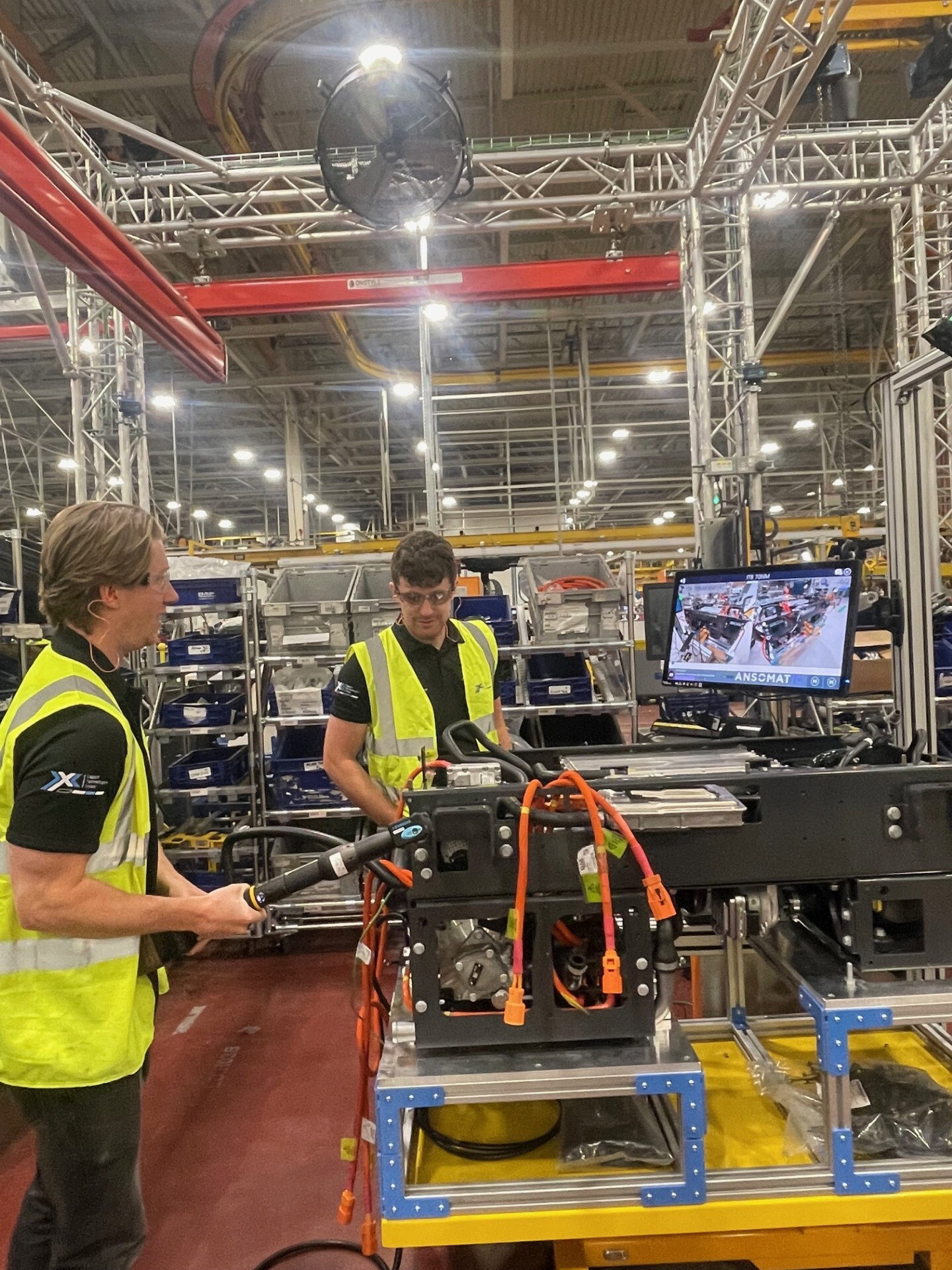
In a two-station EV battery assembly system for DAF Trucks, Ansomat combined operator guidance, digital work instructions, RTLS position control, and DC fastening tools into one seamless workflow.
Each station was designed to:
The result:
Read full customer testimonial: https://ansomat.co/references/daf-leyland-trucks-supporting-trucks-zero-emission-future
For Toyota’s hydrogen fuel cell production, Ansomat deployed operator guidance across multiple assembly stations, integrating digital work instructions and intelligent torque wrenches tailored to Toyota’s production requirements.
The solution included:
The result:
Read full customer testimonial:
For Tier 1 suppliers and advanced manufacturers, combining smart fastening tools with work instructions software is not just about efficiency. It creates a real competitive advantage.
OEMs increasingly expect suppliers to demonstrate not only final quality, but also how that quality was achieved. A connected worker platform with integrated tightening data makes that possible.
With a fully controlled and traceable process, manufacturers can prove execution quality with hard data. Every fastening action, from torque values and angle measurements to sequence compliance and operator interaction, is linked to a product or serial number.
That allows suppliers to move from assumptions to evidence in discussions about quality performance.
| Aspect | Without process control software | With process control software & work instructions software |
|---|---|---|
| Process control | Tool controls torque only | Full process control (sequence, position, validation) |
| Assembly sequence | Not enforced, operator-dependent | Fully guided and enforced step-by-step |
| Missed bolts | Possible, no detection | Prevented through validation and sequence control |
| Torque monitoring | Available (OK/NOK) | Integrated with full process validation |
| Position control | Not available | Verified via RTLS or positioning systems |
| Tool selection | Manual, risk of error | Error-proofed (e.g. socket tray integration) |
| Rework handling | Operator decides | Automated, guided repair workflows |
| Traceability | Limited (torque data only) | Full traceability (torque, angle, operator, step, product) |
| Operator guidance | Minimal or none | Real-time visual guidance via manufacturing work instructions |
| Training time | Longer, experience-based | Faster with intuitive digital instructions |
| Error-proofing | Partial (tool-level only) | Complete (process + tool-level) |
| Scalability | Difficult across shifts/locations | Highly scalable and standardized |
| Compliance & audits | Limited proof of process | Audit-ready, full product genealogy |
| Industry relevance | Traditional manufacturing | Essential for smart factories & Industry 5.0 technologies |
A smart tool such as an electric screwdriver, digital torque wrench, or other connected fastening device is a major step forward, but it is only one part of the solution.
To truly improve quality, traceability, and process reliability in smart factories and with Industry 5.0 technologies, manufacturers must combine smart tools with work instructions software, process control, and manufacturing work instructions.
That is how companies move from torque control to full process control.