People, Not Just Machines: Solving Manufacturing’s Workforce Crisis in the Age of Industry 5.0
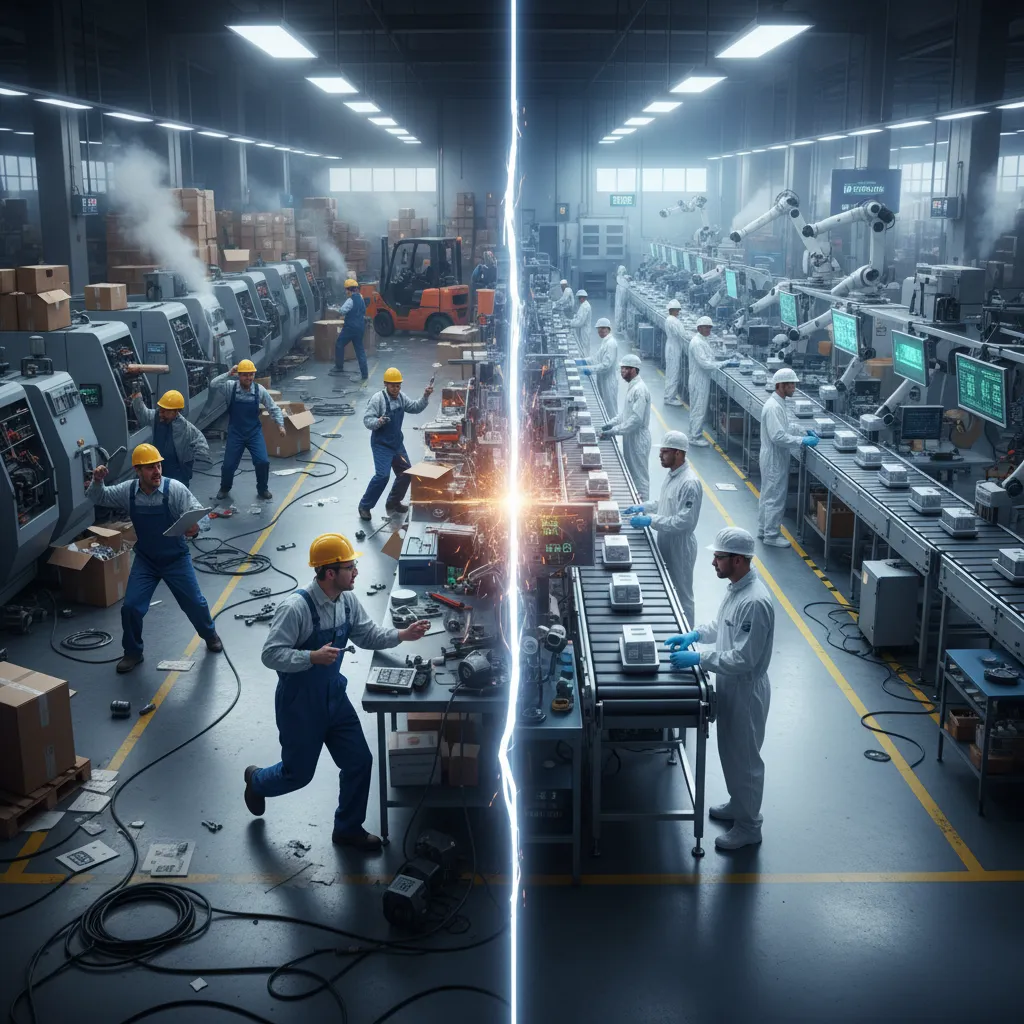
Manufacturing has always been about precision, efficiency, and control. Machines can be calibrated. Processes can be optimized. Outputs can be measured.
People, however, are different.
They can be tired. Distracted. Sick. Unmotivated. Overloaded. Cannot work 24hours/7days. They interpret information differently. They make mistakes and can be stuburnly routed into routines. And yet, they remain the most valuable asset in any production environment.
Because of this unpredictability, many manufacturers have leaned heavily toward automation. For years, the strategic discussion has felt almost binary:
Either you operate with paper-based processes and tribal knowledge, or you invest in full automation and remove the human factor entirely.
But reality is not black and white.
Full automation is powerful, but it has limits. And paper-based systems (best option in excel or word/pdf) are no longer sufficient in a world that demands flexibility, speed, and traceability. The real challenge is not choosing between people and machines, it is building a resilient workforce strategy that bridges both.
The manufacturing industry is facing a convergence of structural challenges that cannot be solved by technology alone.
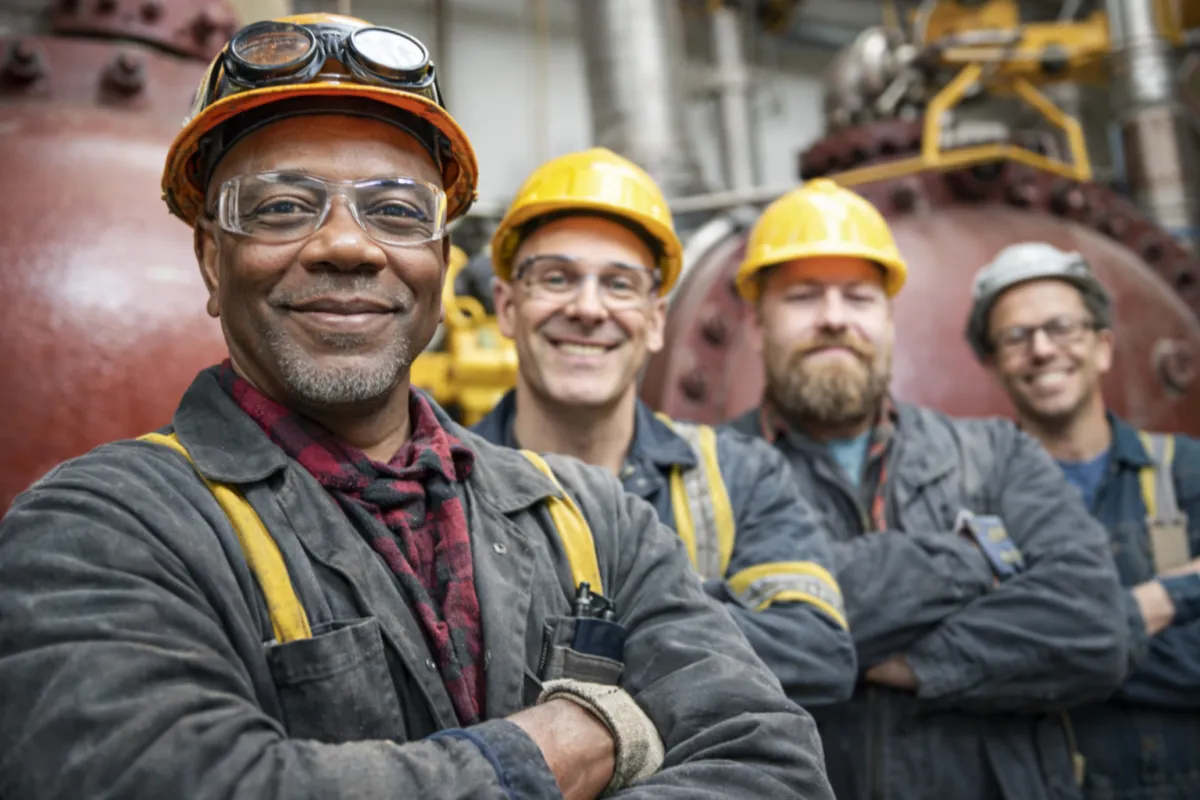
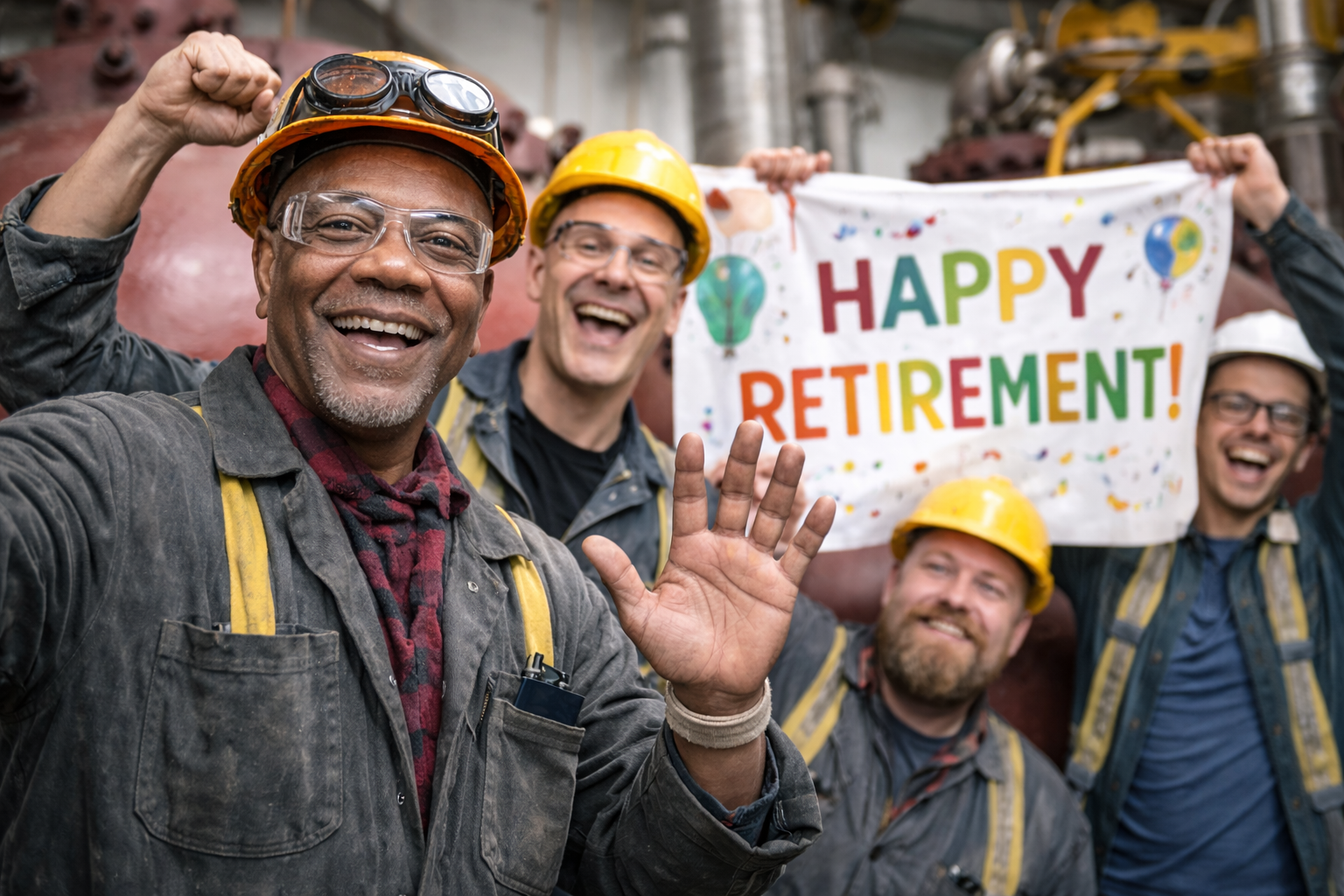
Across many industrialized regions, aging populations are reshaping the labor market. A large proportion of skilled shop floor workers are approaching retirement age. When they leave, they don’t just take a position with them, they take decades of practical knowledge.
This demographic shift means:
Without structured knowledge transfer, companies risk losing critical know-how permanently.
There is a visible and widening skill gap between generations.
Senior operators often possess:
Younger employees often bring:
But they may lack hands-on experience and confidence in complex production environments.
This gap creates friction, but it also creates opportunity. If knowledge can be captured, structured, and transferred intelligently, experience and digital competence can reinforce each other.
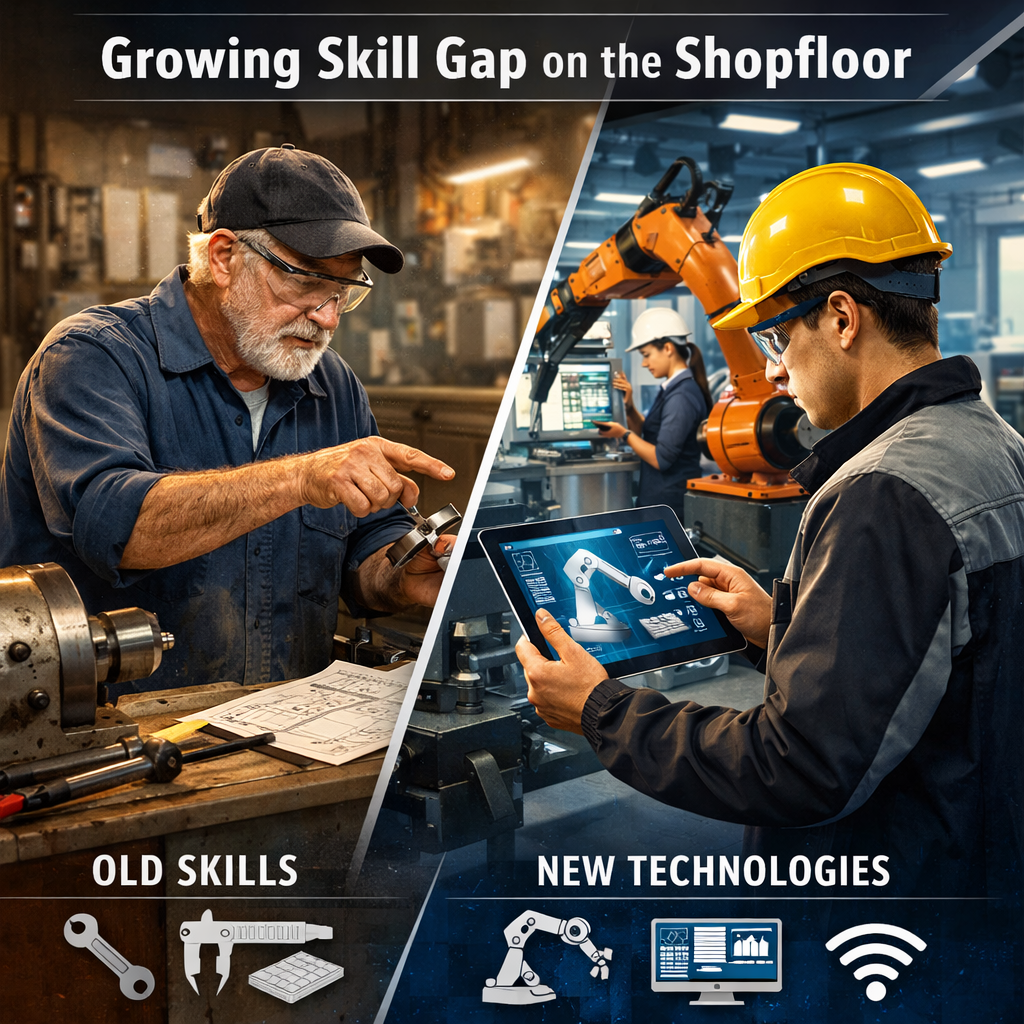
Manufacturing struggles with perception. Shift work, repetitive tasks, safety risks, and physically demanding roles make the industry less attractive to younger talent compared to tech or service sectors.
High turnover leads to:
If resilience means stability under pressure, then workforce instability is one of the biggest threats to manufacturing performance.
It is understandable why many companies respond by accelerating automation investments. Automated lines promise:
However, automation also introduces:
More importantly, automation does not eliminate the need for human expertise, it shifts it. Humans are still needed for oversight, quality control, improvement, and adaptation.
This is where Industry 5.0 reframes the discussion.
While Industry 4.0 focused on connectivity and automation, Industry 5.0 emphasizes human-centricity. It recognizes that the factory of the future is not just smart, it is collaborative.
Industry 5.0 aims to:
• Combine human creativity with machine precision
• Empower operators instead of replacing them
• Build adaptable and sustainable production systems
In this model, technology supports people, and people drive continuous improvement.
To better understand how this evolution is reshaping manufacturing, explore our detailed breakdown of the six core technologies behind Industry 5.0:
👉 https://ansomat.co/blog/what-is-industry-5-0-six-different-technologies-explained
The question is no longer: How do we remove humans from the process?
The question becomes: How do we enable humans to perform at their best?
Change is one of the hardest aspects of workforce transformation.
People resist change for understandable reasons:
Digital transformation in manufacturing often fails not because of poor technology, but because of poor change management. Successful change cannot be implemented through shortcuts. It requires trust, involvement, and transparency.
One of the most powerful examples of this philosophy is the Toyota Production System. Leaders spend time on the shop floor. They observe processes directly. They respect operator expertise. Improvement initiatives start bottom-up, not top-down.
This mindset is essential when implementing digital transformation initiatives like digital work instructions. Without operator involvement, even the most advanced tools become unused systems.
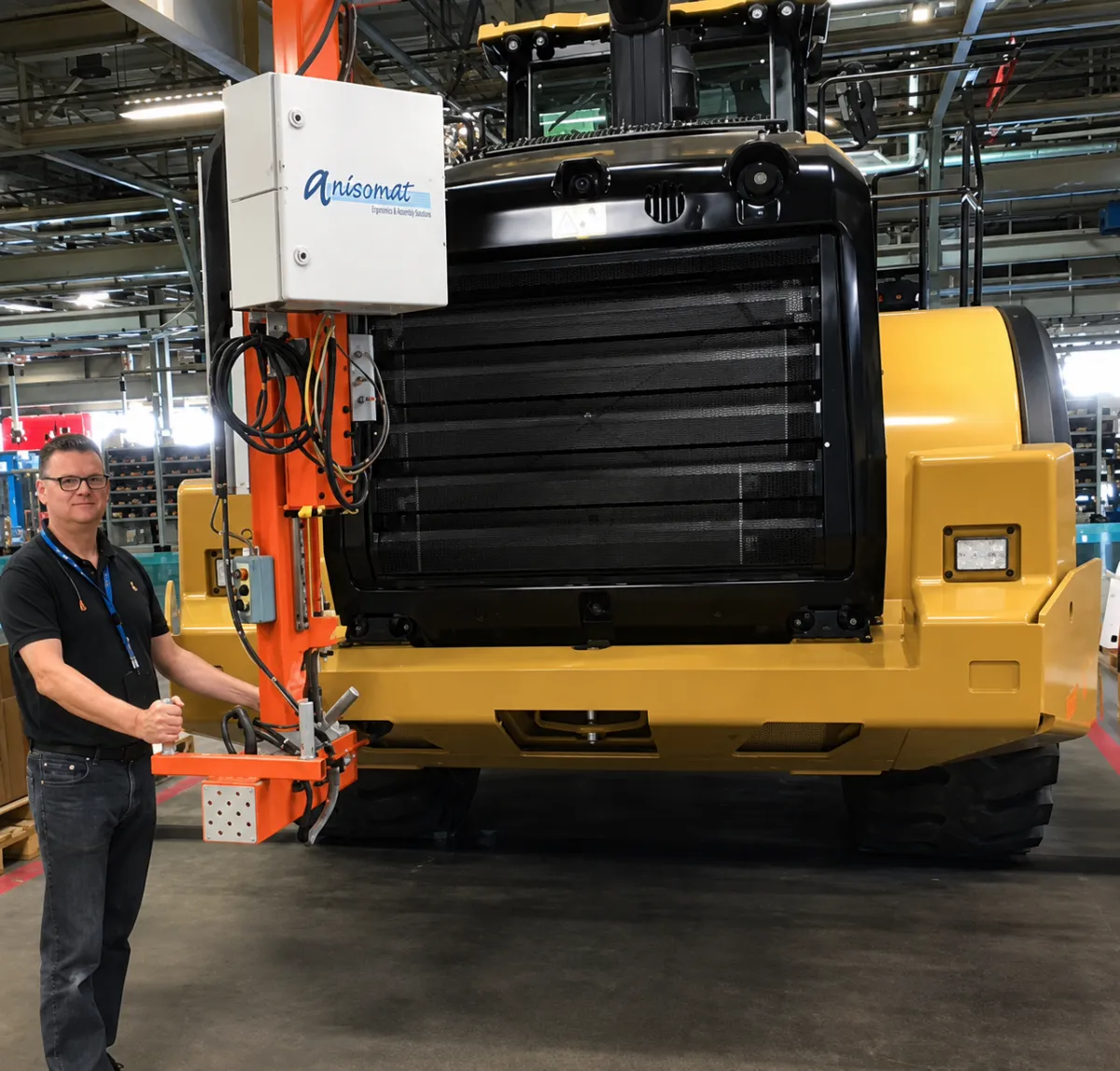
There is a powerful middle ground between paper-based processes and full automation: intelligent guidance systems powered by work instruction software.
Modern work instructions software replaces static binders with dynamic, interactive, and standardized process guidance directly at the workstation.
Instead of relying on memory or outdated documents, operators receive:
This approach significantly reduces:
Most importantly, it captures expertise before retirement removes it from the organization.
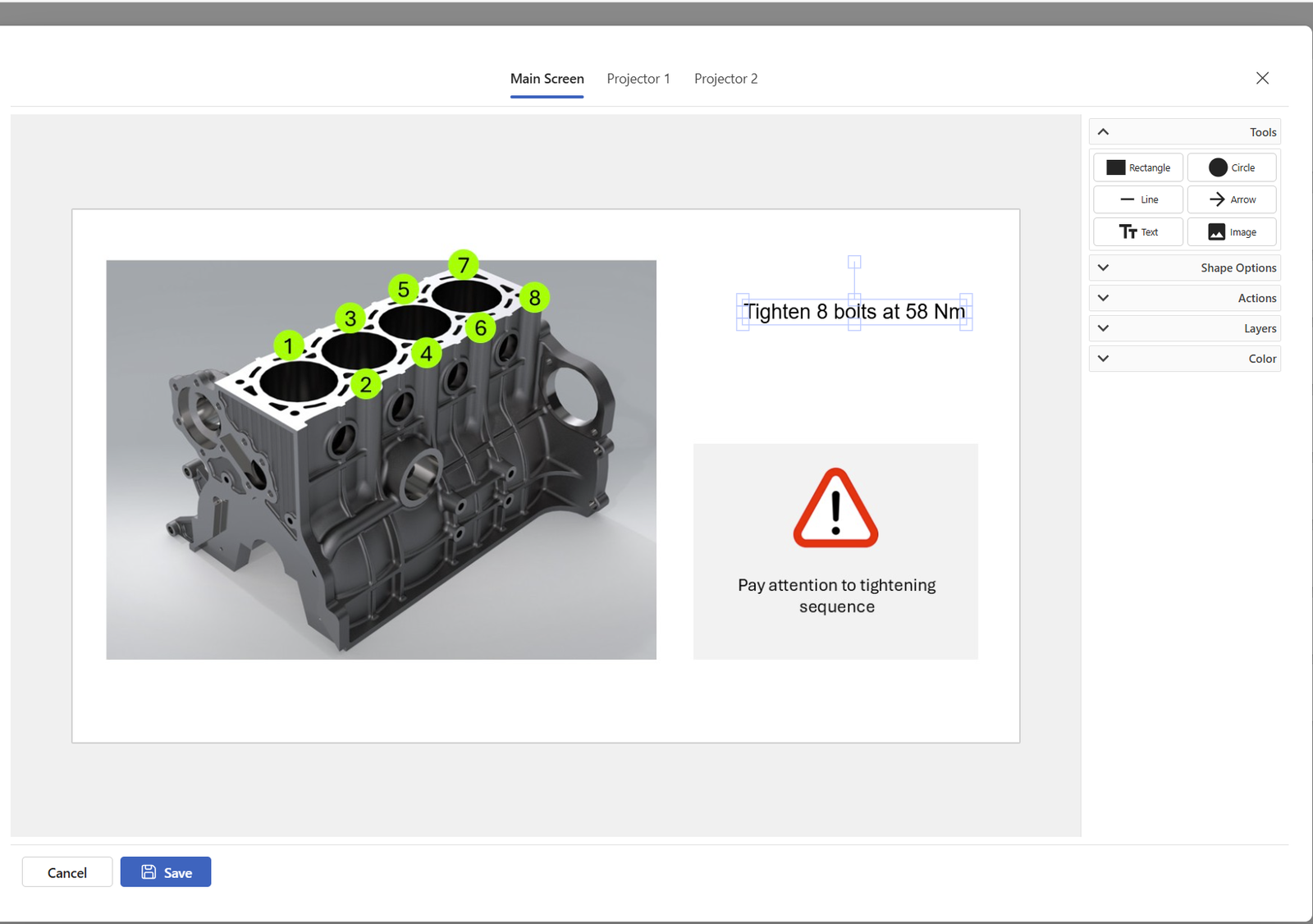
In many factories, critical process knowledge lives “in people’s heads.” When experienced workers leave, that knowledge disappears.
By implementing digital work instructions, companies can:
This is not about replacing expertise, it is about preserving and scaling it.
Workforce resilience also means adapting to different skill levels.
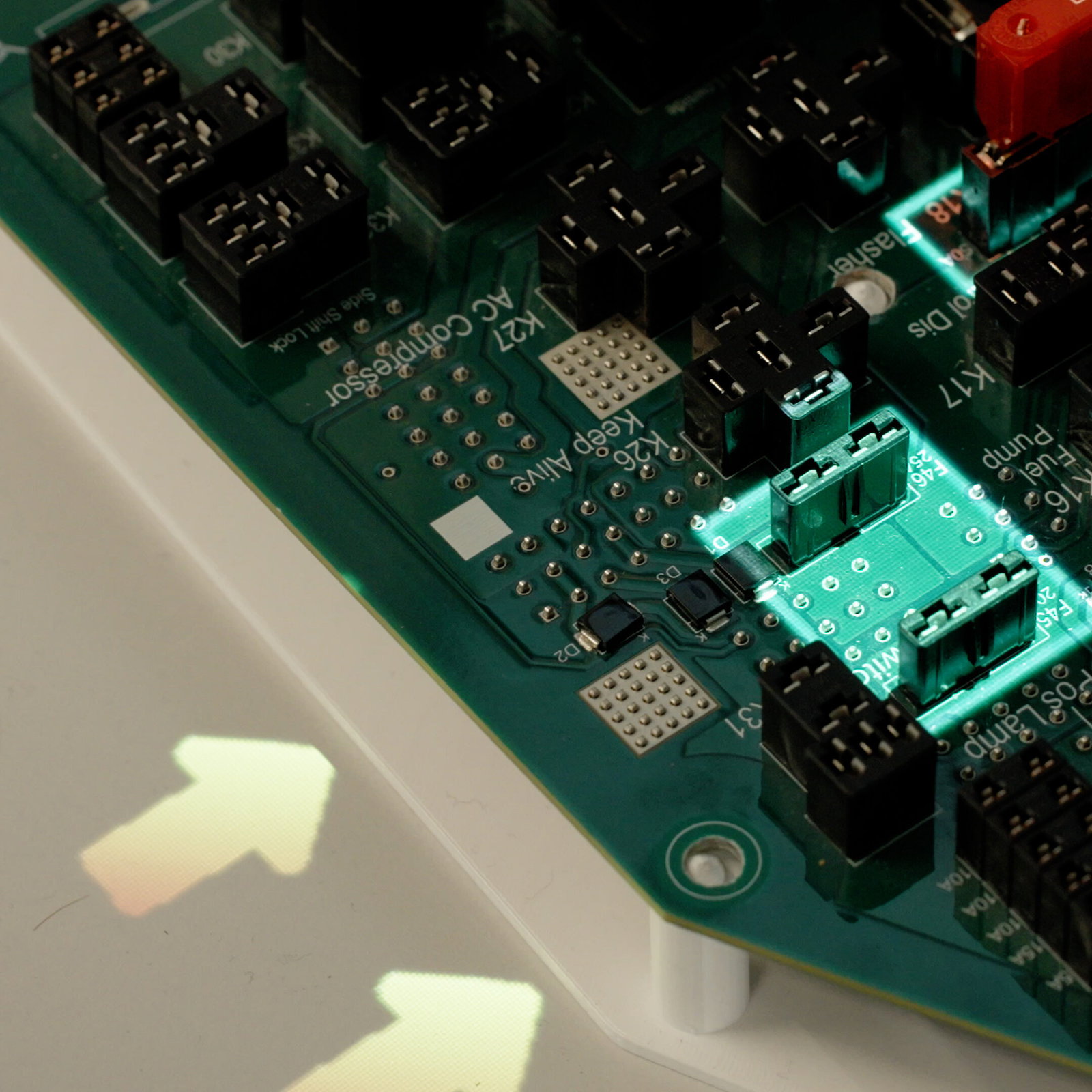
Advanced solutions integrate AR in manufacturing, enabling operators to see contextual guidance directly in their field of view. Instead of reading instructions, they interact with them.
AR-enhanced assembly work instructions can:
This makes digital systems not just documentation tools, but performance enablers.
Technology alone does not create resilience. Acceptance does.
To ensure successful implementation:
When employees understand that tools are designed to make their work easier, safer, and more efficient, resistance decreases and engagement increases.
A resilient workforce is not forced into digitalization. It co-creates it.
Resilience is not a one-time project. It is a strategic capability.
In today’s manufacturing environment — characterized by demographic shifts, increasing product complexity, and accelerated technological change, workforce resilience becomes a competitive differentiator.
A sustainable workforce strategy includes:
The future of manufacturing does not belong to fully automated dark factories.
It belongs to adaptable systems where humans and technology collaborate seamlessly.
The Future Is Human-Enabled, Digitally Supported
Manufacturers who invest only in automation may solve short-term variability.
Manufacturers who invest in people — supported by digital tools — build long-term resilience.
By leveraging:
Companies can close skill gaps, reduce turnover impact, retain knowledge, and create a more attractive and empowering work environment.
At Ansomat, we believe resilience is not about eliminating the human factor.
It is about strengthening it - with the right technology, the right mindset, and the right strategy.
Because in the end, the smartest factories are not fully autonomous.
They are powered by confident, capable, and digitally supported people.