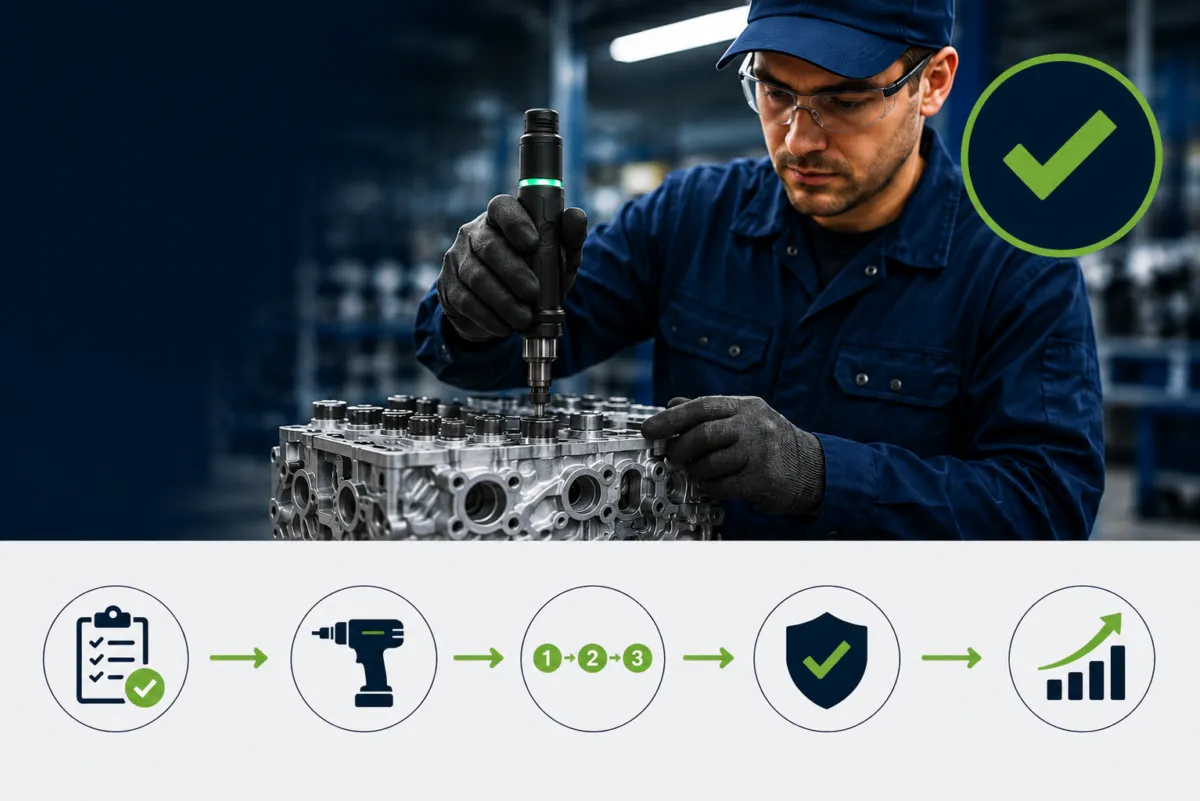
Thanks to a booming global economy, manufacturers face increasing pressure to produce more efficiently while maintaining high quality. Global competition, stricter regulations, and rising customer expectations are forcing companies to modernize their operations.
This is where MES comes in.
MES stands for Manufacturing Execution System.
An MES is software designed to monitor, track, document, and control manufacturing processes in real time, from the moment production starts until the finished product leaves the shop floor.
You can think of MES as the nervous system of the shop floor. It connects machines, operators, and business systems, ensuring that every production step is visible, traceable, and optimized.
A Manufacturing Execution System sits between planning and execution:
MES connects these two worlds. It translates high-level production plans into actionable instructions for operators and machines, while feeding real-time production data back into business systems. This two-way communication enables manufacturers to balance efficiency, flexibility, and quality.
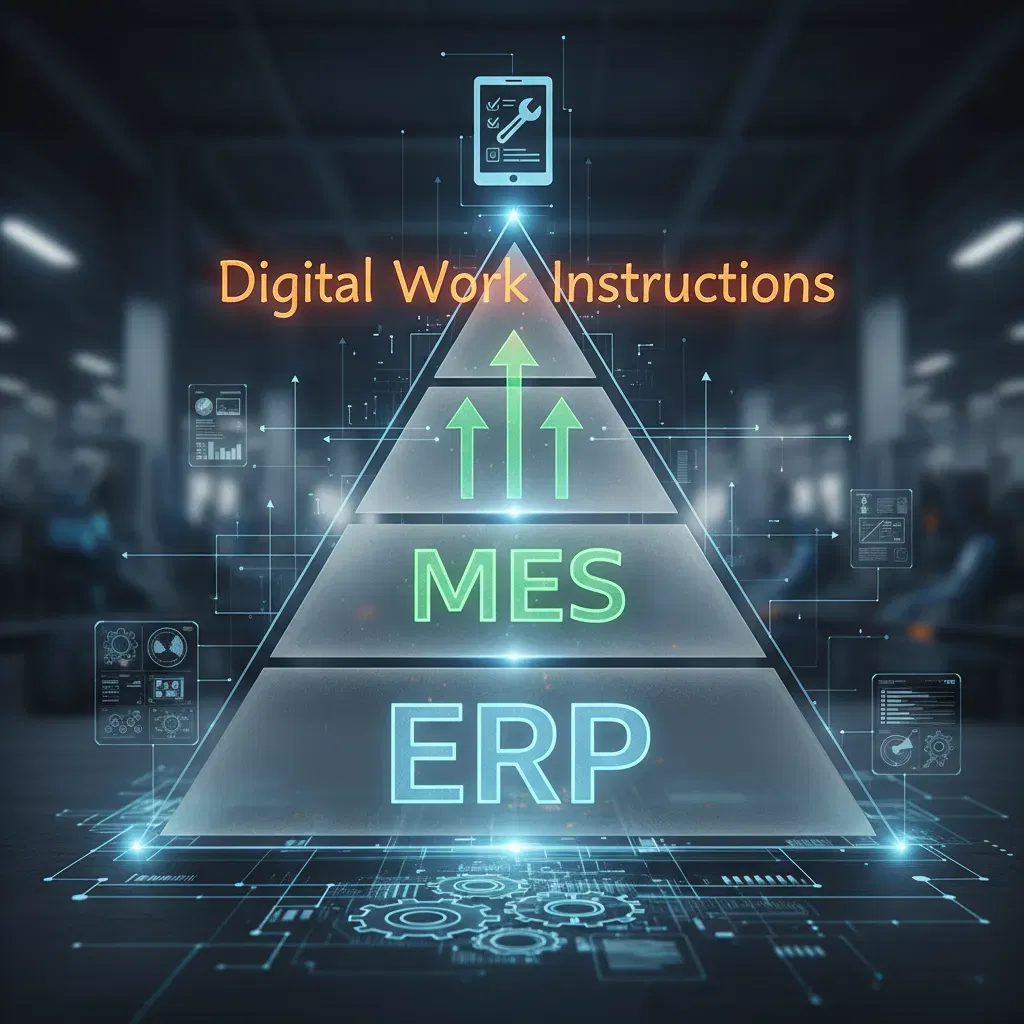
ERP, MES, and Digital Work Instruction platforms
What’s the difference and where do the synergies lie?
In modern manufacturing, ERP, MES, and Digital Work Instruction platforms are often mentioned together and sometimes confused with one another. While they may overlap slightly, each serves a distinct role.
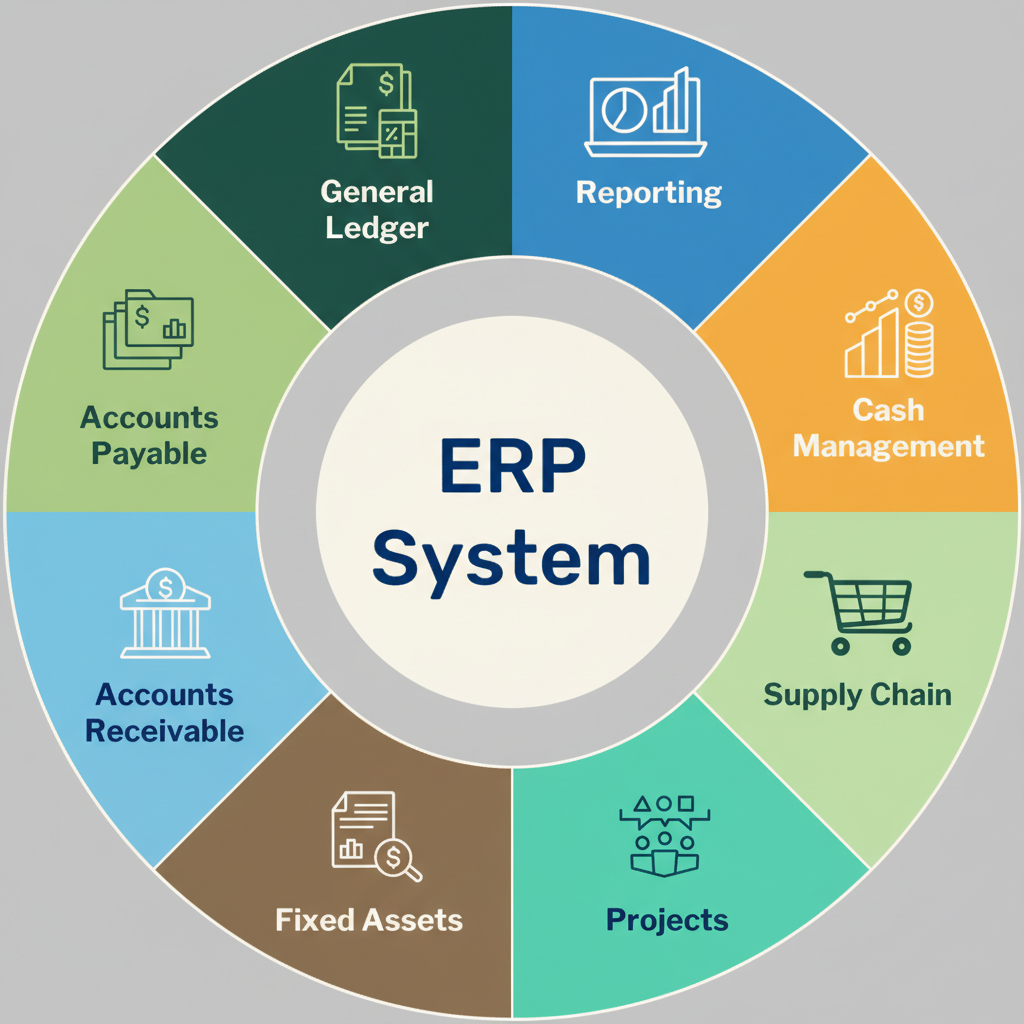
An Enterprise Resource Planning (ERP) system is the backbone of the enterprise. It focuses on planning, coordination, and administrative control across the organization.
Typical ERP responsibilities include:
Well-known ERP solutions include SAP, Oracle, and Microsoft Dynamics.
👉 Key takeaway: ERP defines what needs to be produced, how much, and by when but not how the work is executed on the shop floor.
A Manufacturing Execution System (MES) operates between ERP and the shop floor, focusing on real-time production execution and visibility.
Typical MES responsibilities:
If ERP is the planner, MES is the conductor ensuring production runs according to plan while responding to real-world conditions.
👉 Key takeaway: MES answers the question: “What is happening right now on the shop floor?”
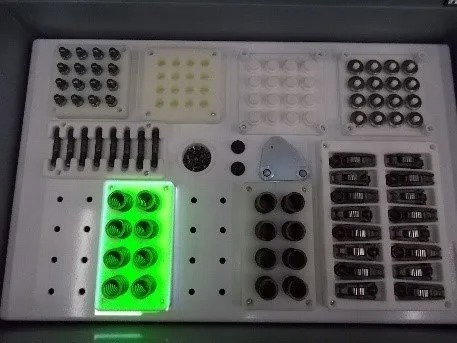
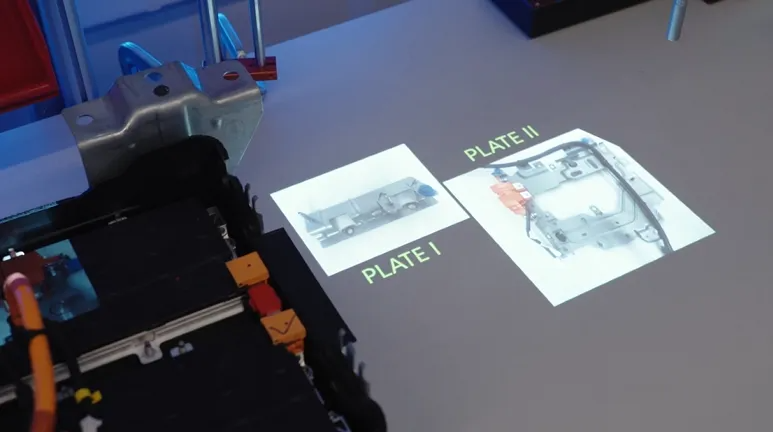
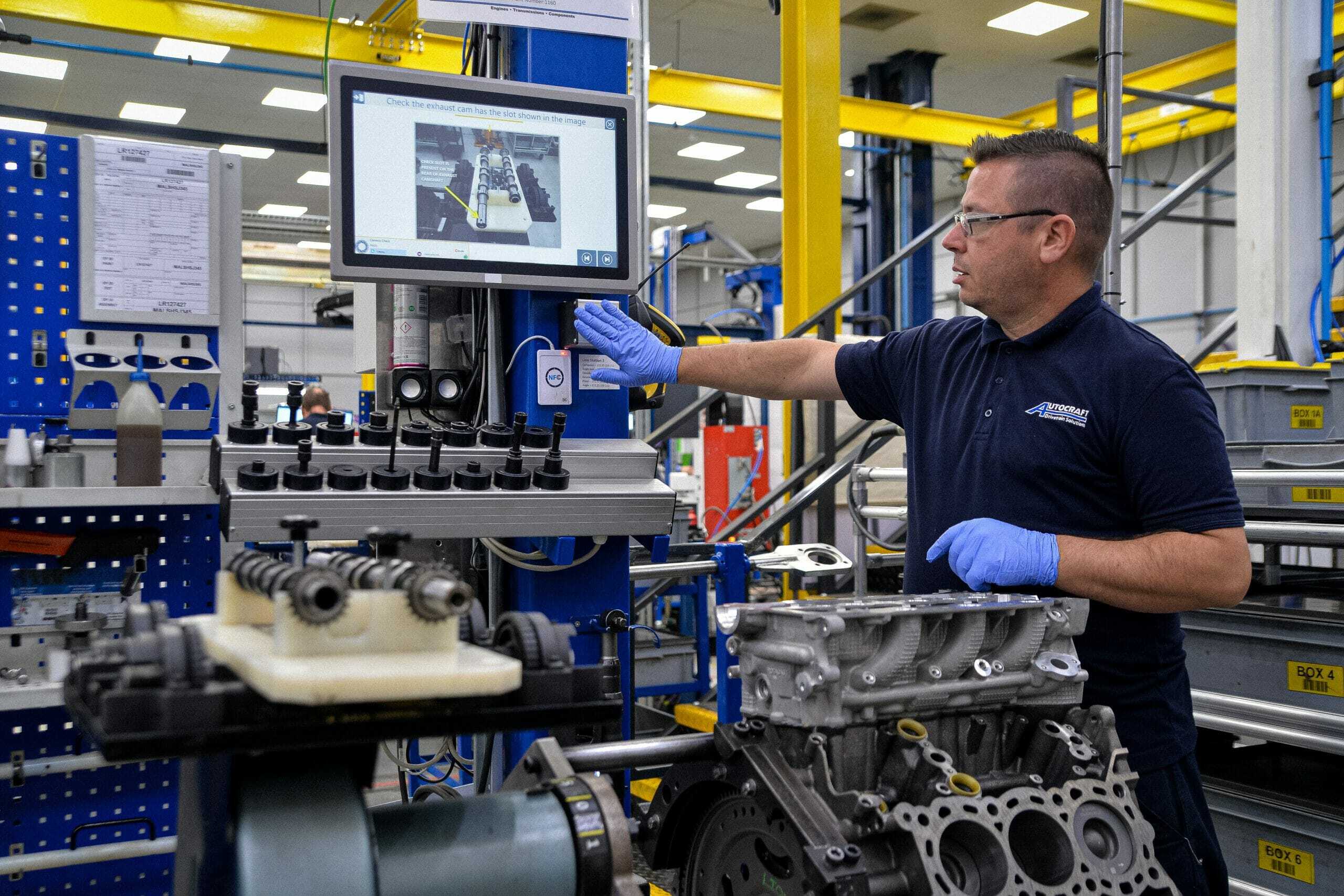
Digital Work Instruction (DWI) platforms guide operators through tasks in a clear, standardized, and often visual way.
Typical DWI capabilities:
These platforms live closest to the operator and ensure work is done correctly, consistently, and safely.
👉 Key takeaway: Digital work instructions answer: “How should this task be performed right now, for this specific product?”
| System | Primary Focus | Key Question Answered |
| ERP | Business planning & administration | What should we produce, and when? |
| MES | Production execution & visibility | What is happening on the shop floor? |
| Digital Work Instructions | Operator guidance & standard work | How should the task be performed? |
These systems are not competitors they operate at different layers of the manufacturing stack.
The real power emerges when these systems are connected instead of isolated.
ERP ↔ MES
MES ↔ Digital Work Instructions
ERP ↔ Digital Work Instructions (indirect)
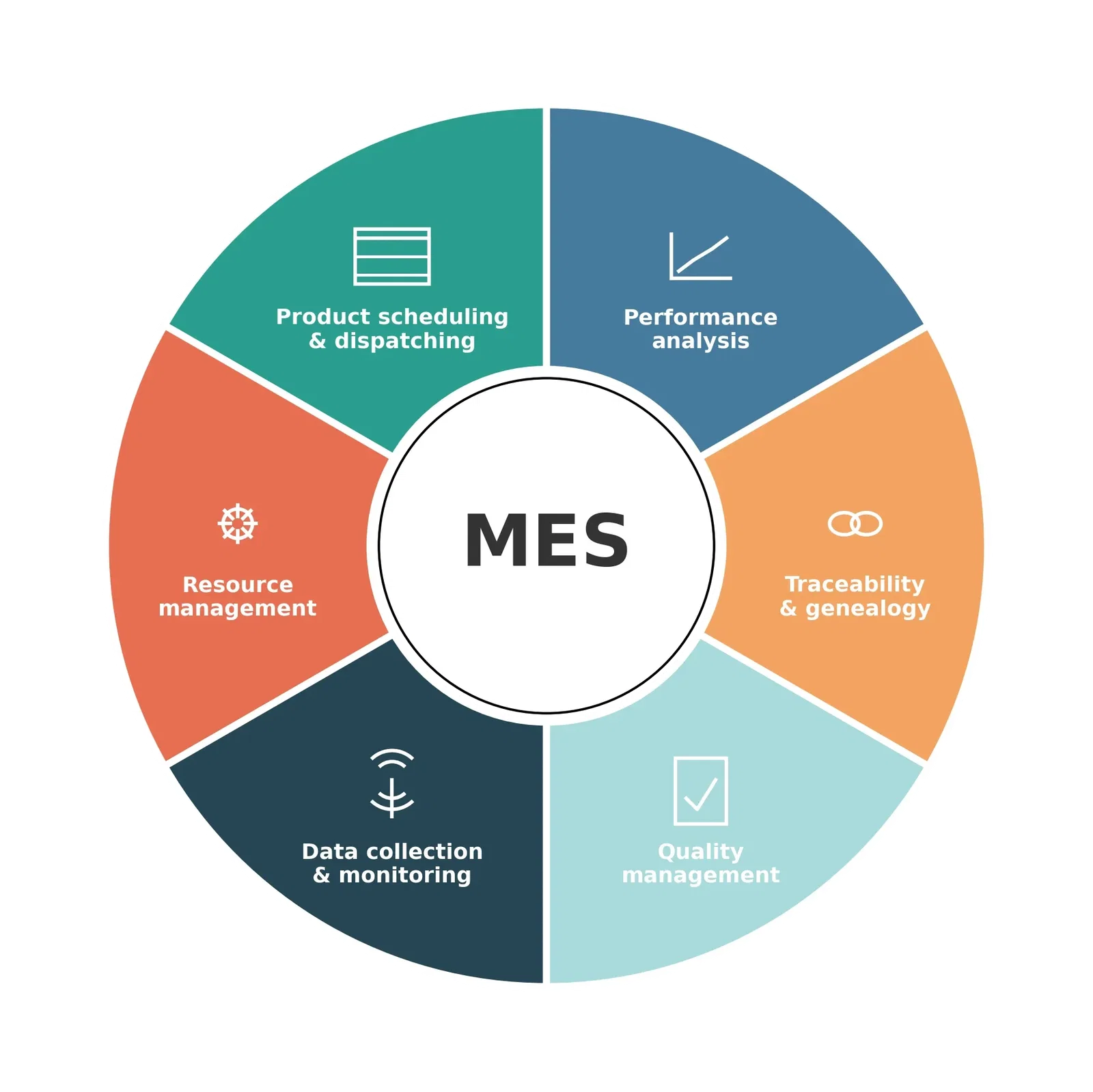
Most MES platforms share six essential capabilities:
Implementing MES impacts almost every aspect of production:
In short, MES helps manufacturers deliver faster, cheaper, and with fewer defects especially when combined with digital work instructions.
Industry 5.0 represents the transformation of manufacturing through automation, connectivity, and data. Within this framework, MES acts as the backbone of digital manufacturing.
Key enablers include:
The ISA-95 standard, published by the International Society of Automation, formally positions MES as the link between enterprise systems and shop floor control.
Across industries, MES delivers the same core value: control, visibility, and efficiency.
While powerful, MES implementation comes with challenges:
When implemented strategically, however, the long-term benefits outweigh the initial hurdles.
MES continues to evolve:
MES is no longer just an execution system it is becoming an intelligent decision-support layer.
So, what does MES stand for?
Manufacturing Execution System a critical software layer that bridges planning and execution in manufacturing environments.
Together:
When connected, these platforms form the foundation for smart factories and Industry 5.0 and a future-ready manufacturing operation.