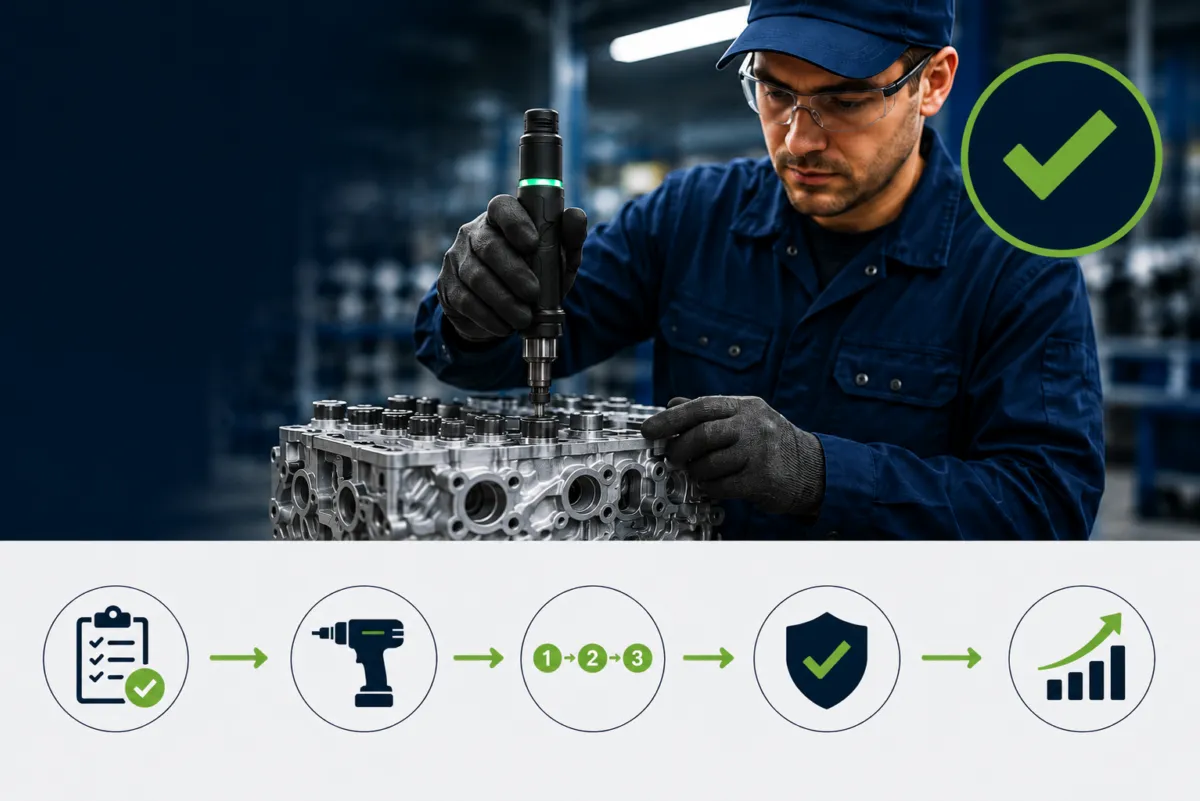
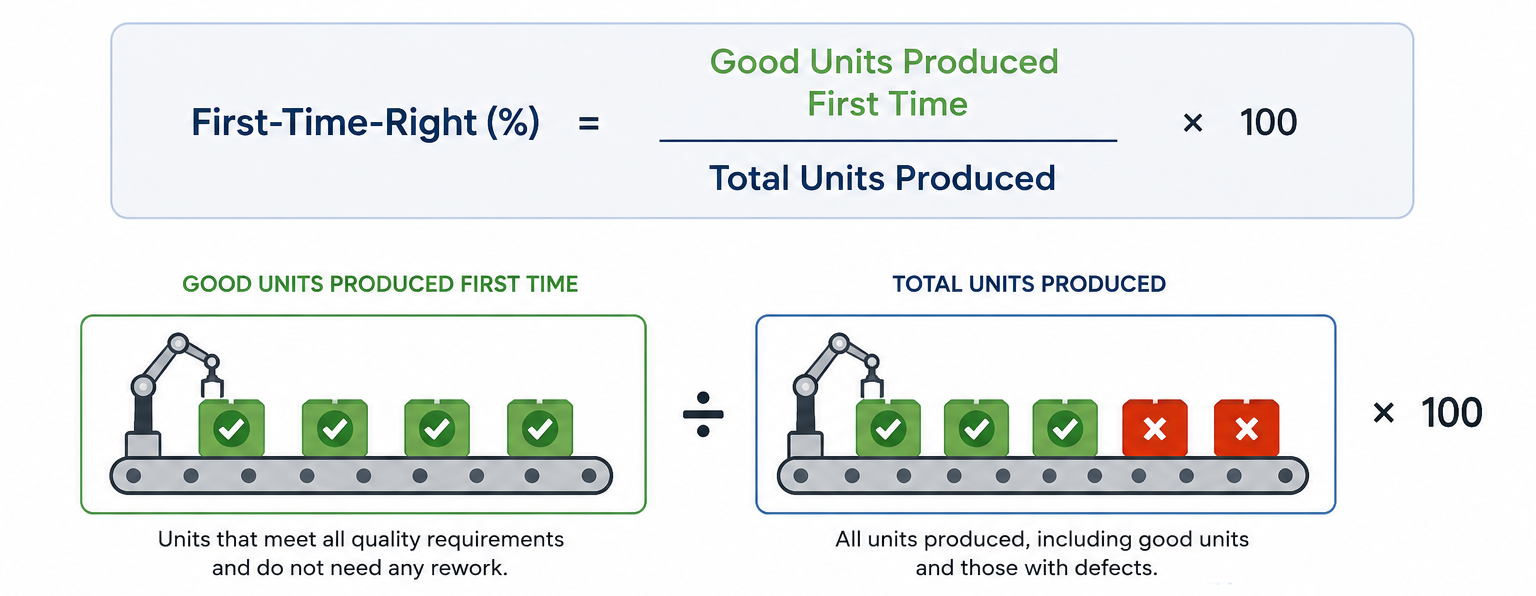
First-Time-Right (FTR) measures the share of units that meet the defined quality requirements on their first pass, without rework or repair. It helps manufacturers see how reliably a process produces a conforming product.
Use FTR alongside throughput, cycle time and cost of quality. High output can hide repeated checks, repairs and extra handling; first-pass quality makes that corrective work visible.
For manual assembly, the practical question is where operators need clearer instructions, process checks or feedback to get each operation right first time.
Define the process being measured and use the same quality requirements and time period for the numerator and denominator.
First-Time-Right (%) = (Units passing first time ÷ Total units processed) × 100
For example, suppose a process completes 1,000 units:
If all 50 units are later repaired successfully, final yield can reach 100%, while the original first-pass result remains 95%. Keep those measures separate so that rework does not disappear from the quality picture.
Record step retries, additional assistance and defect categories alongside FTR to understand where corrective work occurs.
Many manufacturers underestimate the true cost of quality issues.
When an operator makes an error during assembly, the impact extends far beyond the immediate defect:
Studies consistently show that preventing defects is significantly cheaper than correcting them later in the production process.
This is why leading manufacturers focus on preventing errors at the source rather than detecting them at the end.
From Quality Control to Quality Prevention
Traditional quality systems often rely on inspections to catch mistakes after they occur.
The problem?
Inspection does not prevent defects. It only identifies them.
Modern manufacturers are shifting toward a preventive approach where operators are guided through the process and mistakes are eliminated before they can occur. This philosophy is known as No-Fault-Forward Production.
No-Fault-Forward Production ensures that a product cannot move to the next manufacturing step unless the current operation has been completed correctly.
Instead of discovering problems later in the process, errors are prevented in real time.
Examples include:
The objective is simple:
Stop defects at the source before they can travel downstream.
First-Time-Right is the outcome.
No-Fault-Forward is the method.
Organizations that achieve world-class FTR performance typically implement systems that actively prevent human error rather than relying on operator memory or final inspections.
This is especially important in industries facing:
As manufacturing becomes more complex, process control becomes increasingly dependent on technology-enabled operator support. (LinkedIn)
Many manufacturing environments still depend on paper work instructions, tribal knowledge, and operator experience to maintain quality standards. While experienced operators often compensate for process complexity, this approach creates variation, increases training requirements, and leaves room for human error.
Operator Guidance systems address these challenges by providing digital support throughout the manufacturing process. Rather than relying on memory or post-process inspections, operators receive real-time guidance and validation that helps ensure every task is performed correctly the first time.
Four capabilities are particularly important for improving First-Time-Right performance:
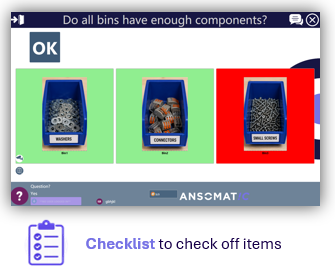
1. Digital Work Instructions
Traditional paper-based instructions can quickly become outdated, difficult to interpret, or disconnected from specific product variants. Digital work instructions provide operators with clear, visual, and contextual guidance tailored to the exact product being assembled.
By standardizing how work is performed, manufacturers reduce process variation and ensure that every operator follows the same best-practice procedure. This consistency is a critical foundation for improving First-Time-Right rates.
2. Tool Integration
Many assembly operations depend on critical process parameters such as torque values, tightening sequences, pressure settings, or measurement tolerances. When these parameters are manually recorded or verified, the risk of mistakes increases.
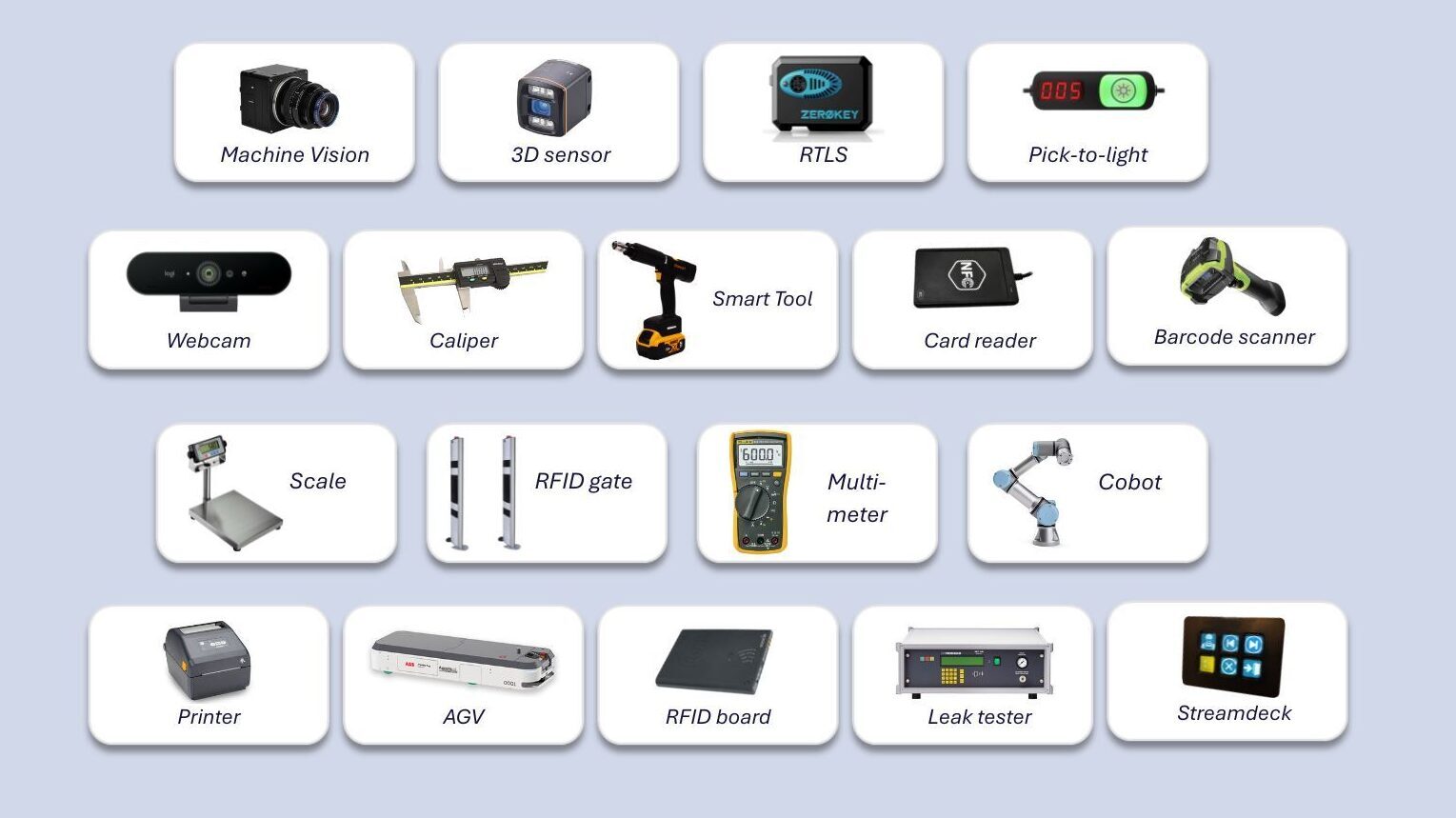
By integrating fastening tools, machine vision, 3D sensors, barcode scanners, PLCs, and other connected devices directly into the production process, manufacturers can automatically validate process parameters and capture results in real time. This eliminates manual data entry, reduces the risk of human error, and ensures that quality requirements are consistently met.
3. Real-Time Validation
One of the biggest causes of defects is allowing mistakes to move unnoticed through the production process. Real-Time Validation prevents this by continuously checking whether each operation has been completed correctly before the next step can begin.
This approach forms the foundation of No-Fault-Forward Production. Operators receive immediate feedback when a deviation occurs, enabling corrective action at the source rather than discovering problems later through inspection, rework, or customer complaints.
4. Full Traceability: Measuring the True First-Time-Right
Full traceability extends beyond recording who built a product and when. Every operator action, tool interaction, process parameter, validation result, and quality check is captured throughout the manufacturing process.
This level of visibility allows manufacturers to measure what could be called the true First-Time-Right. Traditionally, FTR is measured at the finished product level: did the product pass inspection without requiring rework? However, this approach can hide process inefficiencies that occurred during assembly.
For example, a product may leave the line defect-free, yet operators may have repeated process steps, requested assistance from a supervisor, corrected assembly errors, or deviated from the standard workflow before reaching the final result.
With full traceability, these hidden events become visible. Manufacturers gain insight not only into product quality but also into process quality—understanding whether each operation was executed correctly the first time, without intervention, correction, or deviation.
This deeper level of analysis supports continuous improvement, accelerates workforce development, reduces dependency on tribal knowledge, and provides a stronger foundation for operational excellence.
Together, these capabilities transform quality from a reactive inspection activity into a proactive process control strategy. The result is higher First-Time-Right performance, lower operational costs, and a more resilient manufacturing operation.
FTR is an outcome measure. Pair it with defect categories, rework time and process-step records to identify where error prevention will have the greatest practical value.
Technology supports this work, alongside operator training, standardized processes and a clear response when a check fails.
No. First-Time-Right counts units that meet the requirements on their first pass. Final yield can include units that became acceptable after rework or repair.
No. Digital instructions help standardize the work, while connected tools and sensors can validate selected process checks when configured for the application. Results depend on the process design, integrations, validation and training.
Start with one representative instruction or assembly process. Review how instructions are created, how operators follow the steps and what information needs to be recorded. Discuss physical tool or sensor integration with the Ansomat team as part of an application-specific demo.
Explore how digital work instructions could support your process with a free Ansomat software trial. Create an account in the app; our team approves access before you can begin.
For connected tools, sensors or application-specific validation, book a demo with the Ansomat team.