See how Ansomat transformed a paper-based aerospace MRO process into a connected digital workflow with Digital Work Instructions, connected digital torque wrenches, automated torque validation and full process traceability.
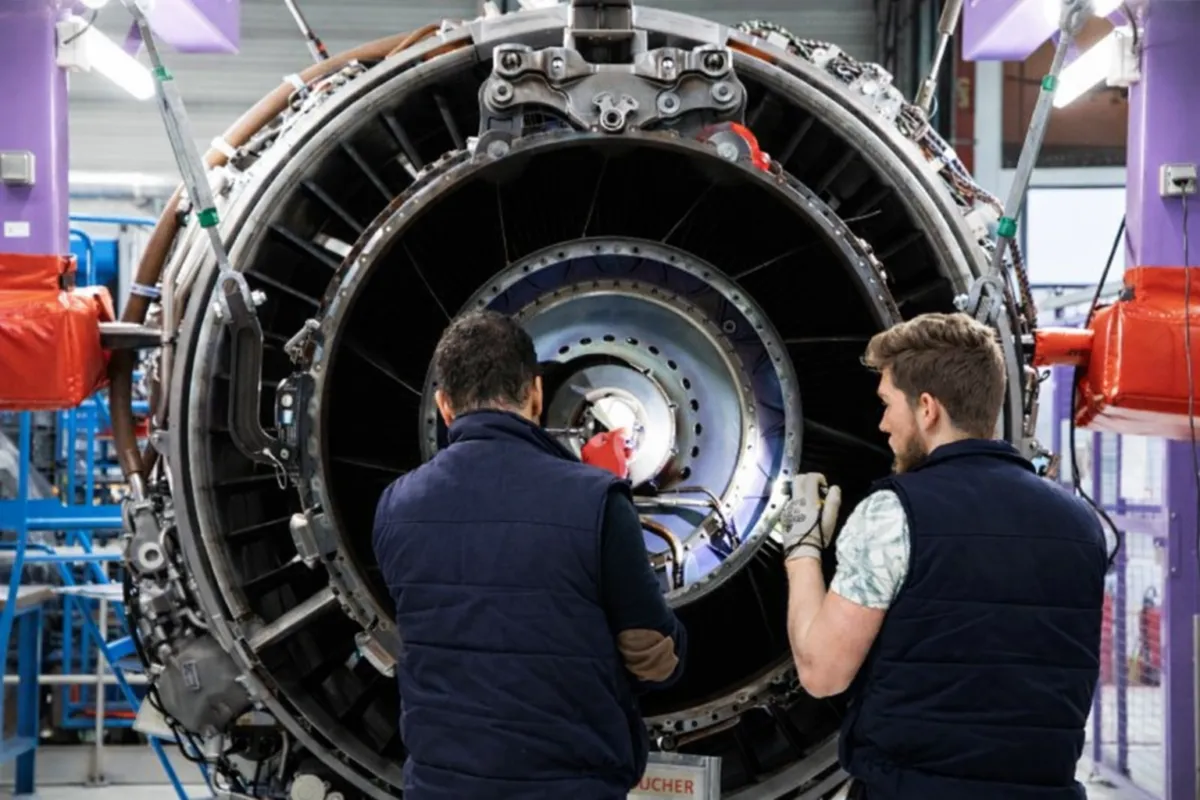
In aerospace Maintenance, Repair and Overhaul (MRO), every step matters. Technicians must follow the correct repair procedure, use the right tools and parameters, complete required quality checks and document critical process data.
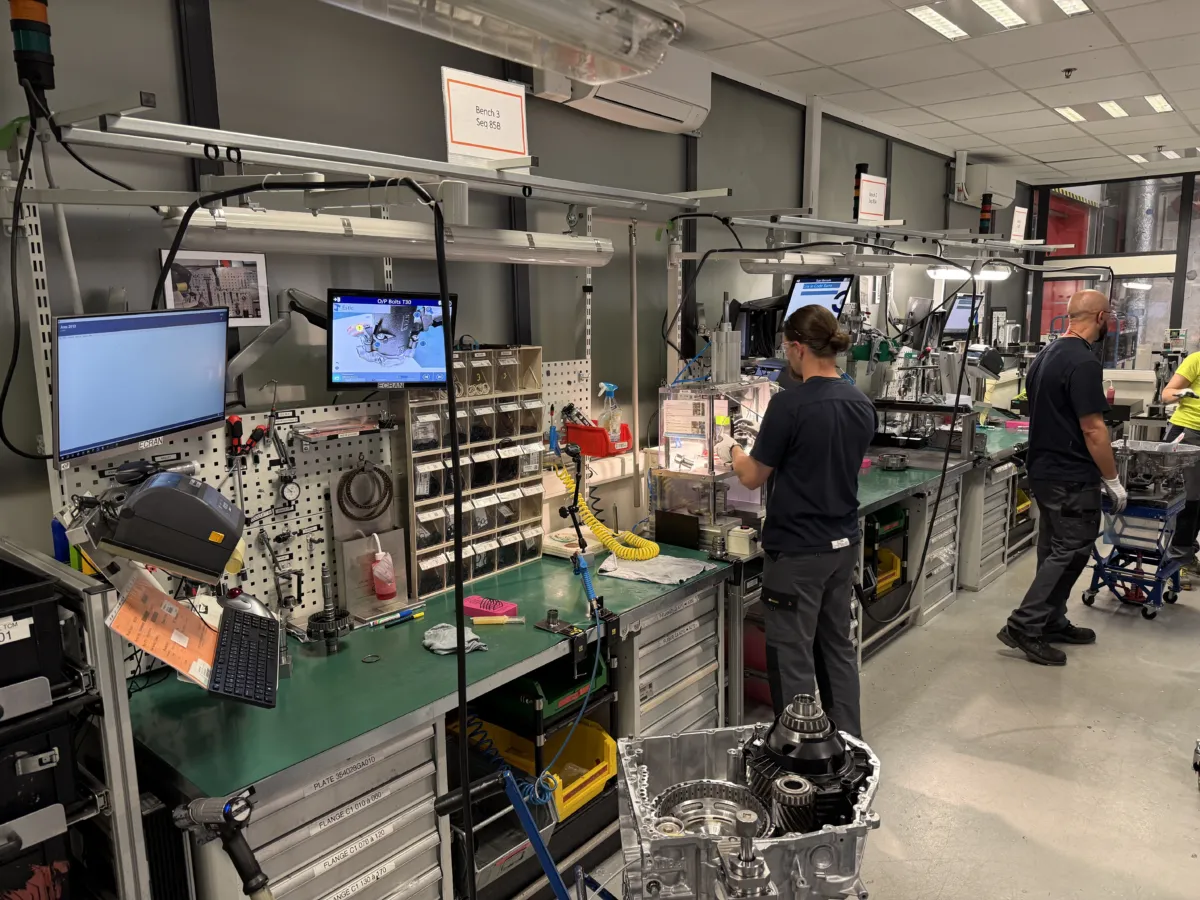
In the original aero booster repair process, technicians relied on paper instructions, manual checks and separate documentation. This made it harder to control the process and created fragmented quality records.
Torque-controlled operations added another critical requirement: before certain repair steps could begin, technicians needed to verify that the torque wrench was performing within specification and document the result.
The goal was therefore not simply to replace paper with a screen. It was to create one digital process that could:
Ansomat brought operator guidance, connected tools, quality control and traceability together in one digital workflow.
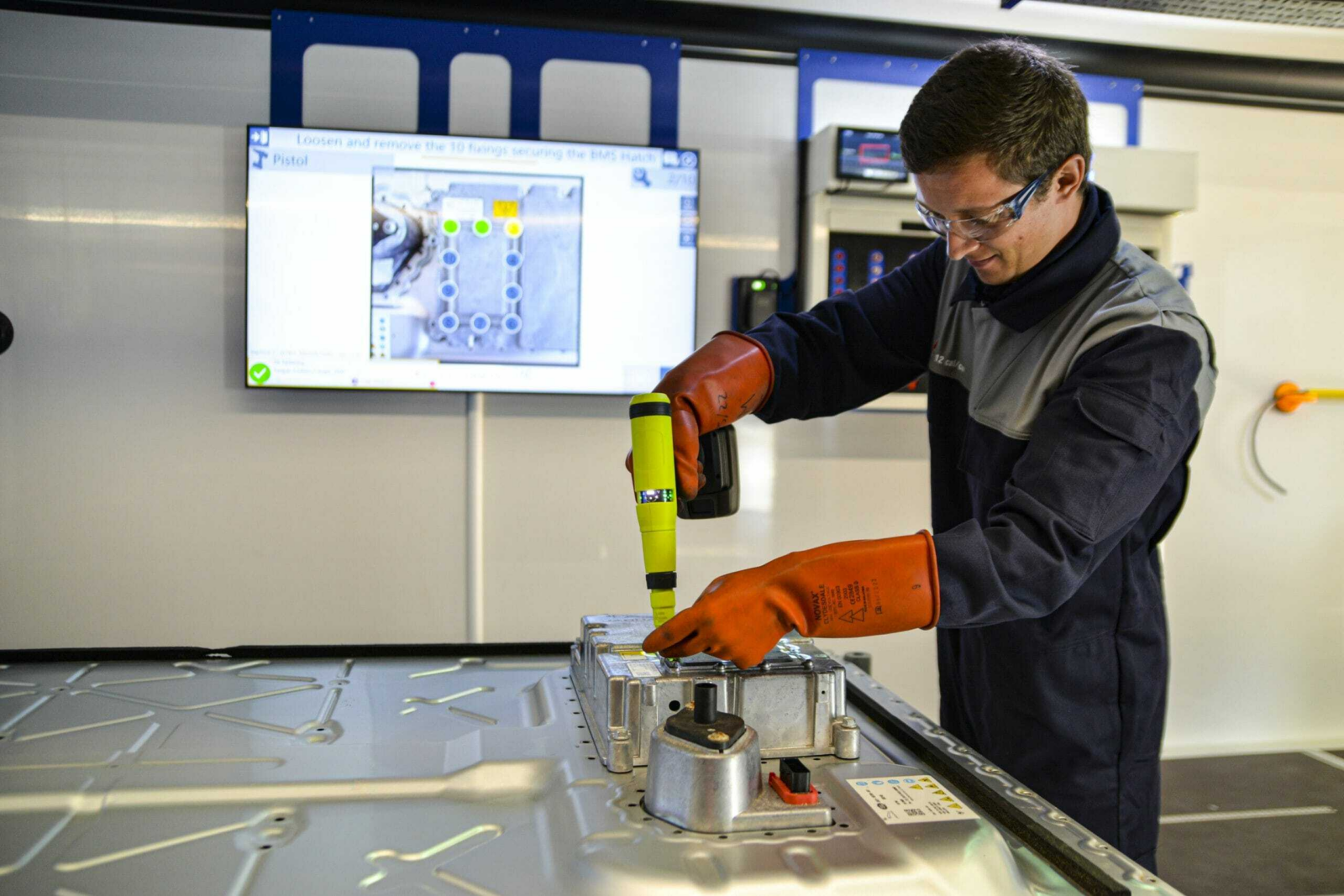
Digital Work Instructions guide technicians step by step through the repair, presenting the required instructions, images, process parameters and quality checks at the right moment.
Connected tools & devices interact directly with the workflow. This allows process conditions to be checked automatically and results to be captured as the repair is performed.
Instead of simply digitalizing the instructions, the workflow helps control the repair process itself.

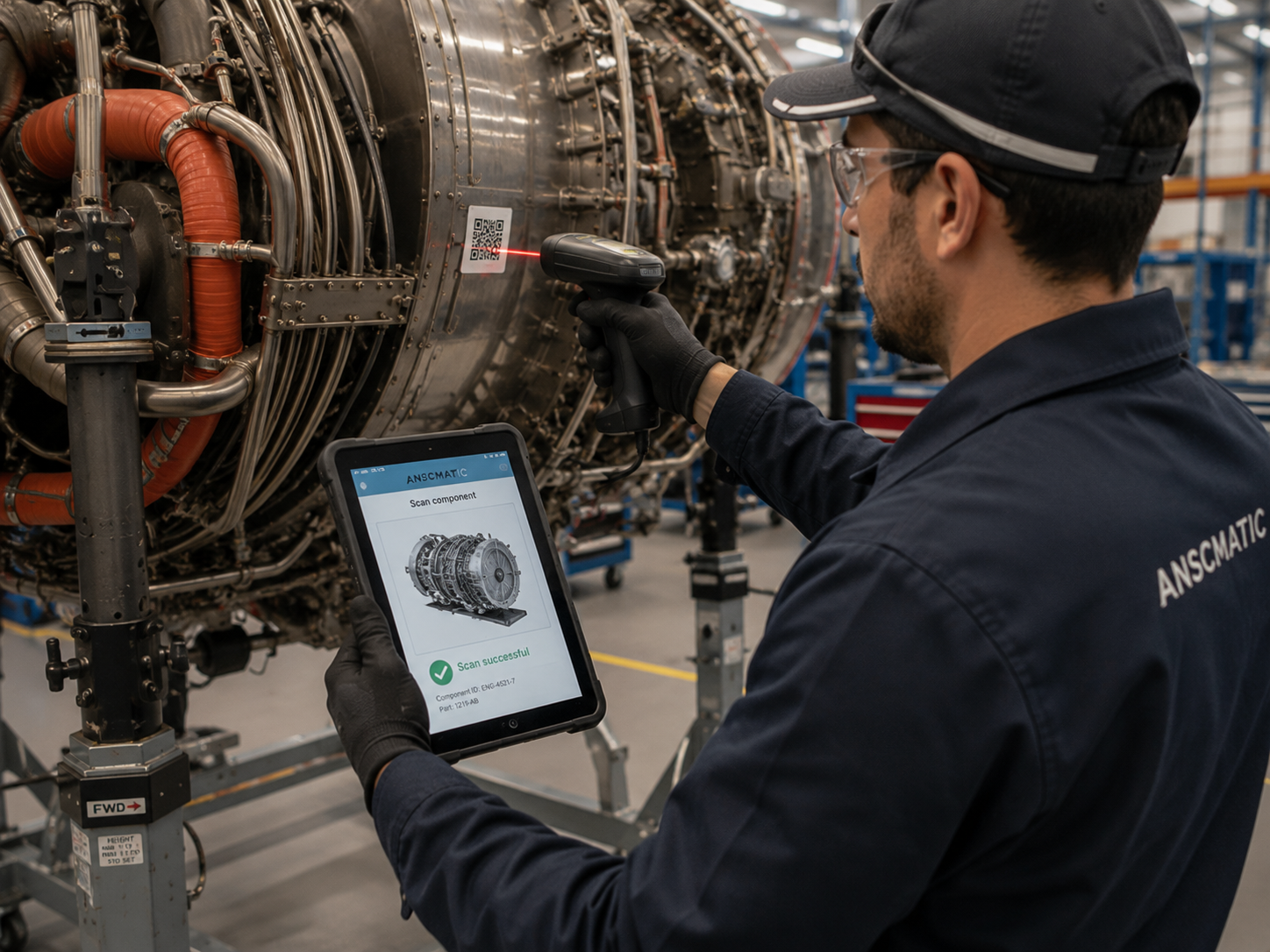
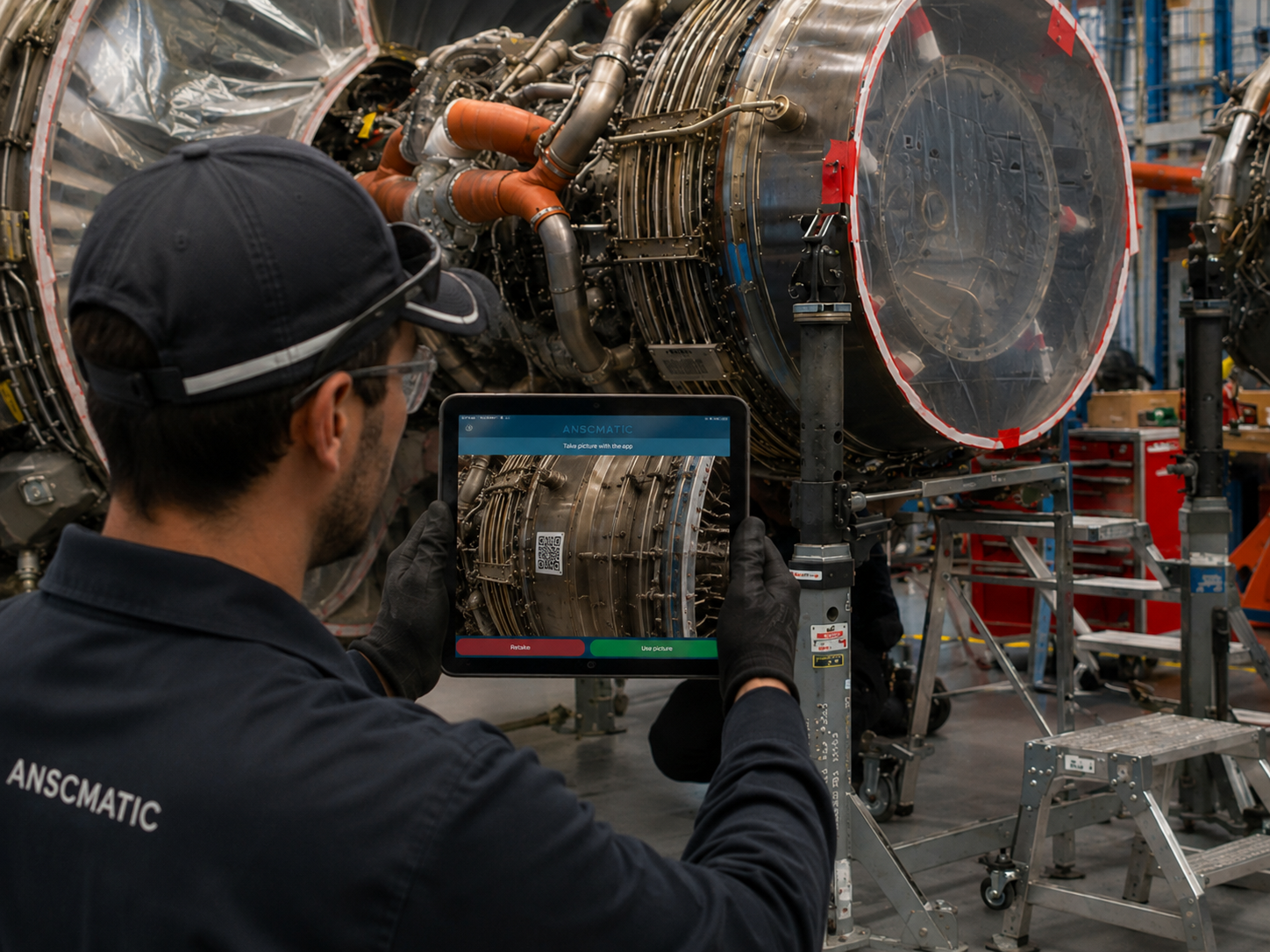
The process starts by scanning the QR code associated with the component.
Ansomat identifies the component and automatically loads the correct digital repair workflow. The technician no longer needs to search through paper documentation or manually select the correct procedure.
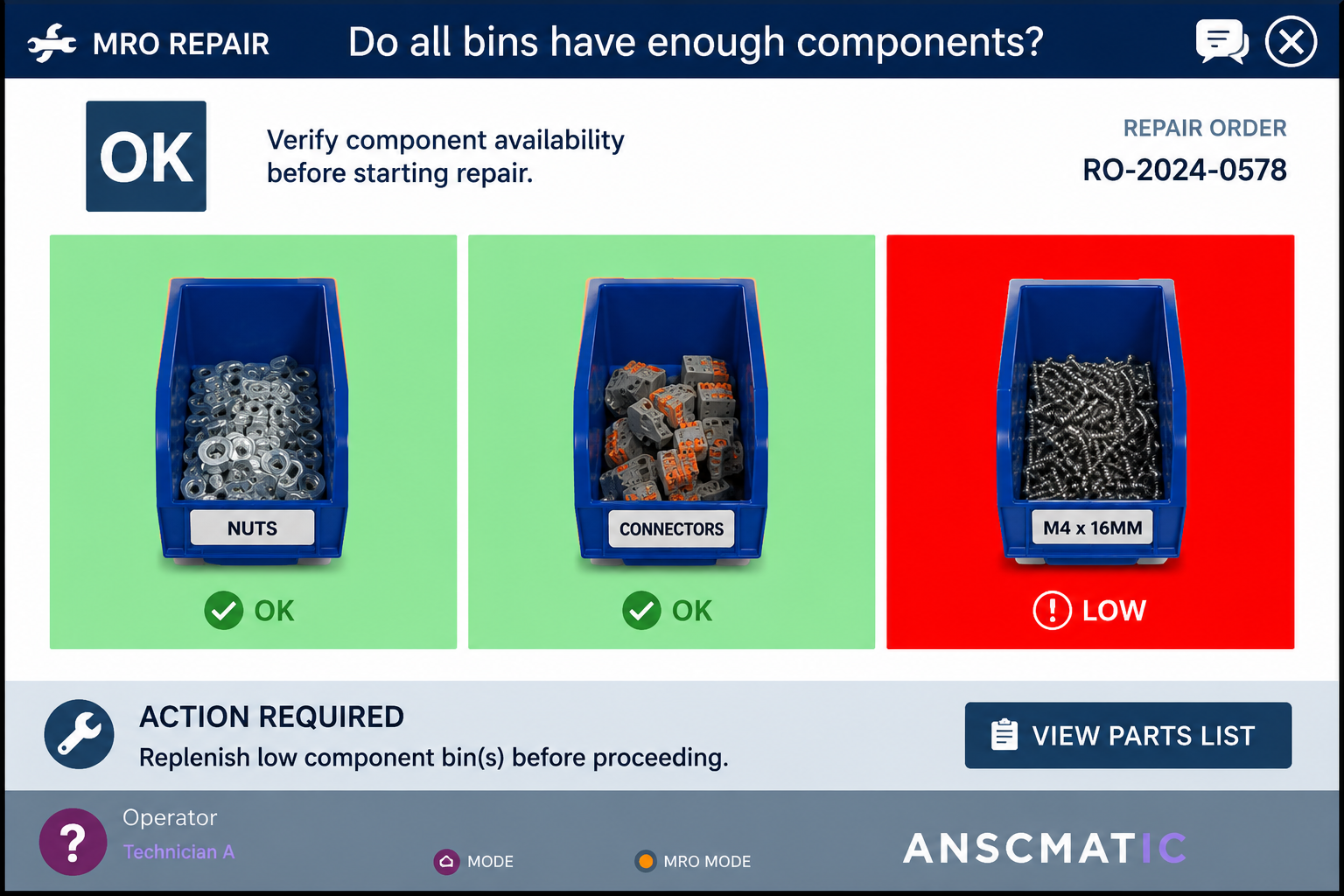
Digital Work Instructions guide the technician through each stage of the repair.
Instructions, images, process parameters and quality checks are shown when they are needed, helping technicians follow complex procedures consistently.
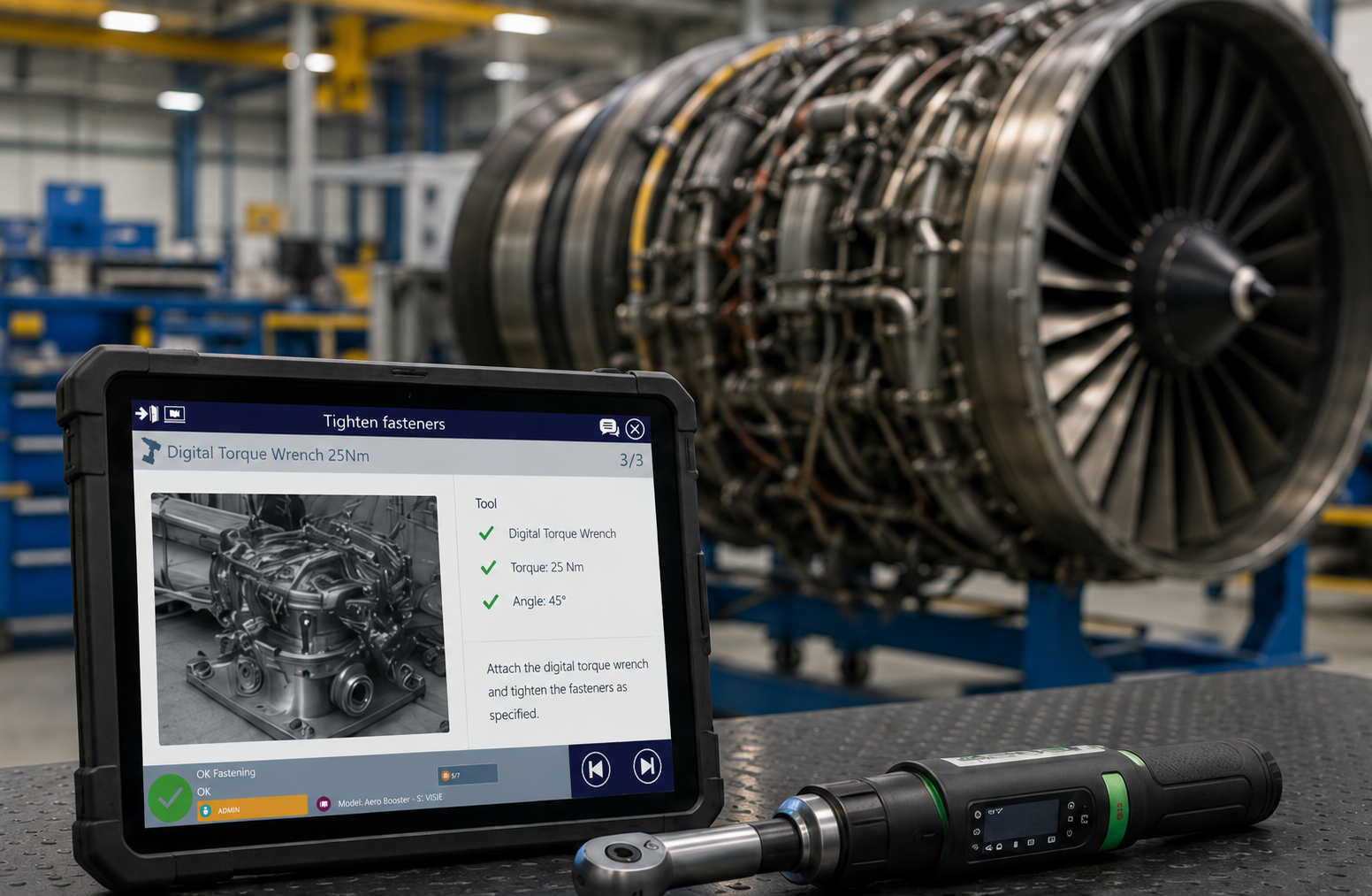
Torque-controlled operations are integrated directly into the workflow.
Connected digital torque wrenches receive the required parameters and send torque and angle results back to the system automatically.
This means tightening and documentation become part of the same process instead of two separate tasks.
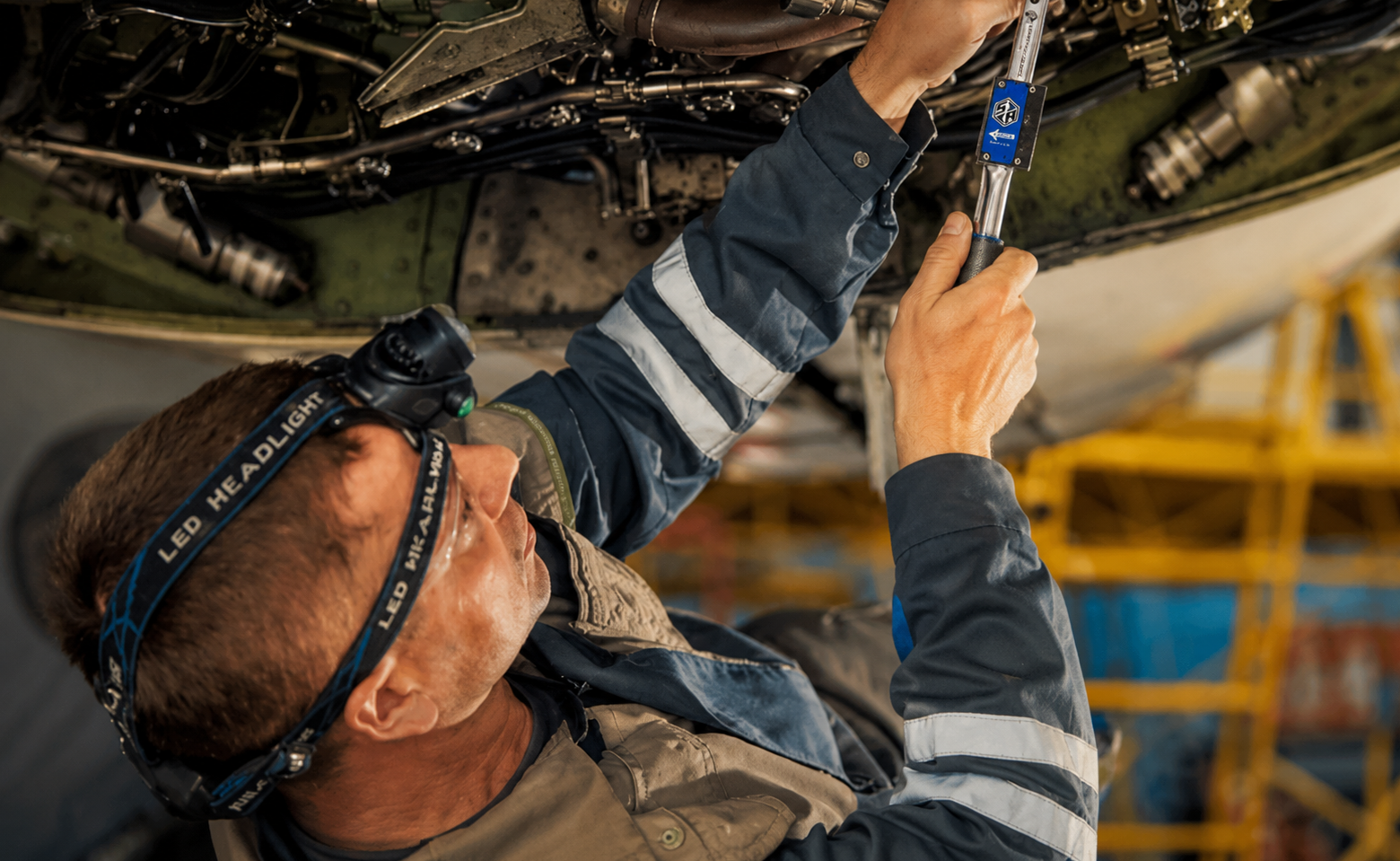
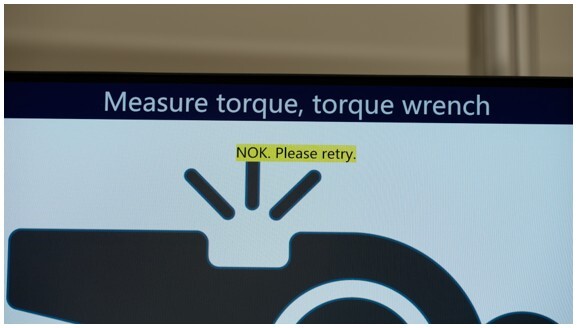
Before certain critical operations begin, the technician performs a torque test using an integrated testing unit.
The result is automatically captured and compared with the permitted specification.
Within specification:
The tool receives an OK result and the technician can continue.
Outside specification:
The tool receives an NOK result and the workflow directs the technician to the appropriate corrective or calibration procedure.
This turns torque wrench verification from a separate manual check into an integrated part of the MRO workflow.
Manual quality checks can also be included in the digital process.
For example, technicians can capture photographic evidence with the Ansomat Companion App and link it directly to the relevant repair step.
The digital repair record can bring together:
Process results
Putting a paper instruction on a screen digitalizes the document. Connecting that instruction to the repair process digitalizes the workflow.
A connected Digital Work Instruction can actively respond to what happens during the repair:
The instruction is no longer just something the technician reads. It becomes an active part of process control.
Because instructions, tools, and quality checks are connected within the same workflow, the repair record can be created as the work is performed.
The digital record can capture:
Instead of reconstructing a repair afterward from paper documents and separate systems, quality teams have a digital record showing what was done and how it was performed.
The transformation can be summarized simply:
This creates a more controlled, consistent, and traceable MRO process, while reducing paper documentation and manual data entry.
Going paperless is only the first step.
The real value comes from connecting the technician, instructions, tools, quality checks, and process data within one workflow.
Paper tells the technician what should happen.
A connected digital workflow guides, validates, and records what actually happens.
Discover how digital torque verification can safeguard quality and simplify compliance.