-
Guidage des opérateurs

Ansomat Management System
- Outils de serrage
- Nos solutions
- Industries
- Références
- Réserver une démo
- Free trial

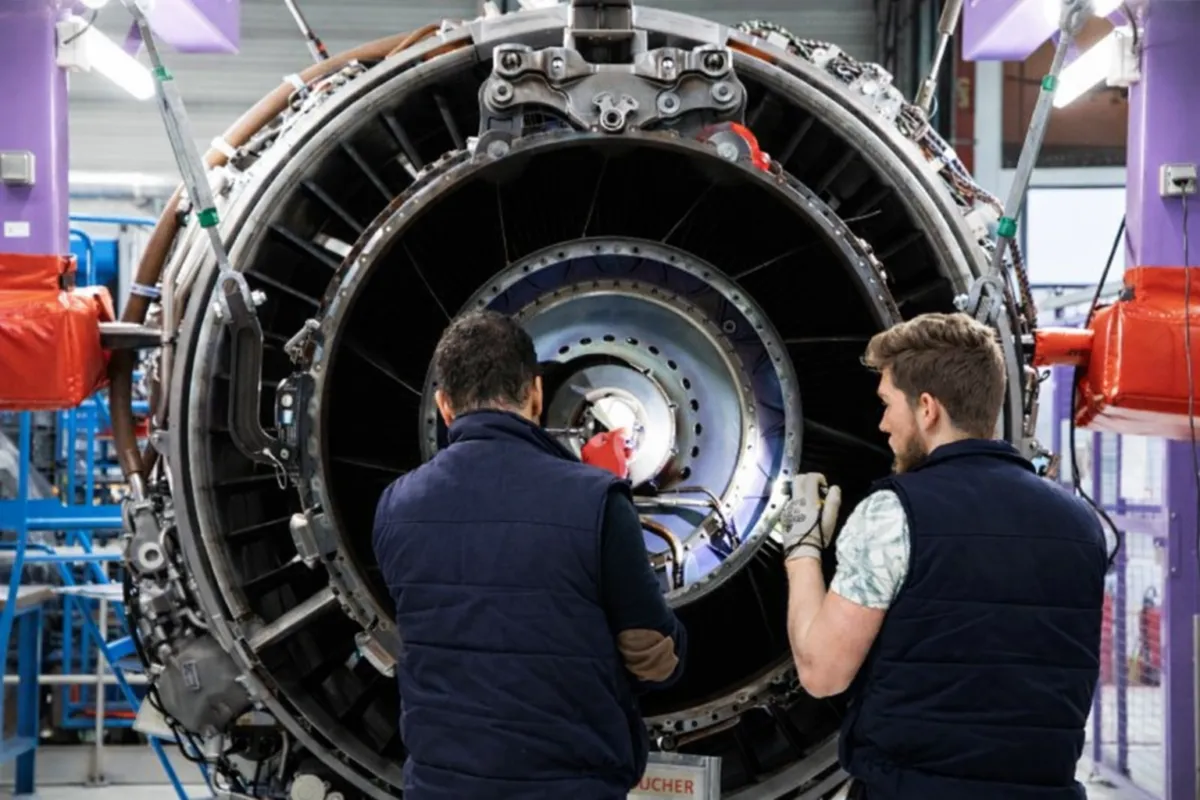
Les opérations de maintenance, de réparation et de révision (MRO) sont encore trop souvent ancrées dans des processus manuels dépassés. Les tâches critiques reposent sur une documentation papier, des outils déconnectés et une interprétation humaine, ce qui laisse peu de place à la cohérence ou à la vision en temps réel.
Les techniciens travaillent souvent avec des équipements non numériques tels que des clés à cliquet, enregistrant manuellement les valeurs de couple et les résultats des inspections. Ces activités sont rarement intégrées dans un système plus large, ce qui signifie que des données précieuses sont perdues, retardées ou difficiles à exploiter. En cas d'anomalie, il n'existe souvent aucun moyen structuré de déclencher des actions de suivi immédiates ou des flux de travail de réparation.
La vérification du couple avant les réparations des propulseurs d'avion en est un bon exemple. Avant toute intervention, les techniciens devaient procéder à de multiples vérifications manuelles pour s'assurer de l'exactitude des clés. Chaque étape de ce processus
Le résultat est un processus qui ralentit les opérations, augmente le risque d'erreur humaine et rend les rapports de conformité inutilement complexes. Dans un secteur où la précision, la traçabilité et la responsabilité sont essentielles, ces lacunes posent des problèmes opérationnels et réglementaires.
En introduisant des flux de travail entièrement numériques, les opérations MRO peuvent passer d'une exécution manuelle et fragmentée à un processus connecté et intelligent.
Lesinstructions de travail numériques sont fournies numériquement et dynamiquement, ce qui garantit que les techniciens suivent toujours la procédure correcte en fonction du contexte MRO spécifique. Les données d'étalonnage, les valeurs de couple et les résultats de serrage sont automatiquement capturés en temps réel et liés directement à chaque tâche de réparation.
Cela crée un flux de travail unique et traçable où chaque action est enregistrée, validée et accessible, ce qui élimine la paperasserie tout en renforçant la conformité et la transparence.
Validation numérique du couple
Assurez-vous de la précision du couple avant chaque réparation.
La vérification du couple devient une étape intégrée et transparente plutôt qu'un prérequis manuel.
Grâce aux flux de travail guidés de l'opérateur, la précision de l'outil est vérifiée numériquement avant le début de chaque réparation. Les mesures de couple sont capturées automatiquement et directement associées à l'opération spécifique, ce qui garantit.. :
En intégrant la validation du couple dans le flux de travail numérique, les entreprises réduisent les risques, améliorent l'efficacité et acquièrent une confiance totale dans l'intégrité de chaque réparation.

The process starts by scanning the QR code associated with the component.
Ansomat identifies the component and automatically loads the correct digital repair workflow. The technician no longer needs to search through paper documentation or manually select the correct procedure.
Digital Work Instructions guide the technician through each stage of the repair.
Instructions, images, process parameters and quality checks are shown when they are needed, helping technicians follow complex procedures consistently.
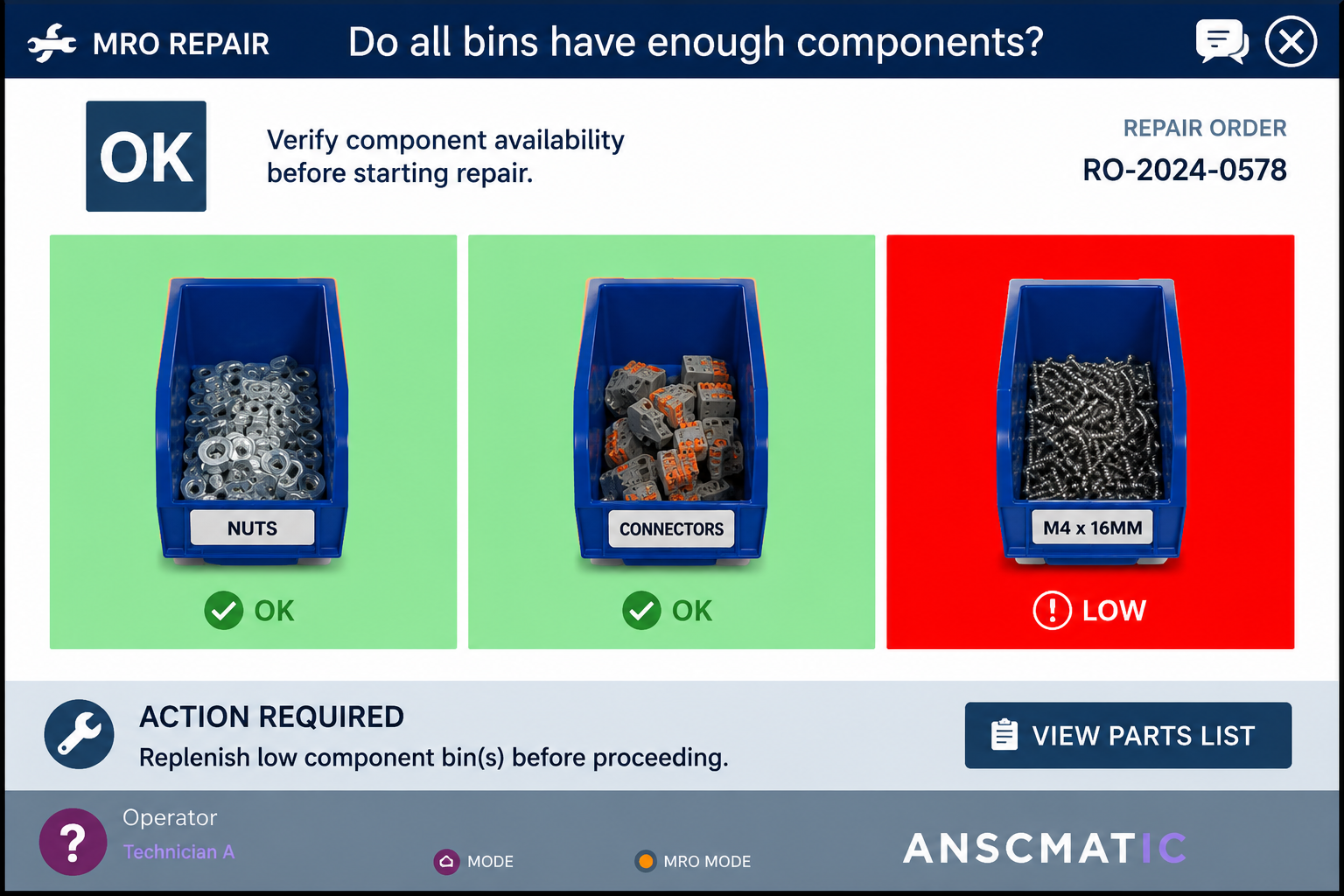
Torque-controlled operations are integrated directly into the workflow.
Connected digital torque wrenches receive the required parameters and send torque and angle results back to the system automatically.
This means tightening and documentation become part of the same process instead of two separate tasks.
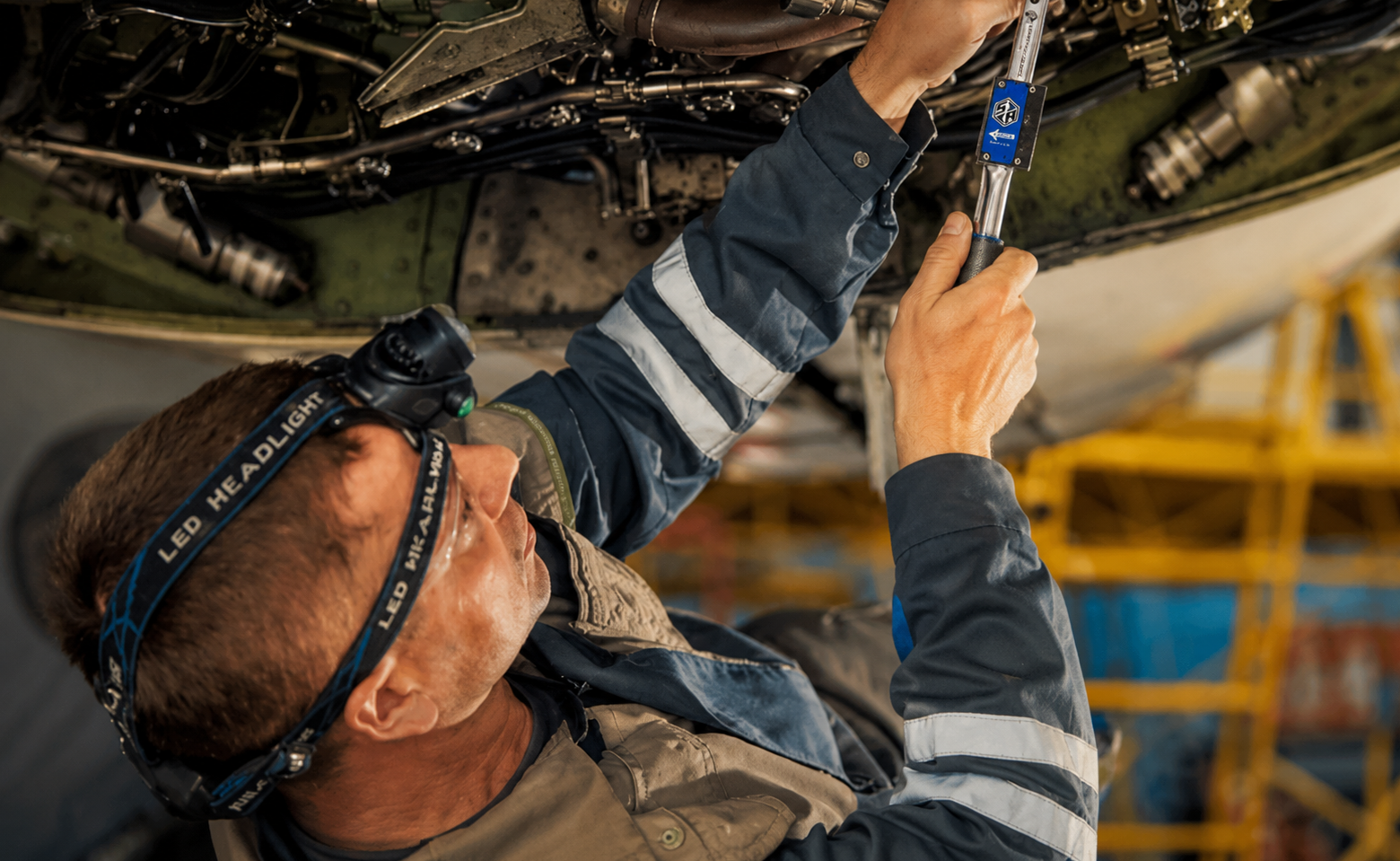
Before certain critical operations begin, the technician performs a torque test using an integrated testing unit.
The result is automatically captured and compared with the permitted specification.
Within specification:
The tool receives an OK result and the technician can continue.
Outside specification:
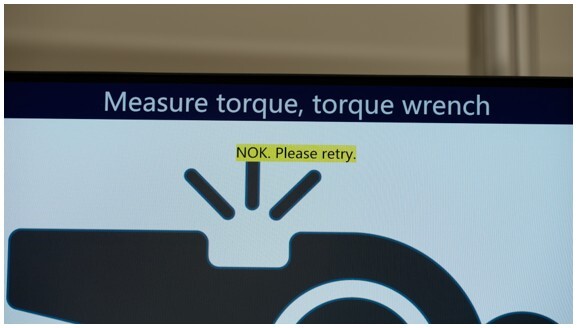
The tool receives an NOK result and the workflow directs the technician to the appropriate corrective or calibration procedure.
This turns torque wrench verification from a separate manual check into an integrated part of the MRO workflow.
Manual quality checks can also be included in the digital process.
For example, technicians can capture photographic evidence with the Ansomat Companion App and link it directly to the relevant repair step.
The digital repair record can bring together:
Process results
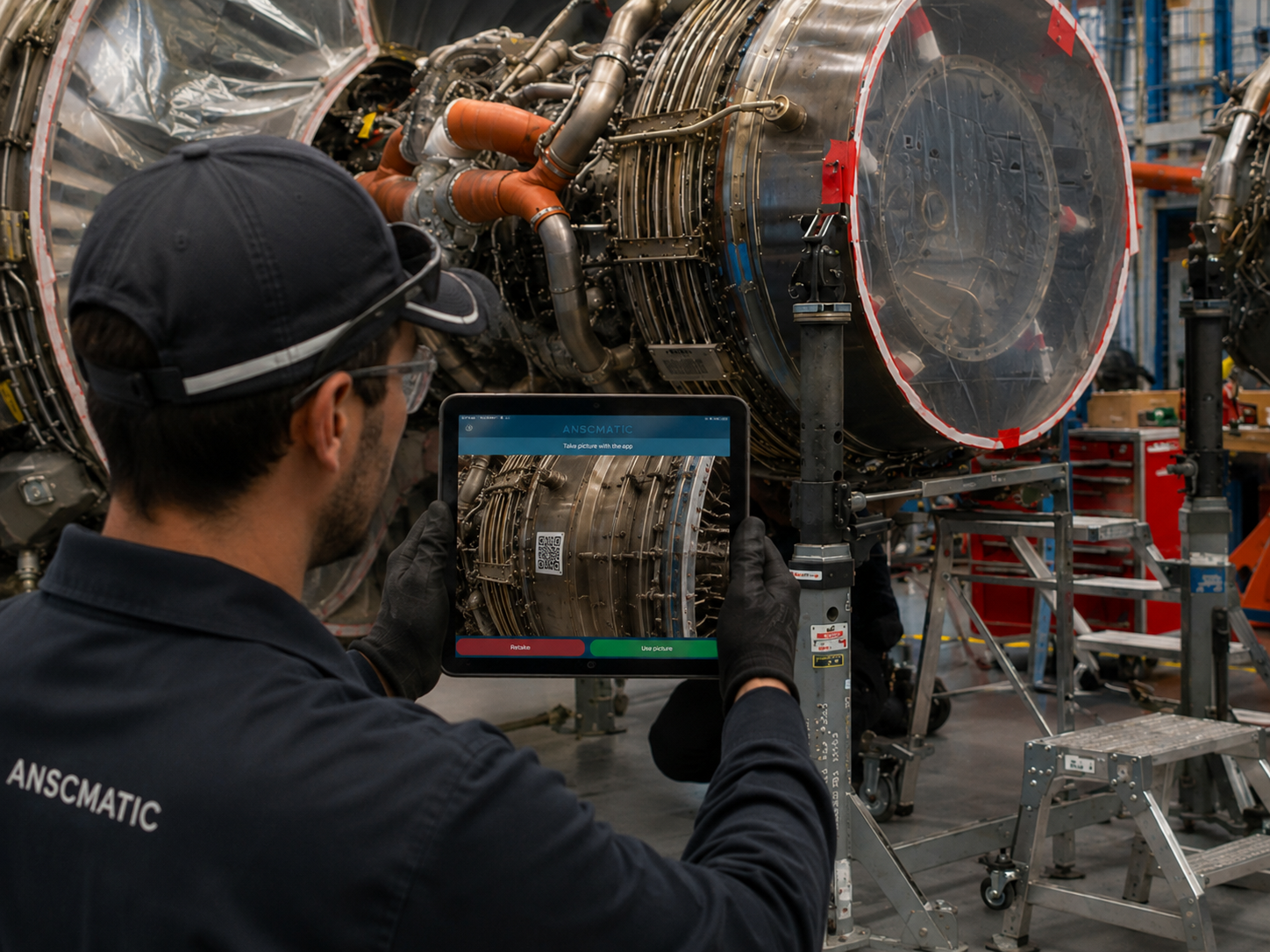
The process starts by scanning the QR code associated with the component.
Ansomat identifies the component and automatically loads the correct digital repair workflow. The technician no longer needs to search through paper documentation or manually select the correct procedure.
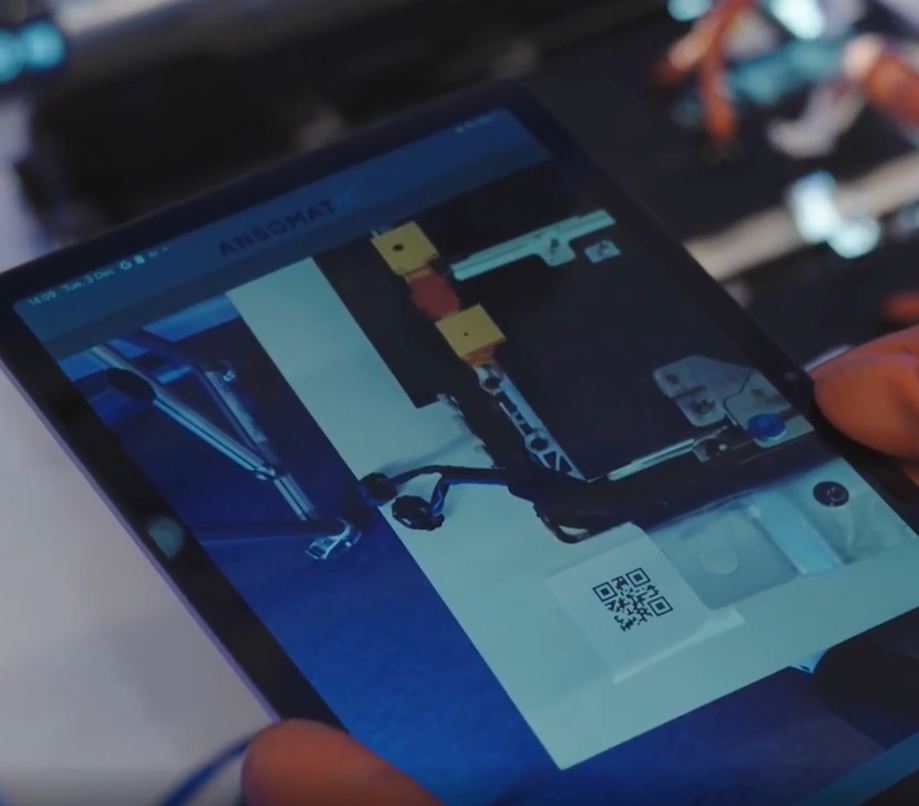
Digital Work Instructions guide the technician through each stage of the repair.
Instructions, images, process parameters and quality checks are shown when they are needed, helping technicians follow complex procedures consistently.
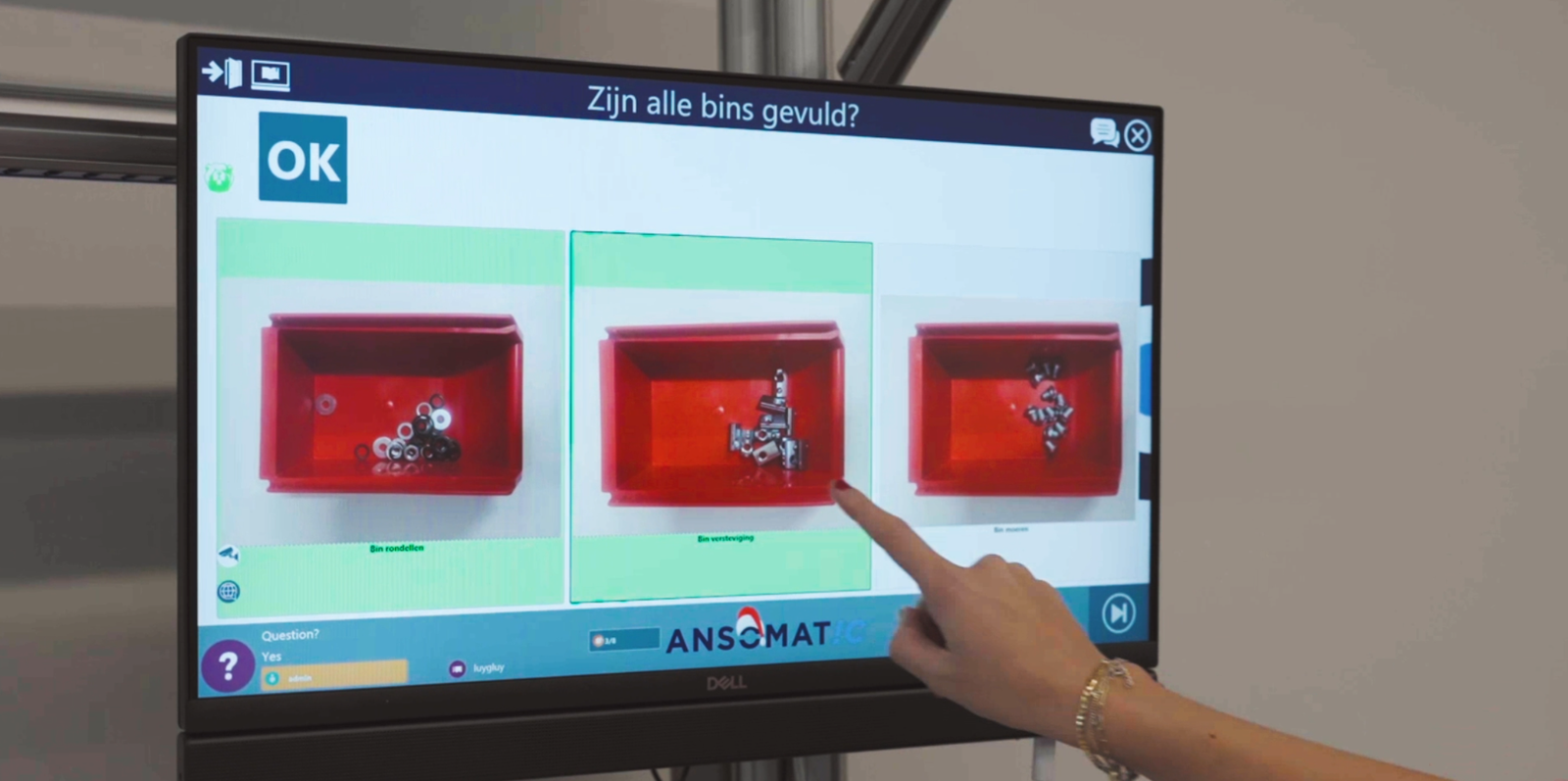
Torque-controlled operations are integrated directly into the workflow.
Connected digital torque wrenches receive the required parameters and send torque and angle results back to the system automatically.
This means tightening and documentation become part of the same process instead of two separate tasks.
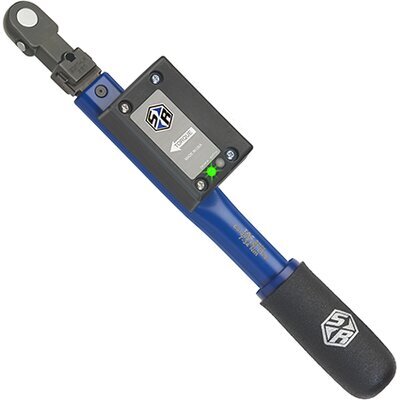
Before certain critical operations begin, the technician performs a torque test using an integrated testing unit.
The result is automatically captured and compared with the permitted specification.
Within specification:
The tool receives an OK result and the technician can continue.
Outside specification:
The tool receives an NOK result and the workflow directs the technician to the appropriate corrective or calibration procedure.
This turns torque wrench verification from a separate manual check into an integrated part of the MRO workflow.
Manual quality checks can also be included in the digital process.
For example, technicians can capture photographic evidence with the Ansomat Companion App and link it directly to the relevant repair step.
The digital repair record can bring together:
Simply displaying a paper instruction on a screen digitalizes the document. It does not necessarily digitalize the process.
A connected workflow can react to what happens during the repair.
A required quality check can prevent the technician from continuing. A connected tool can automatically provide a result. An NOK torque validation can trigger a corrective workflow. Process data can be recorded without manual entry.
Digital Work Instructions therefore become an active part of process control rather than simply a replacement for paper.
With a traditional paper-based process, quality teams may need to reconstruct what happened using different documents, manually entered values and separate systems.
With Ansomat, the digital repair record is created while the work is being performed.
It can include component identification, completed process steps, operator actions, quality checks, torque validation results, tightening data, tool status and photographic evidence.
This provides evidence not only that the repair was completed, but also how it was performed.
The complete workflow moves from:
Paper instructions → Digital Work Instructions
Standalone tools → Connected digital torque wrenches
Manual tool checks → Automated torque validation
Manual documentation → Automatic process data capture
Fragmented quality records → Full digital traceability
The result is a more connected and controlled aerospace MRO process with:
Moving away from paper is only the starting point.
The real value comes from connecting instructions with the technicians, tools and data involved in the repair.
A paper instruction tells the technician what should happen.
A connected digital workflow helps guide, validate and document what actually happens.
Découvrez comment la vérification numérique du couple peut garantir la qualité et simplifier la conformité.