


A manufacturing process is a sequence of steps or operations used to convert raw materials or components into finished products. These processes are typically carried out in factories or production environments, aiming to produce goods at scale with efficiency and consistency. Clearly defining the manufacturing process is essential for designing operations that yield high-quality, successful products. However, this is no simple task, especially when developing new products for the first time. Designing an effective manufacturing process involves numerous complexities, such as planning the production layout in a lean-friendly manner, identifying all operational constraints, selecting the necessary equipment and tools, defining machine requirements and process parameters, and implementing appropriate safety measures.
Manufacturing starts with raw materials or sub-assemblies and applies operations to create final products ready for sale or use. Common types of process operations include:
Choosing the right production method depends on:
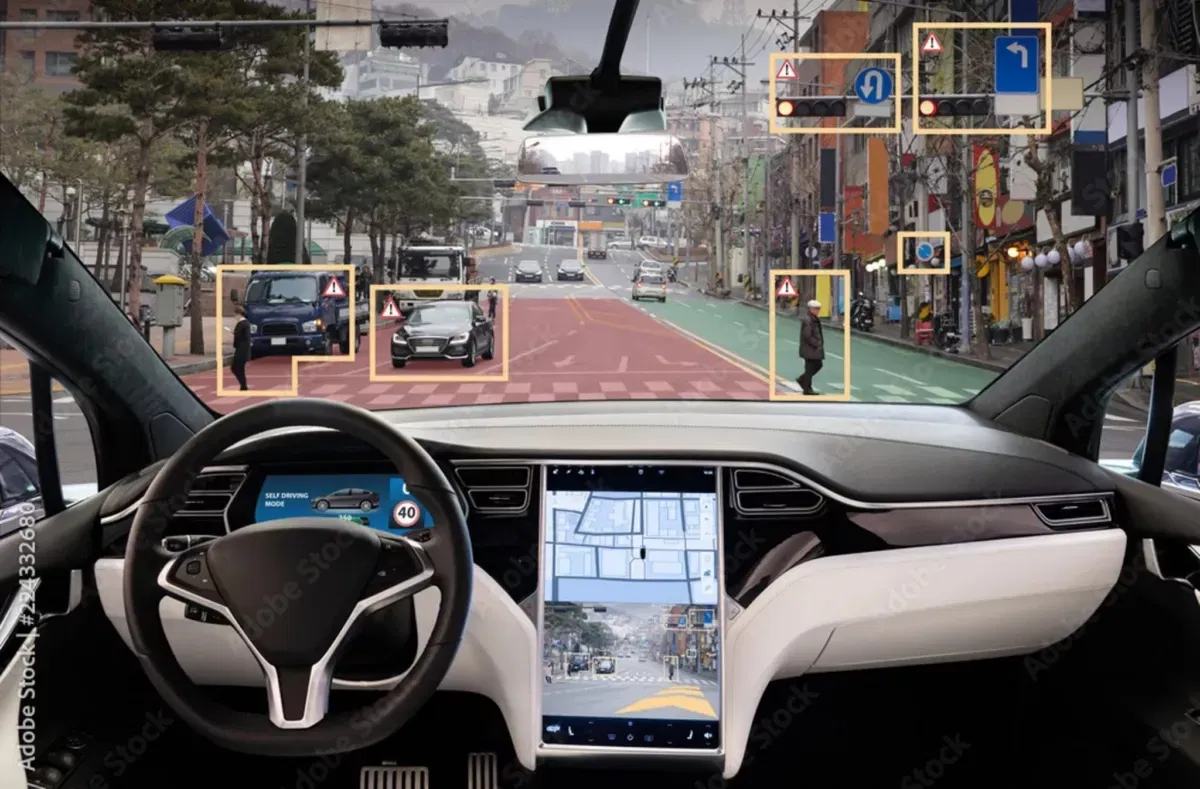
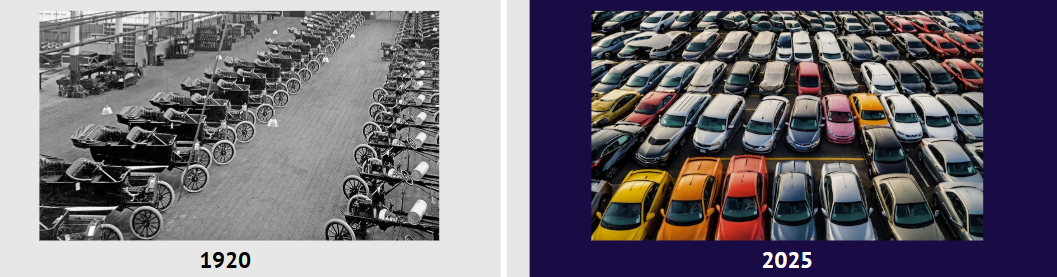
For decades, manufacturers have made significant investments in robots and machinery to achieve full automation of their production processes. This push was largely driven by the rise of mass production, focused on maximizing output in the shortest possible time while standardizing workflows to the highest degree. At the height of this trend, it almost seemed inevitable that robots would completely replace human operators, as automation technologies advanced at an unprecedented pace.
Automotive Industry: Since the mid-20th century, robots have become a cornerstone of car manufacturing, handling tasks such as welding, painting, and assembly with precision and speed that surpass human capabilities.
24/7 Operation: Unlike human workers, robots can run continuously without the need for breaks, enabling round-the-clock production and dramatically boosting overall manufacturing efficiency.
A good analogy is building an IKEA cabinet. The instructions are there, but many people end up improvising because the guide can be unclear, lacks visual detail, or simply isn’t engaging, just a small, black-and-white sheet with minimal context. In manufacturing, this kind of deviation from standard instructions can lead to errors, inconsistencies, or even safety risks. So why not make the process more intuitive, such as using digital work instructions with clear visuals, color coding, or even videos that walk you through each step? It would make the entire experience easier to follow, less frustrating, and far more reliable… Don’t you think?
Despite advancements in automation, robots aren’t poised to take over human jobs entirely. While they offer benefits in efficiency and precision, they come with significant drawbacks—high initial investment, the need for specialized skills and infrastructure to implement and maintain, and complex integration challenges. Moreover, robots typically lack the flexibility to adapt to changing environments or product variations, meaning the cost-to-benefit ratio doesn’t always justify full automation.Why mass customization: reach diverse global markets, need for artisanal craftmanship, rapid changes customer preferences (car designs are changing), became a new strategy
Mass customization is emerging as a powerful strategy to stay competitive in today’s global market. It allows manufacturers to: serve diverse customer needs across global markets, incorporate artisanal craftsmanship where it adds value, respond quickly to fast-changing customer preferences (e.g. evolving car designs).
This approach is especially relevant in high-mix, low-volume (HMLV) production environments, where product variety is key to differentiation.
When you’re in the market for a new fridge, dishwasher, or washing machine, the first step is often a deep dive into platforms like Google, Amazon, or Bol.com, leading to an endless, almost mindless scroll through countless options. Take washing machines, for example: there are so many variables to weigh, energy ratings, number of programs, noise levels, capacity, and more.
Now, imagine the complexity this creates for manufacturers. Meeting such a wide range of consumer demands while maintaining high-quality standards is no small feat. The more product variants there are, the harder it becomes to streamline production, scale efficiently, or fully automate the process. Mass customization may serve customer expectations, but it significantly increases the operational challenge compared to producing a single, standardized model.
People possess the greatest degree of adaptability. They bring creative ideas and can seamlessly manage a variety of tasks without the need for rigid programming. They are capable of responding effectively to unexpected situations and shifting circumstances.
Employment in manufacturing plays a crucial role as a key driver of welfare creation, with numerous job opportunities available. Jobs in this sector serve as the engine of economic well-being.
However, there is a challenge with “operators.” On one hand, it is increasingly difficult to find skilled and motivated labor, leading to a growing number of unfilled vacancies. On the other hand, human operators are naturally prone to errors, whether due to distractions, casual conversations with nearby colleagues, or losing track of their progress. This makes manual processes more vulnerable to mistakes.
That said, these errors can be significantly reduced if operators are provided with the right tools and support. Empowering them with the resources they need enables them to successfully build complex products with fewer errors.
Welcome to the era of “semi-automation,” where the operator remains the core of the manufacturing process. Manufacturers must equip operators with the right tools to enable them to perform their tasks accurately.
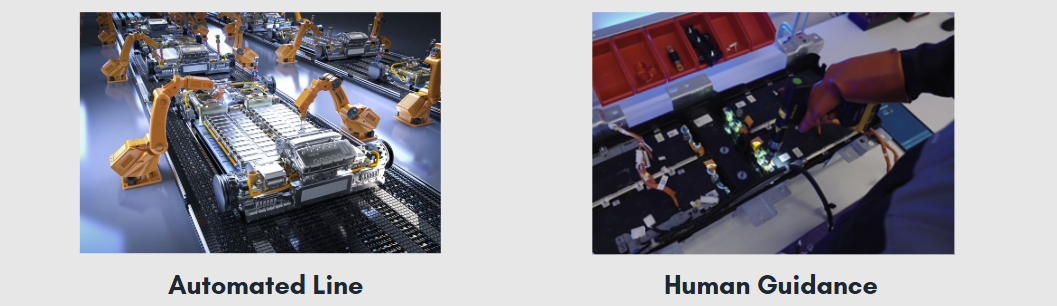
Digital work instructions and operator guidance systems provide real-time support to operators, helping them avoid mistakes throughout the production process. These systems begin with digital work instructions that deliver the right information at the right moment for each product variant, adjusting the detail and length of instructions based on the operator’s skill level.
To make learning faster and more intuitive, instructions can be projected directly onto the workspace (Augmented Reality) using various visual aids, such as shapes, colors, videos, and text, allowing operators to stay focused on their tasks. Lights and indicators guide them clearly on what to do next, from which bin to pick parts to where to place screws.
To enhance quality control, the platform can integrate with a variety of devices, sensors, vision systems, smart fastening tools, real-time location tracking, and more—providing contextual information and ensuring actions are performed correctly.
Finally, all operator activities are logged to increase transparency and provide detailed insights into shop floor operations.


