In today’s fast-evolving manufacturing landscape, operator guidance has become an essential tool for businesses aiming to boost efficiency, quality, and safety on the production floor. For many years, industries have relied on automation and robotics to streamline repetitive tasks and achieve consistent quality. However, as automation reaches its limits, the critical role of human operators is becoming increasingly clear—especially in high-mix, low-volume environments, where a wide range of products and processes are involved.
Now, advanced operator guidance technologies are reshaping the way production teams work. By incorporating tools like digital work instructions, machine vision, pick-to-light systems, real-time positioning, and augmented reality (AR), manufacturers can provide operators with the support they need to improve efficiency, reduce errors, and maintain high-quality standards. In this article, we’ll explore how these powerful tools enhance overall production processes and provide a competitive advantage for businesses.
Operator guidance refers to a set of technologies designed to assist and guide operators throughout their tasks on the production floor. The goal is to reduce human error, maintain consistent quality, and improve productivity by providing real-time support and feedback.
When businesses implement operator guidance systems, they make their production processes more reliable, efficient, and safe. These systems track and document each operator’s performance, creating a detailed “product birth certificate” that includes a complete history of the assembly process. This ensures transparency and traceability, which are increasingly important in modern manufacturing.
Now, let’s dive into some of the key technologies that make operator guidance systems so effective in improving production processes.
One of the main components of modern operator guidance is digital work instructions. These replace traditional paper-based manuals, making it easier for operators to access step-by-step instructions through tablets, mobile devices, or head-mounted displays. Unlike paper, digital instructions can be updated in real-time, ensuring that operators always have the most current information. This flexibility is particularly important in fast-paced environments, where processes can change quickly.
With digital work instructions, operators can follow precise procedures with ease, helping to reduce errors and increase the speed of production.

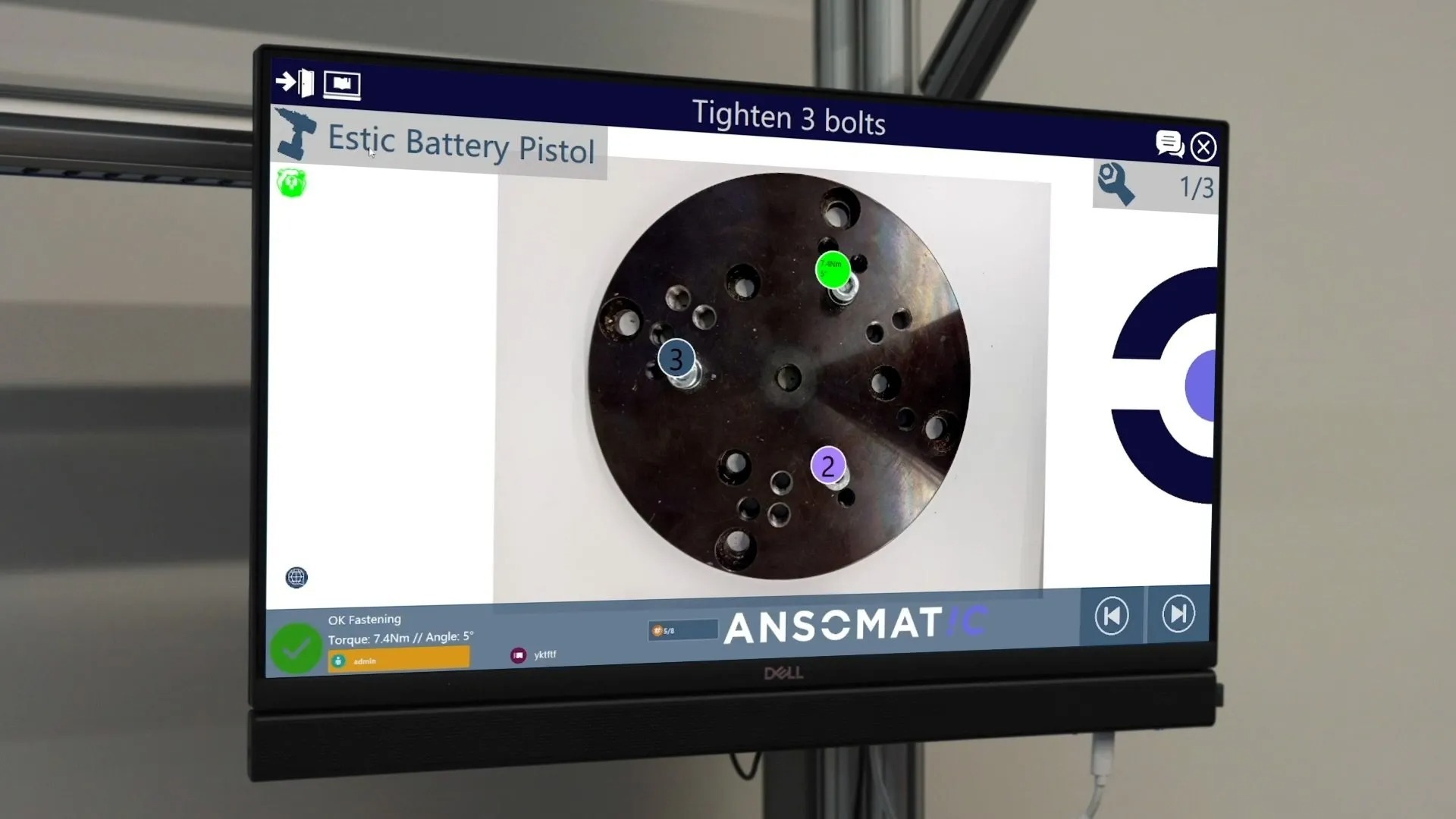


Machine vision technology leverages cameras and image processing to analyze visual data, enabling systems to recognize patterns, verify actions, and detect defects in real-time. For operator guidance, machine vision ensures that each task is completed accurately before proceeding to the next step, shifting accountability from the operator to the system itself. This reduces human error and ensures that quality is maintained throughout the production process.

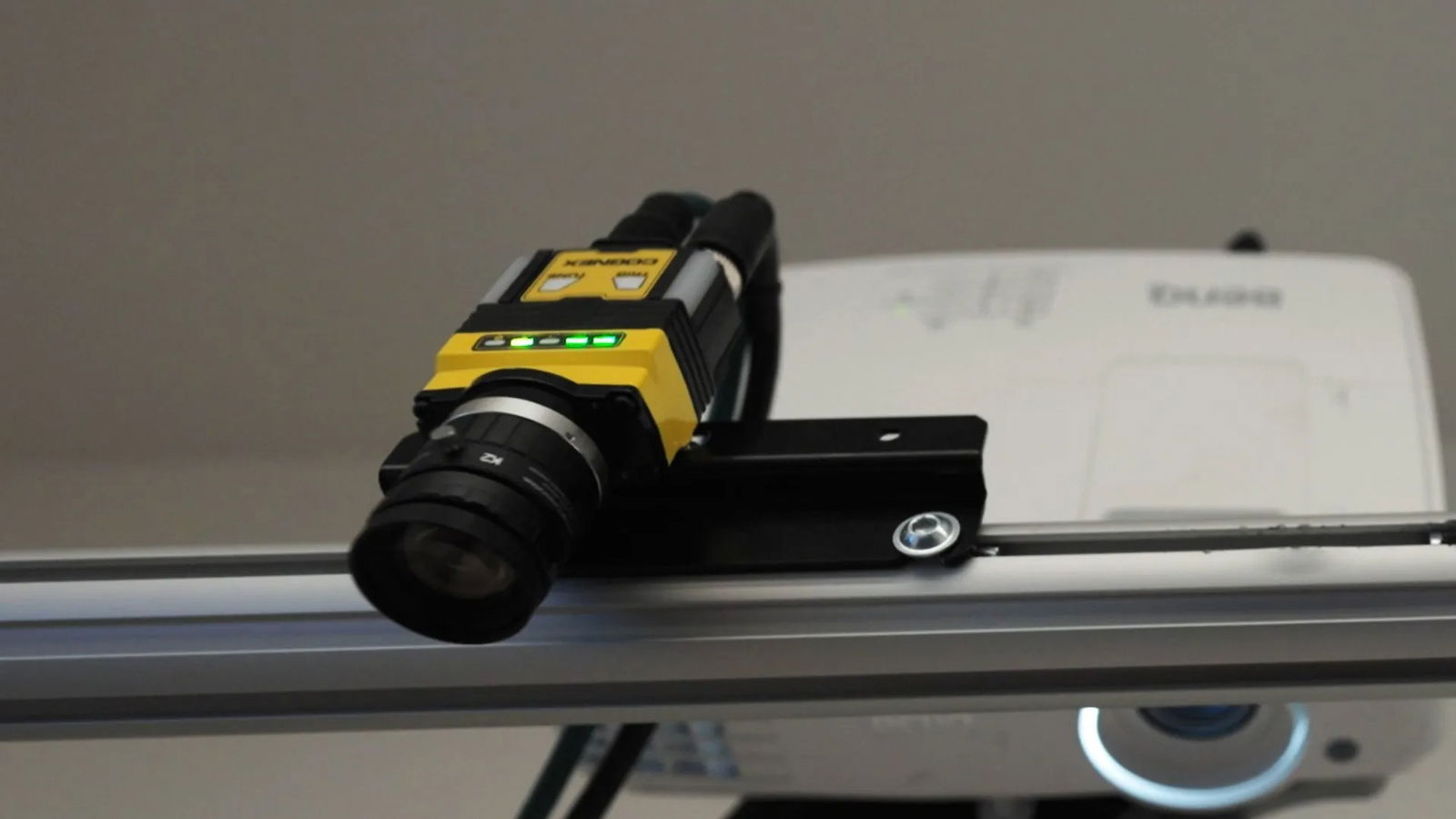
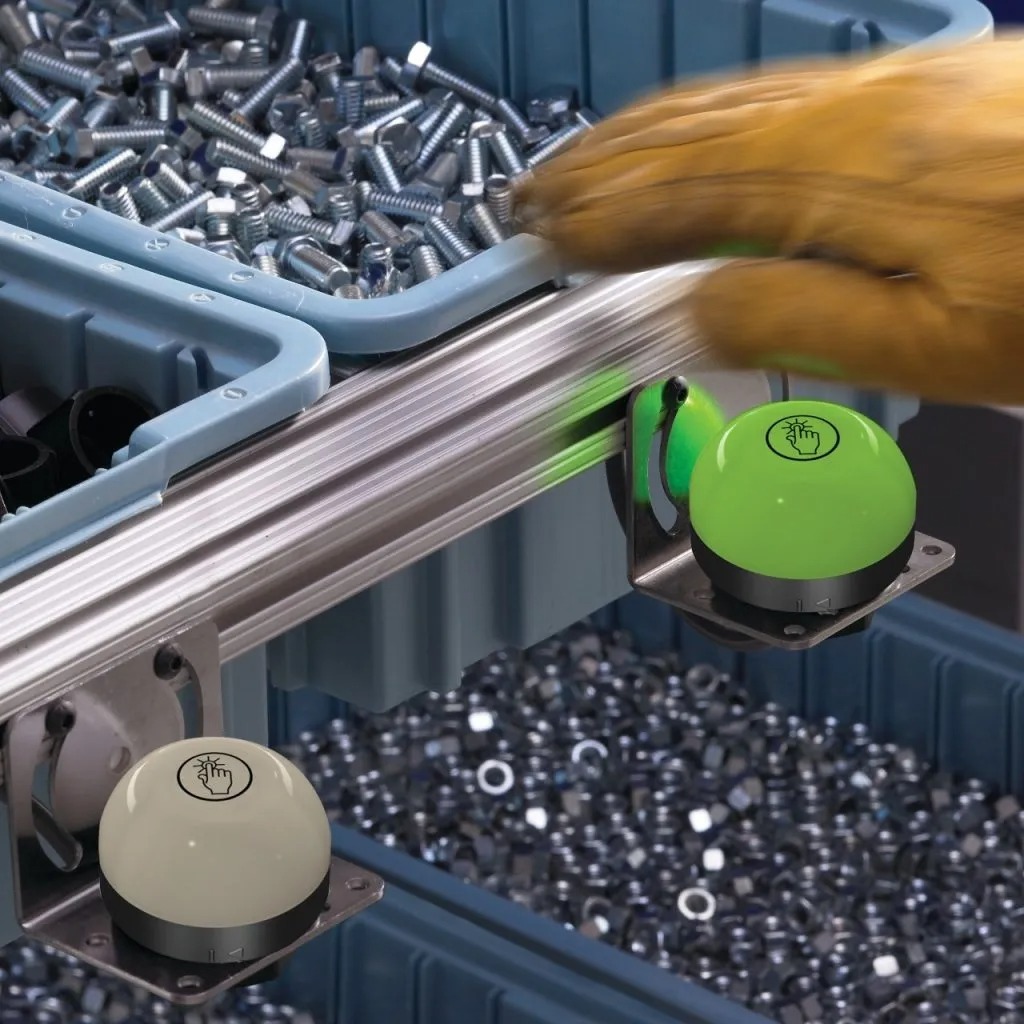
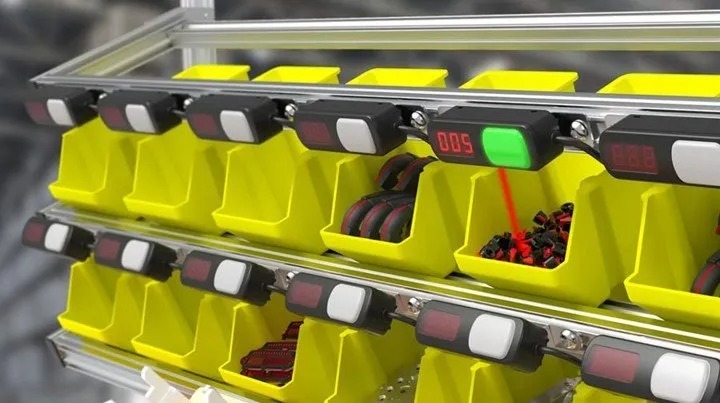
In assembly environments, pick-to-light systems guide operators through picking tasks by lighting up the appropriate components or tools. This technology simplifies the picking process, reduces errors, and speeds up operations. By visually directing operators to the correct item, pick-to-light systems ensure that the right components are selected every time, improving both speed and accuracy.
These systems are especially useful in environments with complex or diverse products, where picking errors can be costly and time-consuming to fix.
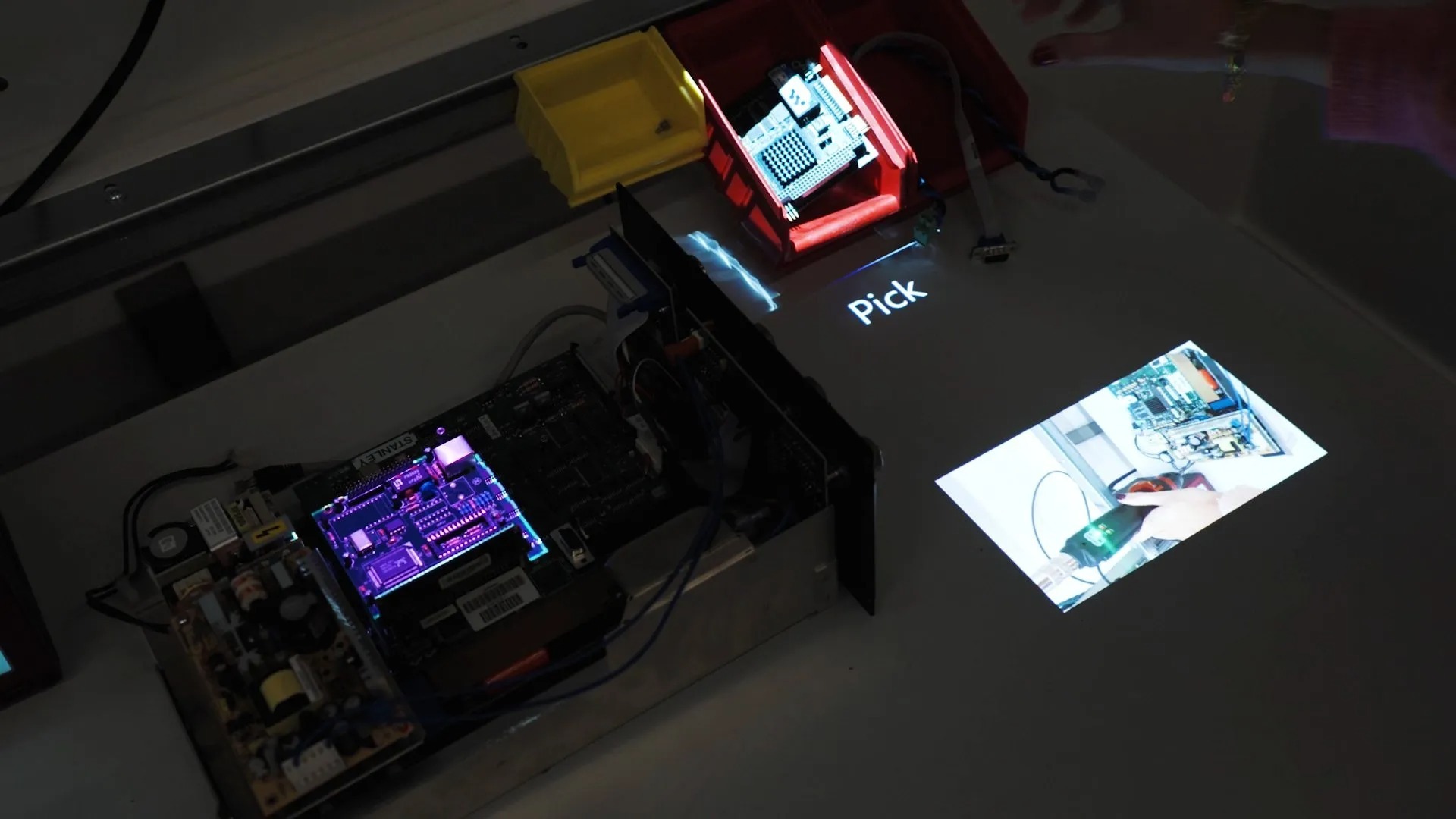
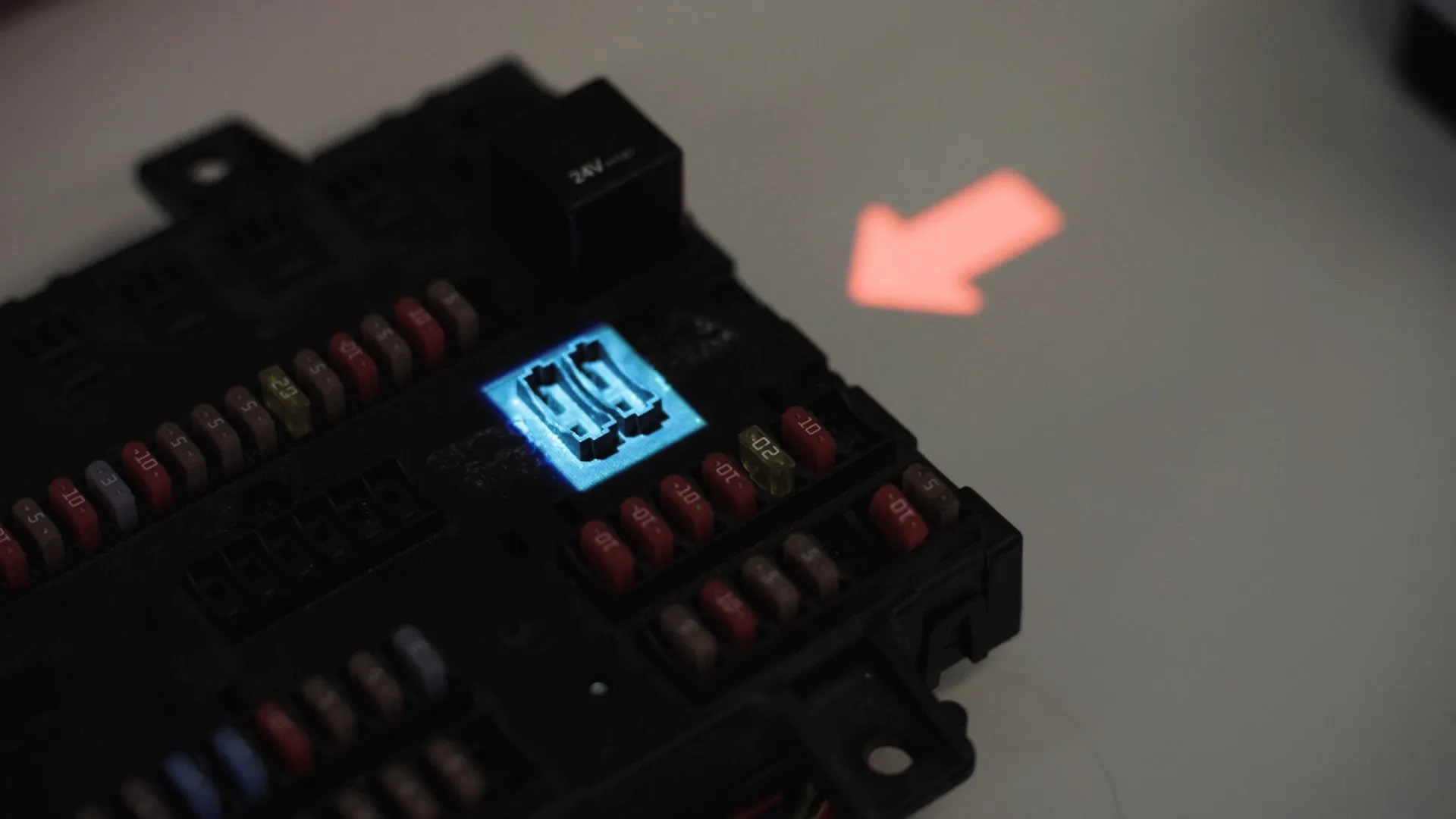
Augmented Reality (AR) superimposes digital information onto the physical environment, presenting data and visual cues directly in the operator’s line of sight. Using a projector, the operator receives step-by-step guidance, making the required actions more intuitive. This not only enhances the clarity of the tasks but also boosts the operator’s confidence in performing them correctly.
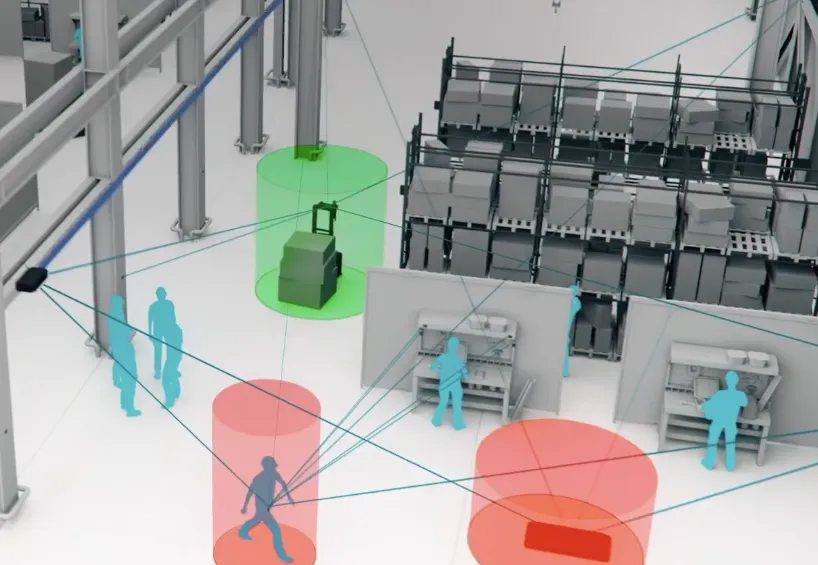
Real-time positioning systems (RTLS) continuously track the location of assets, tools, and operators on the production floor. Advanced systems, such as Zerokey Quantum RTLS Z can provide the 3D position of objects with incredible accuracy (down to 1.5mm). Hence, this technology enables several valuable applications, including:
By tracking movements and tool usage, real-time positioning systems help increase precision, reduce waste, and improve the overall efficiency of the production process.

To conclude, at Ansomat, we believe that the next digital leap in manufacturing will focus on human-centric tools that empower operators of any skill level, background, or competence to perform complex tasks with ease. At the same time, operator guidance tools offer a digital approach for highly variant-driven products—those that cannot be fully automated—enabling production processes that adapt flexibly to changing needs and complexity.