


Standard work instructions are clear, step by step documents that outline the most efficient and consistent way to perform a task or process on the job. They serve as a reliable reference for operators, technicians, and other team members, ensuring that everyone follows the same method every time.
In manufacturing, standard work instructions play a critical role in maintaining product quality, reducing variation, and improving overall safety. By documenting best practices, they remove ambiguity and help reduce human error on the shopfloor.

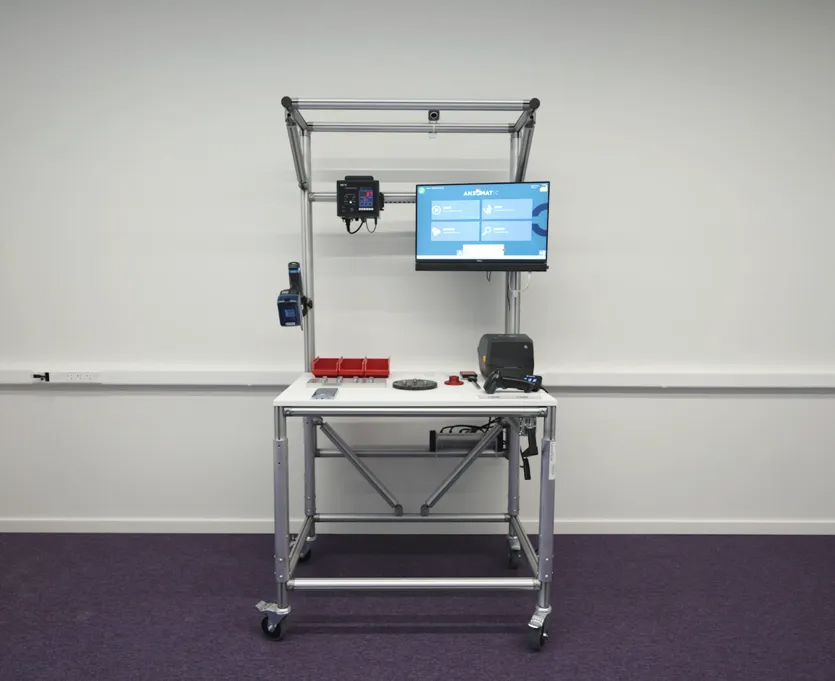
A well-organized and standardized workstation supports consistent process execution. It helps reduce waste, improve efficiency, and create a structured working environment. A standard shopfloor work area often includes:
A key part of any standard workstation is the presence of standard work instructions. These can be displayed on screens, boards, or even digitally projected, guiding operators step by step and ensuring that procedures are followed correctly.
Begin by observing and documenting the entire process. Work closely with experienced team members to define the best known method of execution. Focus on:
The goal is to identify the most efficient and repeatable way to perform the task.
Divide the process into simple actions that follow a logical order. Each step should describe one action clearly and unambiguously. Keep the language direct and actionable.
Example:
Support written steps with visuals whenever possible. This helps prevent misinterpretation and makes instructions easier to follow, especially in multilingual environments.
Examples include:
Use a consistent structure across all documents to ensure ease of use and simplify updating and reviewing instructions. A standard layout should include a clear task description, visual guidance, a list of tools or materials required, checkpoints or quality standards, and safety notes when necessary.
Have frontline workers test the instructions and provide feedback. Their insights are essential for making instructions usable, practical, and complete. They often know the work best and can highlight what’s missing or unclear.
Standard work creates a reliable baseline for everyone, no matter who is performing the task or when. This eliminates variability and leads to more stable, repeatable outcomes.
When instructions are followed consistently, the chance of errors decreases. This results in fewer defects, less rework, and improved customer satisfaction.
Clear instructions make it easier for new employees to learn. They reduce the dependency on others and speed up the time it takes for new hires to become effective.
Well-documented instructions help you meet industry standards and regulations. During audits, they demonstrate process control and help ensure legal and safety compliance.
When everyone follows the same method, it becomes easier to measure performance, find bottlenecks, and implement improvements. You get a clearer view of what’s working and what’s not.
Standard work instructions reduce confusion. Teams across shifts or departments can align more easily, knowing exactly what steps to follow and in what order.
standard work instructions are not just documentation, they are a foundation for operational excellence. By creating, maintaining, and using them effectively, organizations can unlock higher productivity, lower error rates, and a safer, more reliable work environment.
For organizations committed to lean principles, operational excellence, and future-ready production, digital work instructions are an essential tool in the toolbox.


