


In modern manufacturing, the ability to ensure quality, consistency, and efficiency is essential for competitiveness. A major factor in achieving this is through process control software. These digital tools help manufacturers monitor and manage their production processes in real time. From regulating machinery to guiding human operators, process control software ensures that every step of the production line stays within specifications.
This article explores what process control means, the different types of process control software, and how human-centric tools like operator guidance systems are reshaping the shop floor.
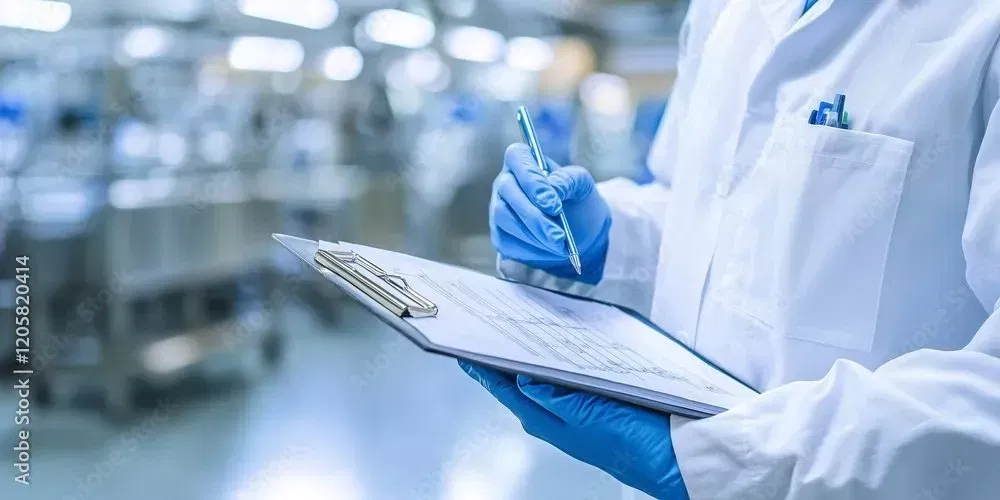
Process control refers to the methods and systems used to monitor and regulate production activities so that they run efficiently and within a set range of specifications. The goal is to reduce variability, avoid downtime, and ensure that products meet consistent quality standards.
This control can be applied to measurable machine variables such as:
However, process control is not limited to automation. It also includes manual tasks where operators observe, assemble, or make adjustments to the process. Human oversight remains an essential part of quality assurance, especially in areas that require skilled judgment or flexibility.
Process control software refers to computer programs that monitor, manage, and automate different stages of industrial manufacturing processes. These systems are designed to enforce precision, reduce errors, and keep operations running smoothly. By using real-time data from sensors and equipment, process control software ensures that production parameters stay within defined limits.
It provides a digital interface for operators and engineers to visualize processes, receive alerts, and control equipment remotely. These tools can be applied across industries, from food and beverage to automotive and electronics.
There are several categories of process control software, each tailored to specific levels of manufacturing complexity:
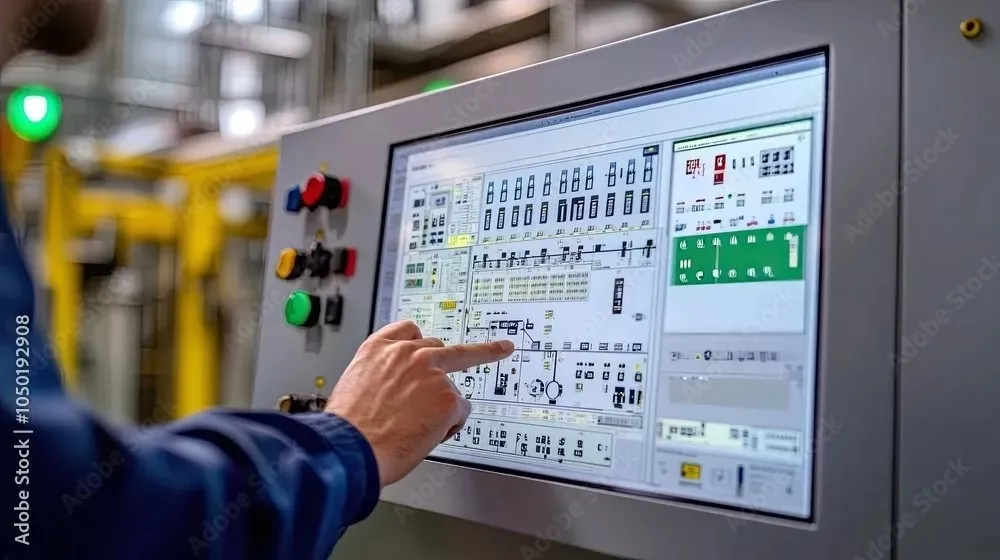
SCADA (supervisory control and data acquisition) systems are used to visualize and control large-scale industrial operations. They are ideal for managing multi-site processes or facilities with complex infrastructure. SCADA software collects real-time data from remote sensors and equipment, offering operators a centralized dashboard for monitoring and control.
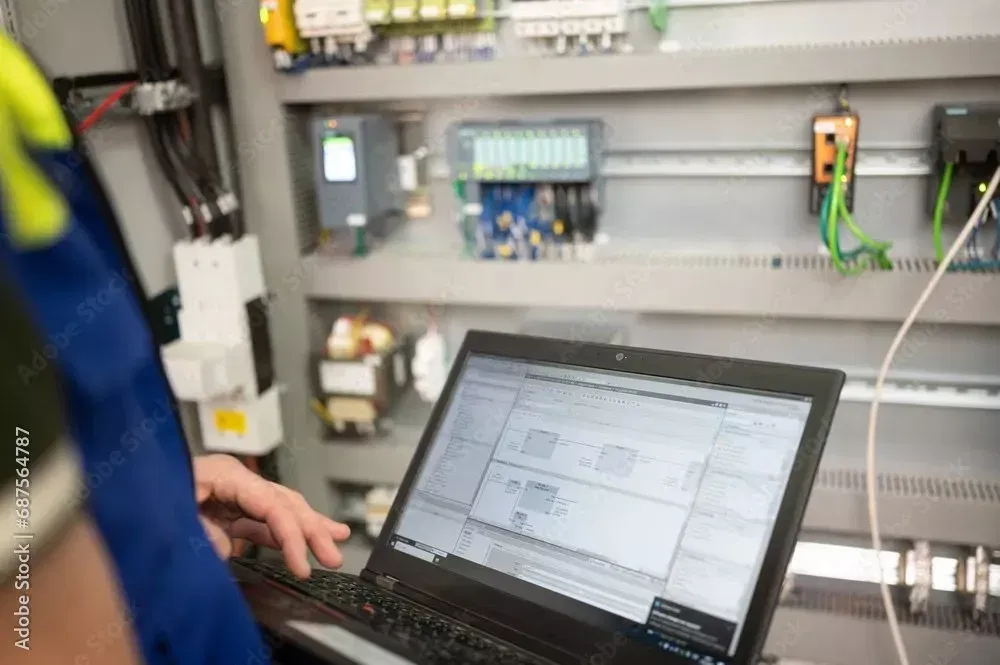
PLC (programmable logic controller) software is used for programming machine-level logic and control systems. These are essential for individual machines or smaller
production units. PLCs respond to sensor inputs and execute real-time instructions to keep processes stable and repeatable.
MES (manufacturing execution system) software acts as the bridge between shop floor operations and enterprise systems like ERP. It handles order scheduling, production tracking, quality checks, and performance metrics. MES platforms offer end-to-end visibility into manufacturing processes.

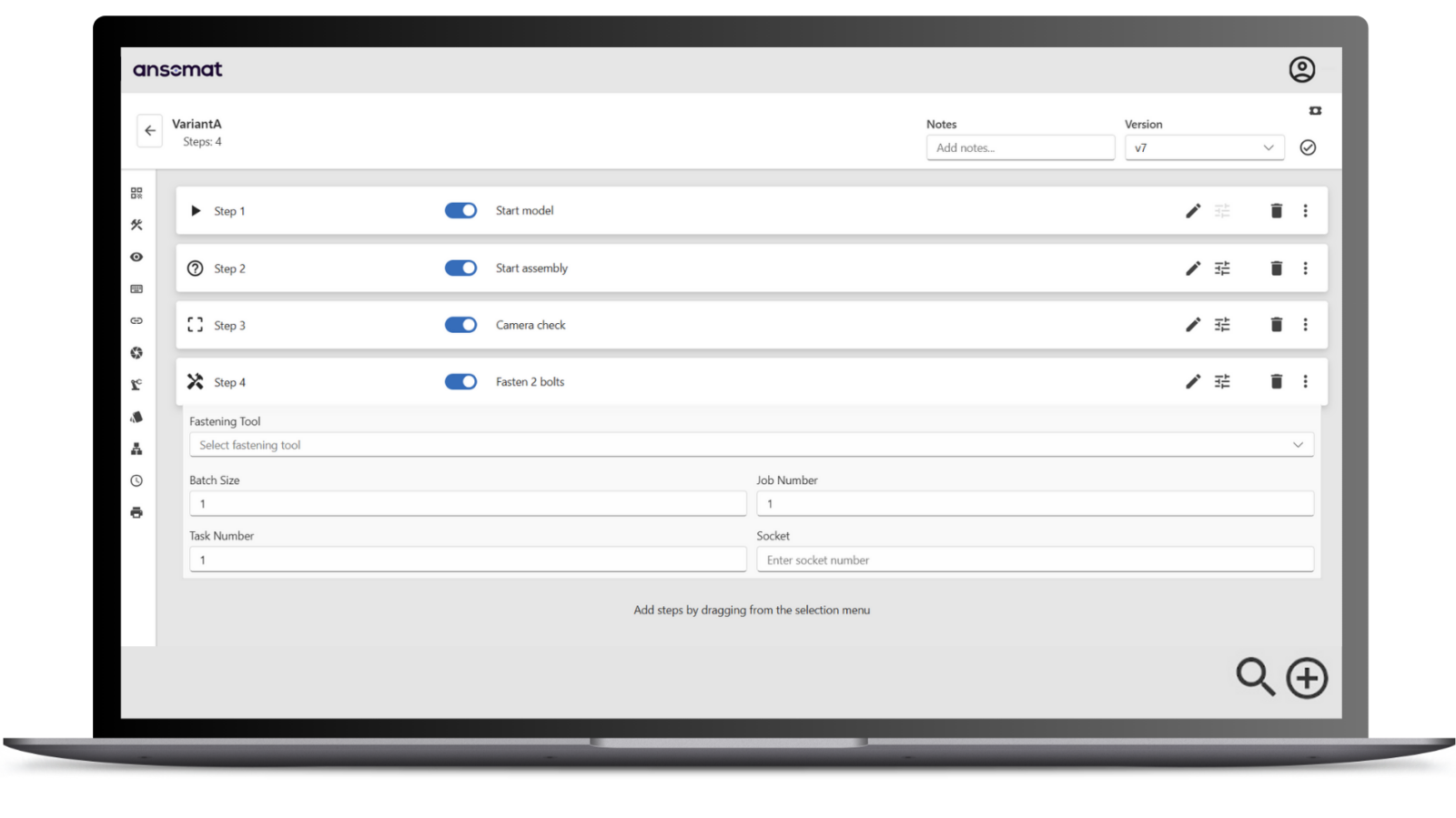
Operator guidance software supports manual tasks by providing real-time, step-by-step digital instructions. These systems reduce training time, minimize human error, and ensure that procedures are followed correctly. They also allow manufacturers to monitor and document every action taken by an operator for compliance and traceability.
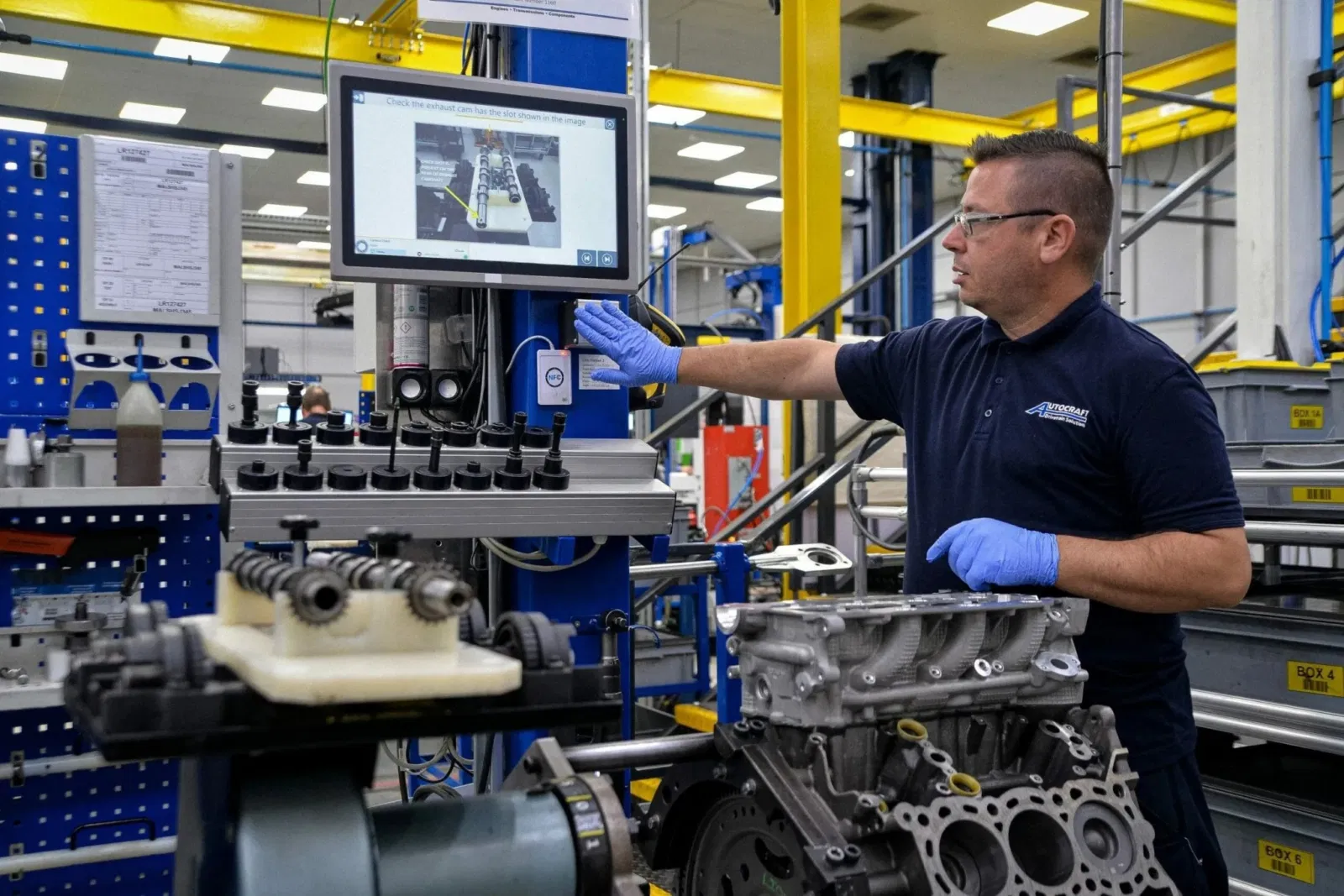

Among all forms of process control software, operator guidance platforms stand out for their focus on the human element. Rather than fully automating tasks, this software empowers operators to follow best practices without sacrificing flexibility.
By offering intuitive interfaces, adaptive instructions, and visual cues, operator guidance software enhances productivity while maintaining high standards of quality. It also supports customization based on skill level, making it easier to onboard new workers or accommodate workforce diversity.
This human-centric approach ensures that manufacturing remains agile and responsive, even in complex or variable production environments.
Implementing process control software in a manufacturing environment offers numerous advantages:
Whether you’re running a fully automated factory or a hybrid environment with manual and automated processes, process control software ensures that everything runs according to plan.
Process control software is no longer just a luxury, it’s a necessity for modern manufacturers who aim to stay competitive and agile. From SCADA and PLC tools to MES and operator guidance systems, these solutions bring control, visibility, and intelligence to the factory floor.
As manufacturing continues to evolve, the role of process control software will only become more important. By combining machine precision with human adaptability, manufacturers can achieve operational excellence and prepare for the future of smart production.


