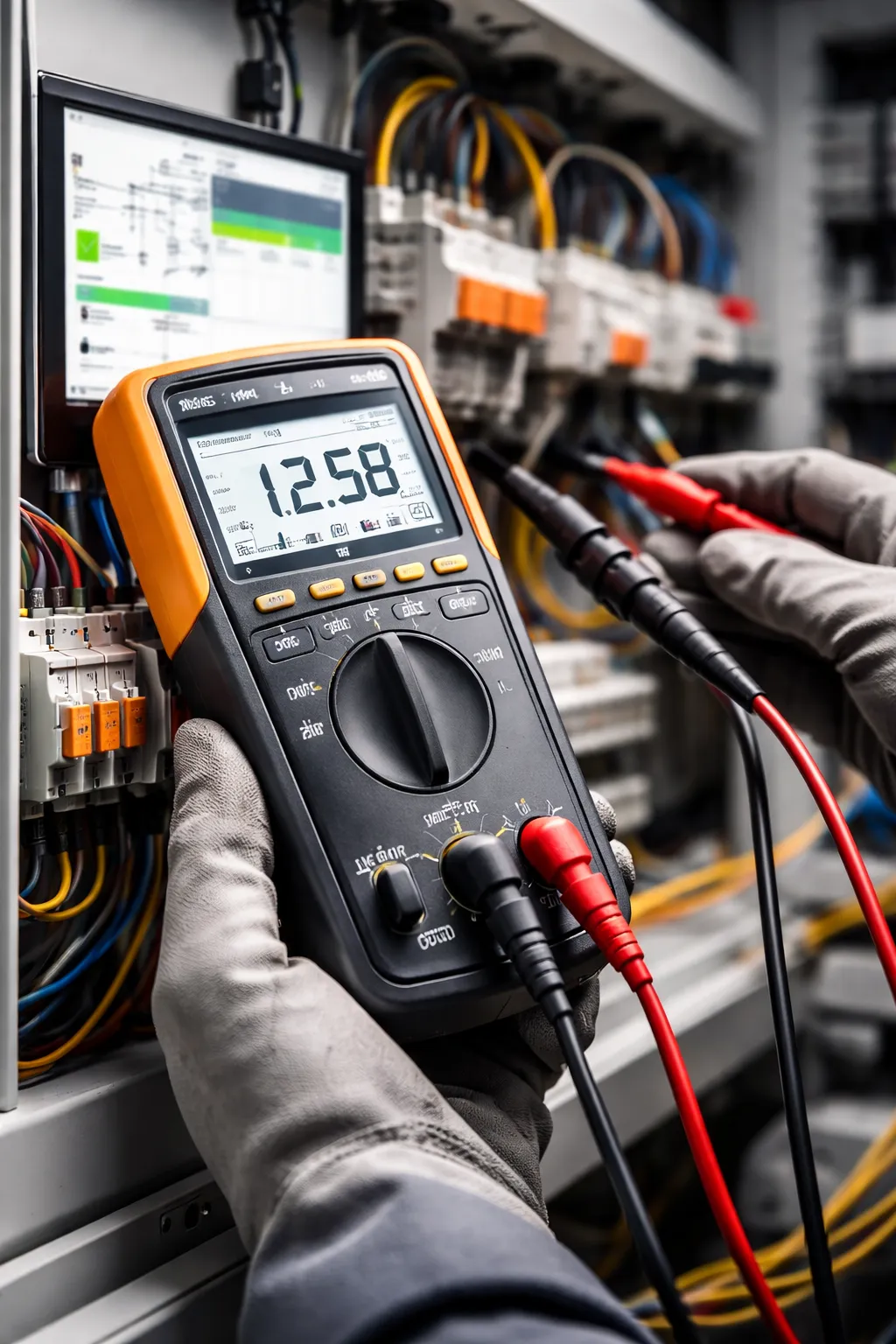
A digital multimeter is one of the most trusted tools on any production floor. It’s precise, reliable, and essential for tasks like voltage and resistance.
Because while your multimeter measures values…
it doesn’t understand context.
A multimeter (often called a digital multimeter) is an electronic measuring instrument used to measure electrical properties such as voltage, current, and resistance. Modern digital multimeters can also test continuity, making them useful for tasks like how to check for continuity with a digital multimeter when verifying circuits or wiring.
In simple terms, a multimeter helps technicians understand whether an electrical component or connection is functioning correctly. However, while a multimeter digital multimeter setup provides accurate readings, it does not guide the user, validate the process, or store results automatically- especially in complex production environments.
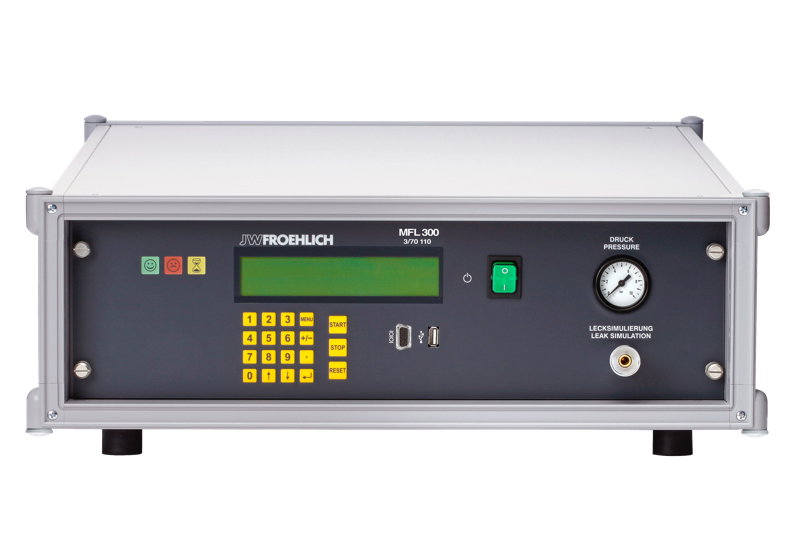
Whether you're using advanced digital multimeters or a standard multimeter digital multimeter setup, the challenges are rarely about measurement accuracy.
Your multimeter is accurate.
But in a production environment, it doesn’t know what it’s measuring, which part it’s on, or whether every required position has been tested.
It doesn’t check if values are within tolerance.
It doesn’t record results against a serial number.
👉 The problem isn’t the device, it’s the lack of process control.
In complex assemblies, like EV systems, wiring harnesses, or industrial electronics, operators must:
Even something as simple as how to check for continuity with a digital multimeter becomes error-prone at scale.
👉 The result?
Imagine if your digital multimeter didn’t just measure…
…but actively prevented errors from moving forward in your process.
A true no-fault-forward production approach means that every step must be completed correctly before the next one can begin.
That requires more than measurement, it requires control.
Now imagine your multimeter becomes part of an entire measurement workflow and knows:
And most importantly:
👉 it does not allow the process to continue if something is wrong or incomplete.
This is where the concept of a smart multimeter comes in.
Instead of relying on operator discipline, the system:
👉 The result: a measurement process that doesn’t just detect errors, but prevents them from propagating.
A system like Ansomat operator guidance platform, connects wirelessly to your existing multimeter and manages the entire measurement workflow.
The operator simply follows guided instructions through digital work instructions platform.
Behind the scenes, the Ansomat operator guidance system:
👉 The multimeter becomes part of a controlled, traceable system.
One of the biggest risks when using a digital multimeter in production is incorrect configuration.
Each measurement step may require:
With an intelligent system:
A single workflow can seamlessly move between:
📍 2. Every Measurement Position Verified
In large assemblies, checklists don’t guarantee coverage.
Even when operators know how to check continuity with a digital multimeter, they can still:
By combining measurement with RTLS (real-time location tracking):
👉 No more guessing. No more incomplete testing.
SETTINGS Auto-configured at every step. Wrong modes eliminated. | POSITIONS RTLS confirms every test point is physically visited. | TRACEABILITY Every value logged against the serial number. |
📊 3. Full Traceability, Automatically
With a traditional multimeter digital multimeter workflow, results are often:
An intelligent system solves this by:
👉 No extra steps. No missing data.
| Traditional Digital Multimeter Use | Smart Measurement System (Ansomat) | Impact / Savings |
| Manual instrument setup by operator | Automatic configuration per step | ⏱️ 20% faster test setup time |
| Risk of wrong measurement mode or parameters | Incorrect settings eliminated | ❌ Up to 90% reduction in setup errors |
| Test points can be skipped | Process blocked until all steps completed | 🔒 Zero missed measurements |
| No enforced test sequence | Guided, step-by-step workflow | 📉 Reduced training time for operators |
| Operator interprets results | Automatic limit checking (pass/fail) | ⚡ Instant validation, fewer judgment errors |
| No link to serial number | Full traceability per unit | 🔍 Audit-ready data, compliance ensured |
| Errors discovered later in process | No-fault-forward: errors stop progression | 💰 Reduced rework and scrap costs |
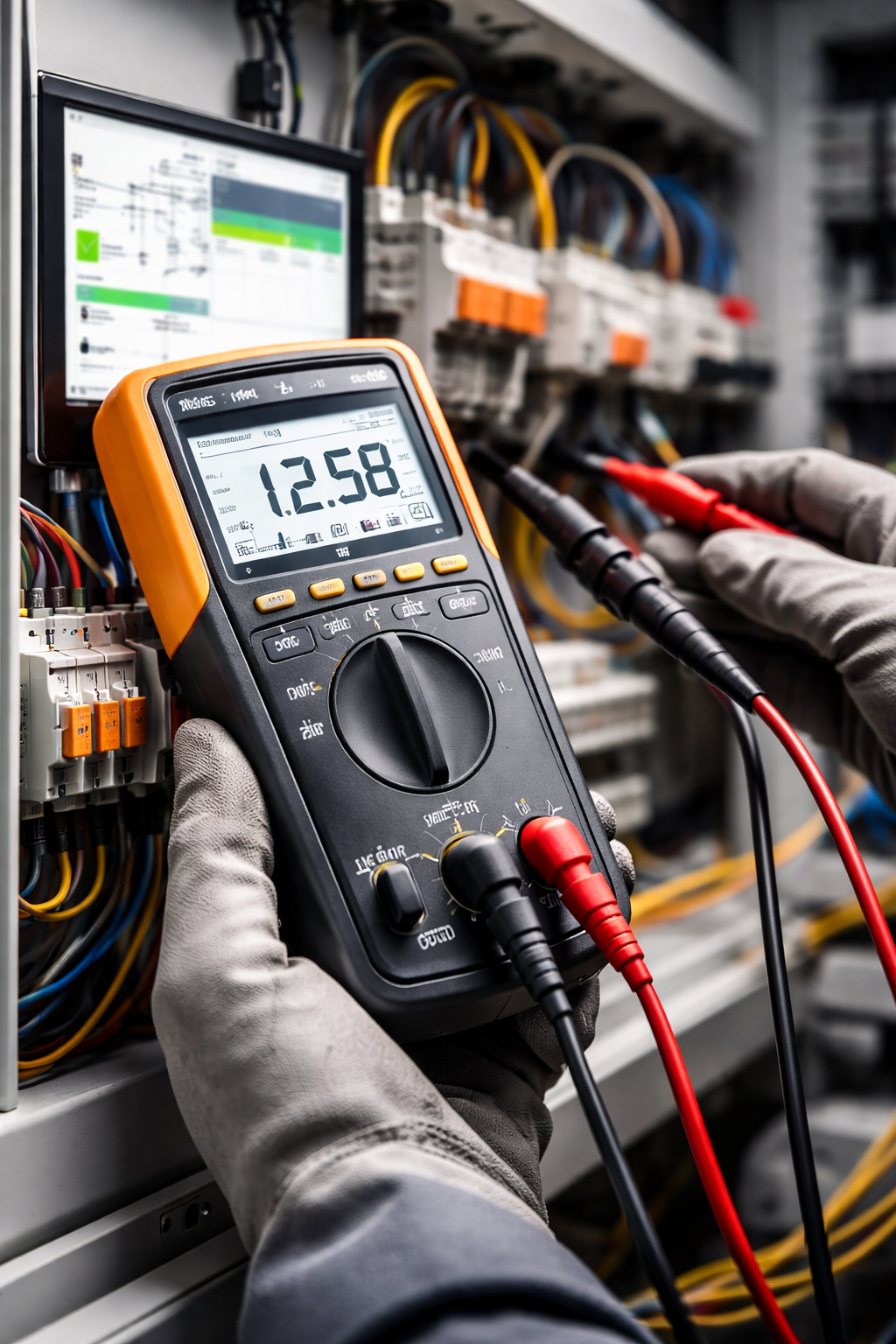
🚗 Electric Vehicle Assembly
On a battery-electric commercial vehicle production line, the integration guides operators through HV battery system and electric drive module assembly. Protective earth testing, insulation resistance checks, and milliohm contact measurements are all sequenced within a single work instruction and verified against each unit.
🔌 Wiring Harness Verification
Continuity and resistance checks across connector pins, each linked to its physical position on the harness and recorded against the vehicle serial number.
🖥️ Industrial Electronics Assembly
Component-level testing during control panel or PCB build, with automatic switching between voltage, resistance, and insulation measurements within a single procedure.
This approach is already implemented with devices like the GOSSEN METRAWATT MetraHit IM E-DRIVE BT:
The integration uses open technologies like:
👉 And can be adapted to other programmable measurement devices.
A digital multimeter will always be a critical tool.
But in modern production, the real value comes from turning it into a smart multimeter system, one that:
Discover how your existing digital multimeters can become part of a fully controlled measurement system.