-
Operator Guidance

Ansomat Management System
- Schroefsystemen
- Oplossingen
- Industrie
- Referenties
- Boek een demo
- Free trial


Few industries operate under the same level of scrutiny as aerospace.
Every aircraft component, assembly process and maintenance procedure must comply with strict quality standards. Whether manufacturing commercial aircraft, military equipment or aerospace components, there is virtually no room for error.
When a safety incident occurs, the consequences go far beyond a production delay.
Entire investigation teams may spend weeks or months determining exactly what happened. Questions such as:
need to be answered with complete confidence.
Ironically, despite operating in one of the world's most regulated manufacturing environments, many aerospace companies still execute critical production processes using paper work instructions, printed binders, handwritten checklists and manual sign-offs.
The procedures themselves are highly standardized.
The execution often isn't.
Paper work instructions aren't inherently the problem.
In fact, many aerospace procedures have been refined over decades, validated by engineering teams and approved through rigorous quality processes. The procedures themselves are often excellent.
The real challenge is how those procedures are executed on the shop floor.
Even in highly regulated environments, paper-based processes create opportunities for human error. Operators may accidentally work from an outdated revision, skip a step after an interruption, forget to record a quality check or struggle with handwritten documentation. Over time, traceability becomes fragmented across paper forms, spreadsheets and disconnected systems.
None of this happens because people aren't skilled.
It happens because people are human. Even the most experienced operators become distracted, interrupted or fatigued. In aerospace manufacturing, where every process directly impacts product quality and safety, reducing opportunities for error is just as important as defining the correct procedure.
That's why digital work instructions have become one of the highest-impact investments manufacturers can make.
Rather than relying on static paper documents, operators receive interactive, step-by-step operator guidance with visual instructions, mandatory quality checkpoints, digital sign-offs and automatic traceability. Every operator follows the latest approved process, while engineering and quality teams gain complete visibility into execution.
If you'd like to explore the broader business case for digitizing paper-based processes—including the hidden costs of paper and the measurable savings of digital work instructions, read our article: Paper vs. Digital Work Instructions: The Hidden Costs and Real Savings.
Why aerospace manufacturing software is becoming essential
Modern aerospace manufacturing software does far more than digitize documents.
It connects people, processes and machines into a single controlled production environment.
Work instruction software become the operational layer between engineering and manufacturing.
Instead of asking operators to interpret lengthy manuals, the software actively guides them through every production step while automatically collecting production data.
Typical capabilities include:
The result is higher quality with less administrative work.
The aerospace industry operates under some of the world's strictest regulations.
Manufacturers must demonstrate compliance with numerous aerospace standards, including customer-specific quality requirements, AS9100, FAA and EASA regulations.
Meeting these requirements isn't only about having documented procedures.
It's about proving they were followed.
Digital work instructions automatically create a complete audit trail including:
This digital history dramatically simplifies aircraft compliance audits and reduces the effort required during investigations.
The Challenge
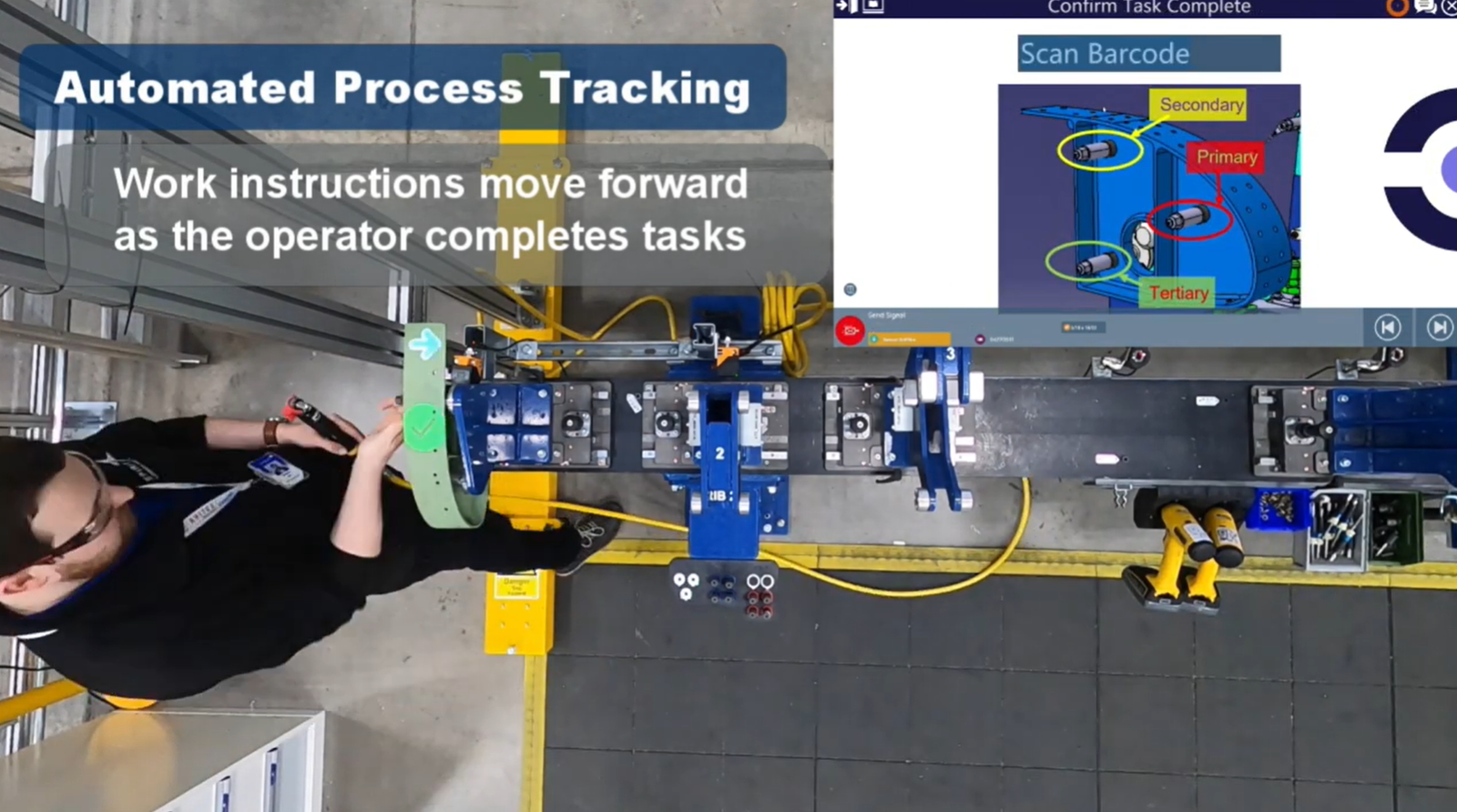
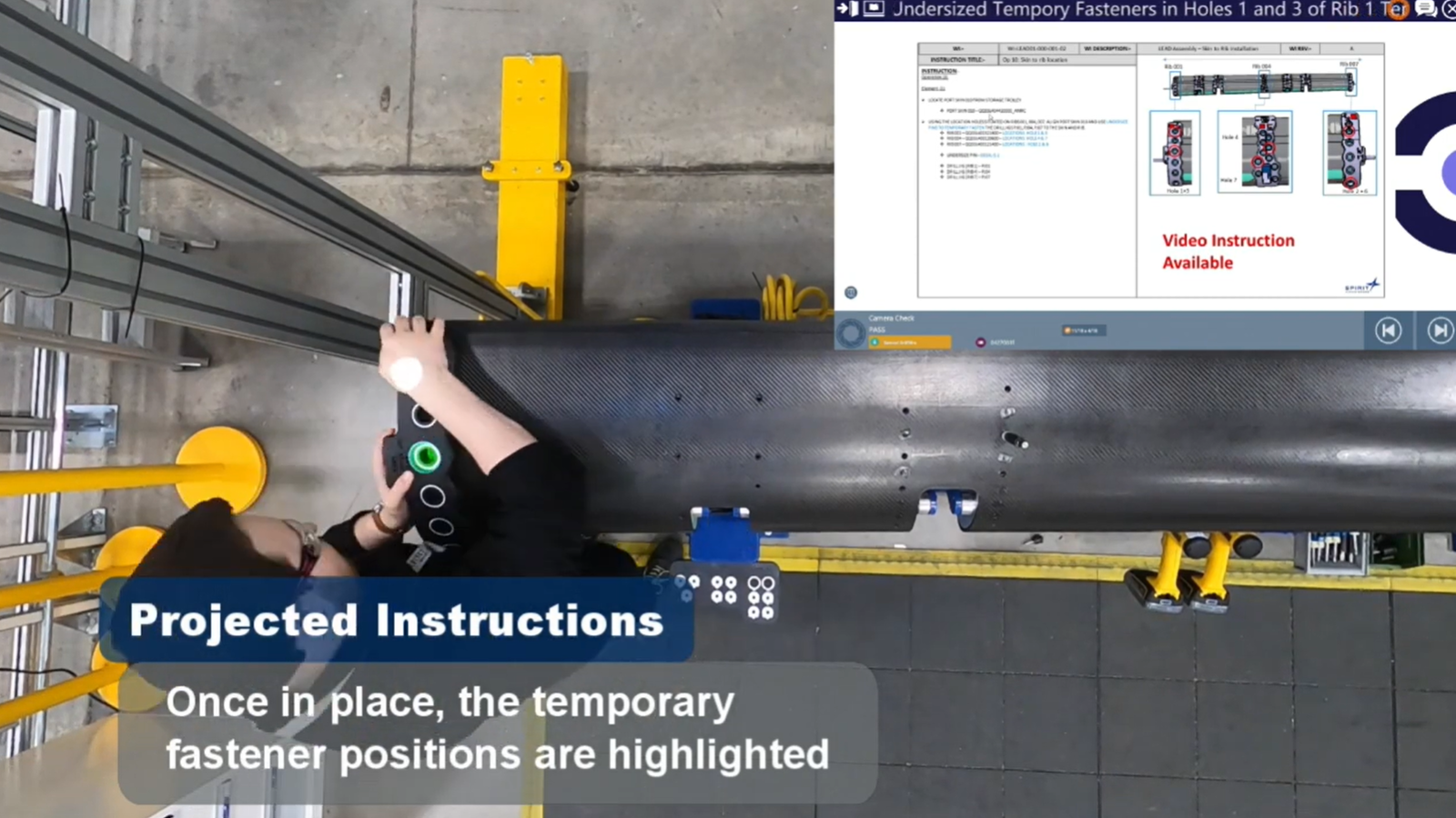
Wing assembly requires thousands of precision tasks, each requiring strict adherence to engineering specifications and complete traceability. Paper work instructions made it difficult to manage engineering changes, validate operator actions, and maintain consistent quality across large assemblies.
Read full reference : https://ansomat.co/references/spirit-aerosystems-uses-ansomatic-for-complex-wing-assembly-to-create-next-generation-assembly-environment
The Solution
Spirit AeroSystems implemented an operator guidance system to provide step-by-step assembly instructions, validate each manufacturing step, and automatically capture production and quality data. The solution integrates with smart tools and vision technology to ensure every operation is performed according to the latest engineering revision.
Business Impact & ROI
By digitizing wing assembly, Spirit AeroSystems improved process consistency, reduced manual documentation, and strengthened end-to-end traceability. Real-time operator guidance minimizes rework, accelerates quality reporting, and shortens root-cause investigations, delivering higher first-pass yield, lower production costs, and faster aircraft deliveries.
| KPI | Improvement |
|---|---|
| Assembly documentation time | ↓ 70% |
| Root cause investigation | Reduced from days to hours |
| Production visibility | Real-time |
| Operator compliance | >99% |
| First-pass yield | +10–15% |

The Challenge
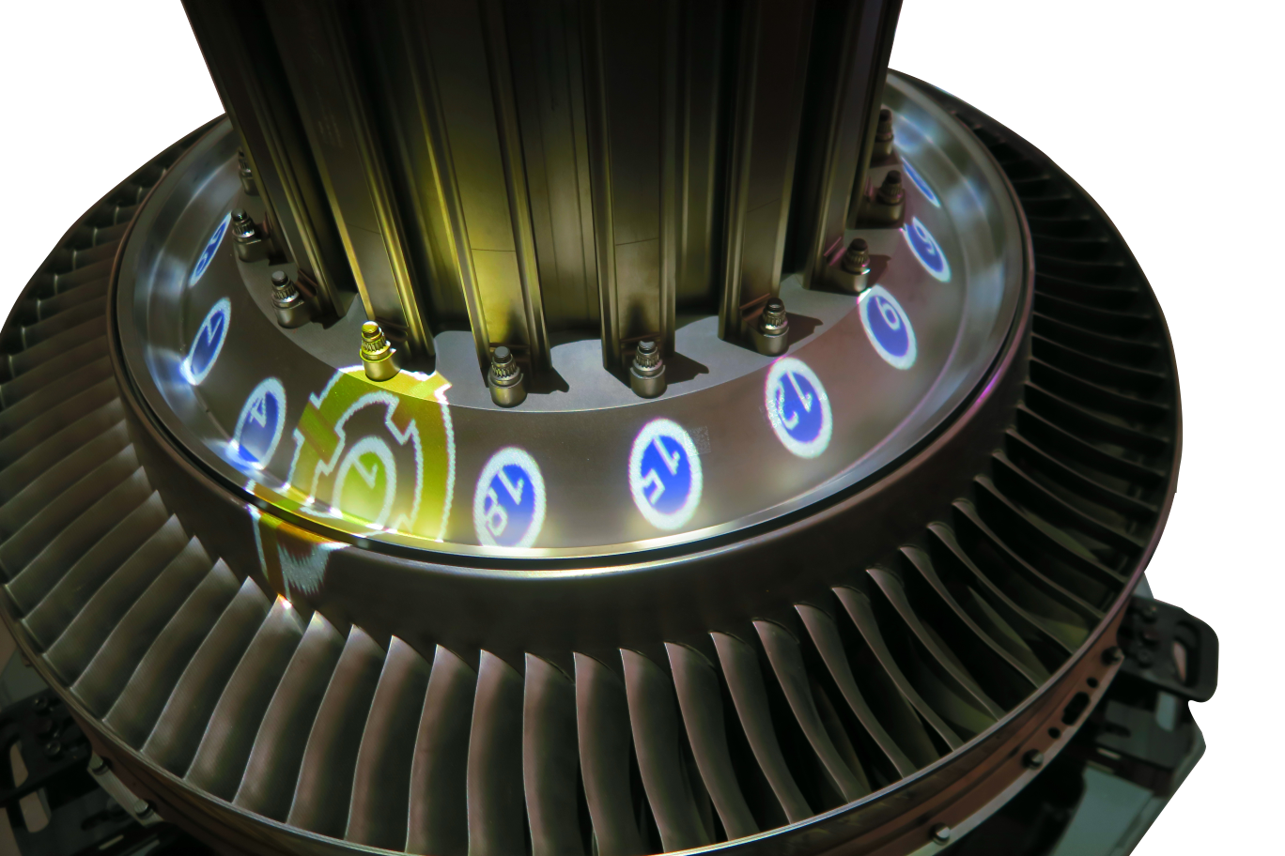
During aero booster assembly, 18 critical bolts must be tightened in a precise cross-sequence pattern. Even a single error can compromise load distribution, dimensional accuracy, and engine reliability. Paper work instructions could describe the process but could not prevent operators from tightening the wrong bolt or in the wrong sequence.
The Digital Solution
Safran implemented a digital operator guidance system combining augmented reality, machine vision, and smart tool integration. The system projects the correct tightening sequence onto the booster, verifies the tool position in real time, prevents incorrect tightening, and records torque, angle, and inspection data for every bolt, creating complete digital traceability.
Business Impact
Digital error-proofing builds quality into the manufacturing process, preventing defects at the source instead of detecting them during final inspection.
| KPI | Typical Improvement |
|---|---|
| Assembly errors | ↓ Up to 60% |
| Mandatory quality checkpoints | 100% execution |
| Rework | Significant reduction |
| Production release | Faster release cycles |
| Audit readiness | Improved customer and regulatory compliance |
Read full reference: https://ansomat.co/references/safran-digital-error-proofing-for-critical-aero-booster-assembly
The Challenge
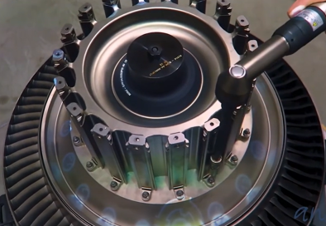
Torque-controlled fastening is a critical process in aircraft Maintenance, Repair and Overhaul (MRO). Paper-based torque records are prone to missing data, transcription errors, and the use of improperly calibrated tools, creating compliance risks and increasing audit effort.
The Digital Solution
By integrating digital work instructions with connected torque tools, technicians are guided through every fastening operation while the system automatically verifies tool calibration, captures torque values, and records technician, tool, component, and timestamp information. Every tightening operation is digitally validated and fully traceable without manual paperwork.
Business Impact
Digital torque validation eliminates manual documentation, ensures complete torque traceability, and guarantees that only calibrated tools are used. The result is faster maintenance documentation, simplified regulatory compliance, reduced audit preparation, and lower administrative costs, delivering measurable ROI through improved productivity and first-time-right maintenance.
| KPI | Improvement |
|---|---|
| Manual torque documentation | Eliminated |
| Torque traceability | 100% |
| Calibration compliance | 100% |
| Documentation time | ↓ 80% |
| Audit preparation | ↓ 75% |
| Human recording errors | Nearly eliminated |
Read full article https://ansomat.co/references/mro-service-aero-boosters-digital-torque-validation
The Challenge
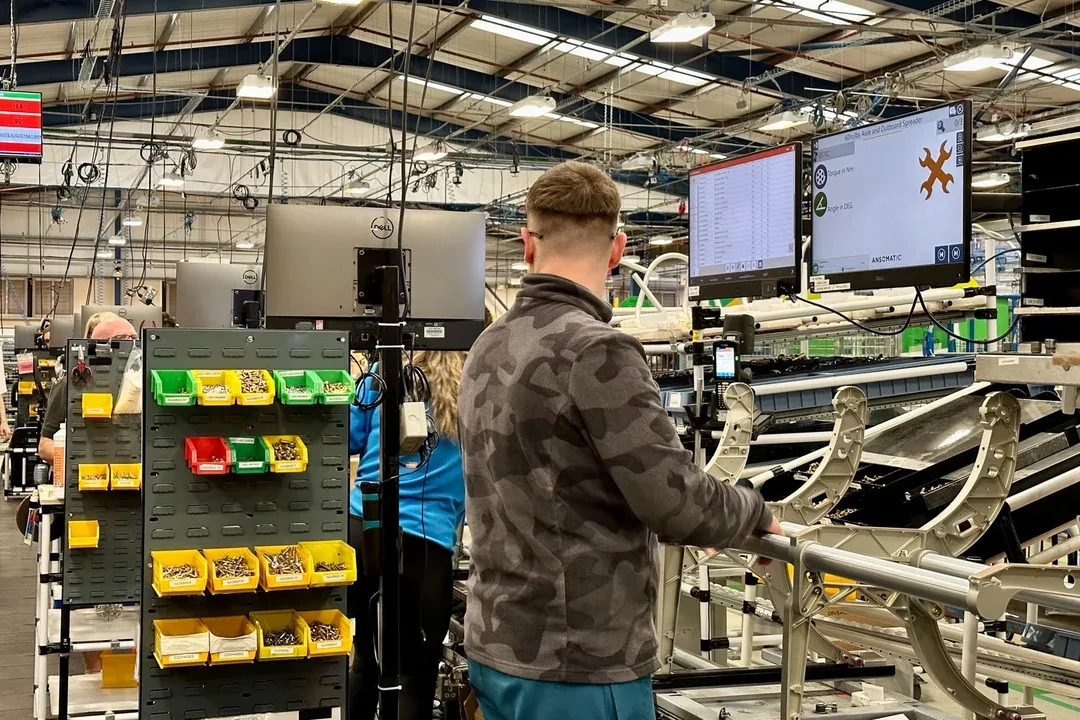
Aircraft seat assembly involves thousands of product variants, requiring operators to switch frequently between different configurations. Managing variant-specific work instructions on paper increases the risk of assembly errors, longer training times, and slower implementation of engineering changes.
Link to article: https://ansomat.co/references/collins-aerospace-airplane-seat-assembly
The Digital Solution
Collins Aerospace implemented digital work instructions that automatically present the correct assembly process based on each seat configuration. Operators receive interactive, variant-specific instructions with visual guidance, barcode validation, digital quality checks, and electronic approvals, while production supervisors gain real-time visibility across assembly stations.
Business Impact
Digital work instructions simplified high-mix aircraft seat assembly by reducing assembly errors, accelerating operator onboarding, and improving first-pass quality. Automated configuration management also enabled faster engineering change implementation and reduced engineering support on the shop floor, delivering measurable ROI through higher productivity, lower rework costs, and more efficient production.
| KPI | Improvement |
|---|---|
| Operator training time | Reduced |
| Assembly errors | Significantly reduced |
| First passed quality | increased |
| Engineering change implementations | Faster |

The Challenge
Foreign Object Debris (FOD) is one of the biggest safety and quality risks in aerospace manufacturing. Paper-based tool tracking and manual kitting processes make it difficult to verify that every tool, component, and consumable has been returned before assembly is completed, increasing the risk of costly inspections, rework, and production delays.
Link to full article: https://ansomat.co/references/prevent-fod-foreign-object-detection-tool-room-picking-kitting
The Solution
A digital tool room and kitting solution integrates with digital work instructions to control tool issuance, component picking, and return. Operators check out approved tool kits, while the system tracks tool location, calibration status, operator responsibility, and kit completeness in real time. Assembly cannot be closed until all required tools and materials have been accounted for, significantly reducing the risk of FOD.
Business Impact & ROI
Digital FOD prevention improves tool accountability, reduces time spent searching for tools, and streamlines kitting operations while strengthening regulatory compliance. By preventing missing tools and components before they become quality incidents, manufacturers reduce rework, avoid costly FOD investigations, and improve production efficiency—delivering measurable ROI through lower operational costs and faster aircraft delivery.
| KPI | Typical Improvement |
|---|---|
| Missing tool incidents | ↓ Up to 90% |
| Tool accountability | 100% |
| Tool search time | ↓ 80% |
| FOD-related investigations | Significantly reduced |
| Production delays | Reduced |
| Audit readiness | Improved |
As aircraft become more advanced and regulatory requirements continue to increase, paper-based execution becomes increasingly difficult to justify.
The challenge is no longer creating excellent procedures.
The challenge is ensuring those procedures are executed consistently—every shift, every operator and every aircraft.
Digital work instructions bridge the gap between engineering and execution by combining standardized procedures with real-time guidance, automated validation and complete traceability.
For aerospace manufacturers seeking higher quality, improved compliance and greater operational efficiency, digital work instructions have become a strategic investment rather than simply a digital replacement for paper.
What are digital work instructions for aerospace?
Digital work instructions are interactive, electronic procedures that guide operators through assembly, inspection and maintenance processes while automatically recording production data, quality checks and operator actions.
How do digital work instructions improve aircraft compliance?
They automatically document every production step, operator action, quality inspection and tool usage, creating a complete audit trail that supports regulatory compliance and simplifies audits.
Can digital work instructions integrate with digital torque wrenches?
Yes. Modern systems connect directly to digital torque tools, verify calibration status and automatically record torque values for complete traceability.
Are digital work instructions useful for aircraft MRO services?
Absolutely. Maintenance, Repair and Overhaul organizations use digital work instructions to standardize maintenance procedures, reduce paperwork and improve service documentation.
What ROI can aerospace manufacturers expect?
Many organizations report:
Contact us