-
Operator Guidance

Ansomat Management System
- Schroefsystemen
- Oplossingen
- Industrie
- Referenties
- Boek een demo
- Free trial

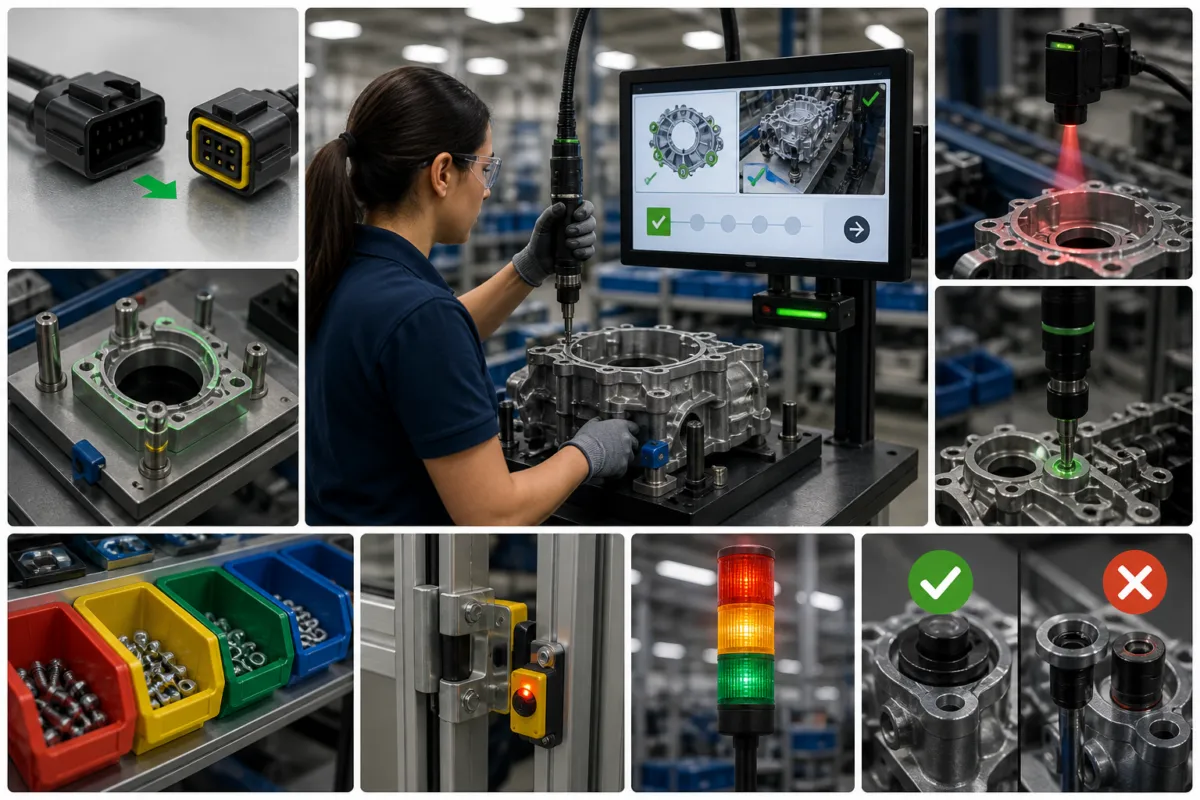
Poka-yoke in productiebedrijven is een methode om processen foutbestendig te maken, zodat assemblagefouten worden voorkomen of onmiddellijk ontdekt voordat ze defecten worden.
Het concept vindt zijn oorsprong in het Toyota Productiesysteem en is een kernpijler van poka-yoke in lean manufacturing.
Eenvoudige definitie:
Poka-yoke = processen zo ontwerpen dat operatoren geen fouten kunnen maken (of onmiddellijk worden gewaarschuwd).
In de huidige omgeving:
Dit leidt tot een kritieke uitdaging: assemblagefouten.
Zonder poka-yoke:
Met poka-yoke:
Binnen lean manufacturing zorgt poka-yoke voor:
Het is een aanvulling op andere leanprincipes zoals:
Het doel is eenvoudig:
Inspecteer kwaliteit niet, maar bouw het in het proces in.
1. Preventie (controletype)
Voorkomt dat de fout überhaupt optreedt
2. Detectie (waarschuwingstype)
Detecteert de fout onmiddellijk
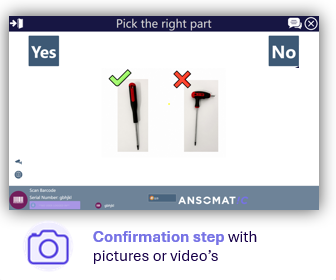
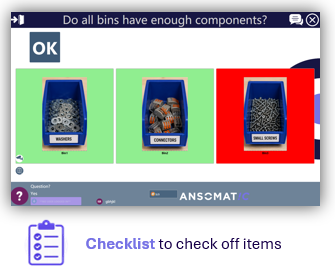
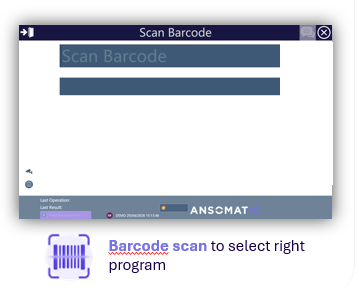
1. Assemblage werkinstructies met operator guidance software
Resultaat: Minder overgeslagen stappen en verkeerde onderdelen
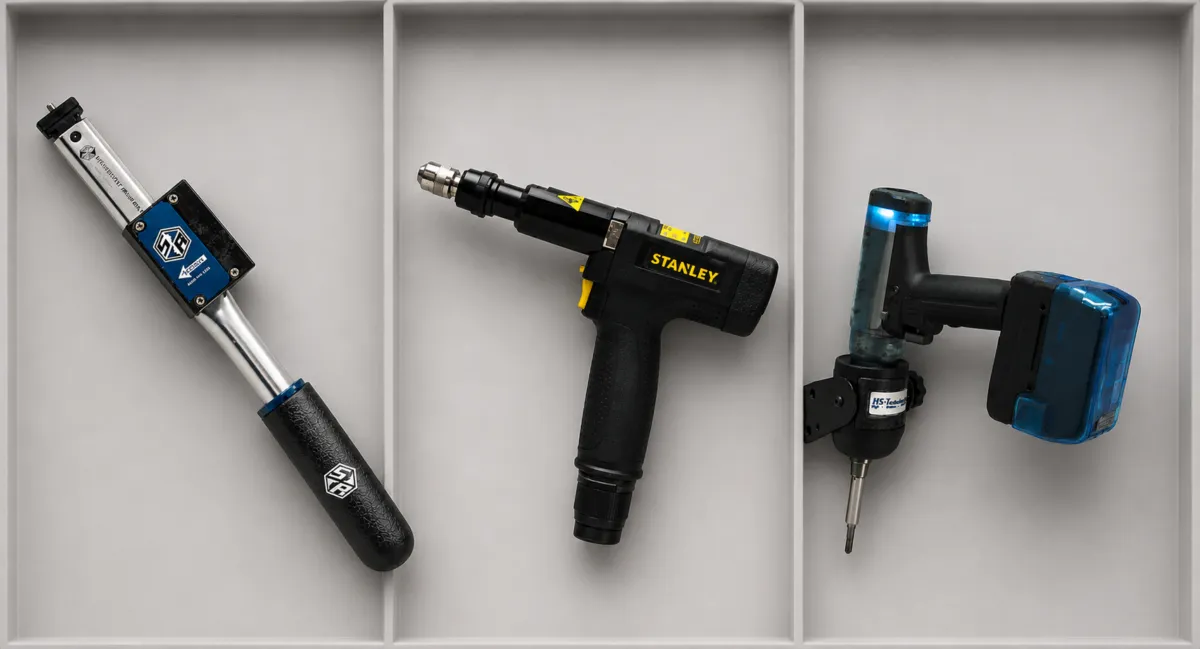
2. Montage met koppel
Resultaat: Geen losse of te vast aangedraaide bouten
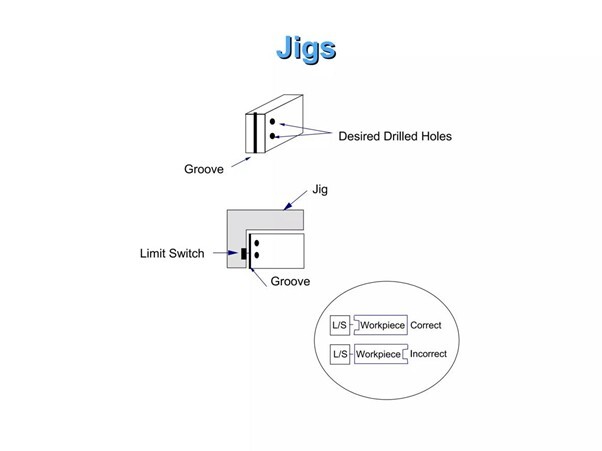
3. Opspanningen en mallen
Resultaat: Geen onjuiste plaatsing
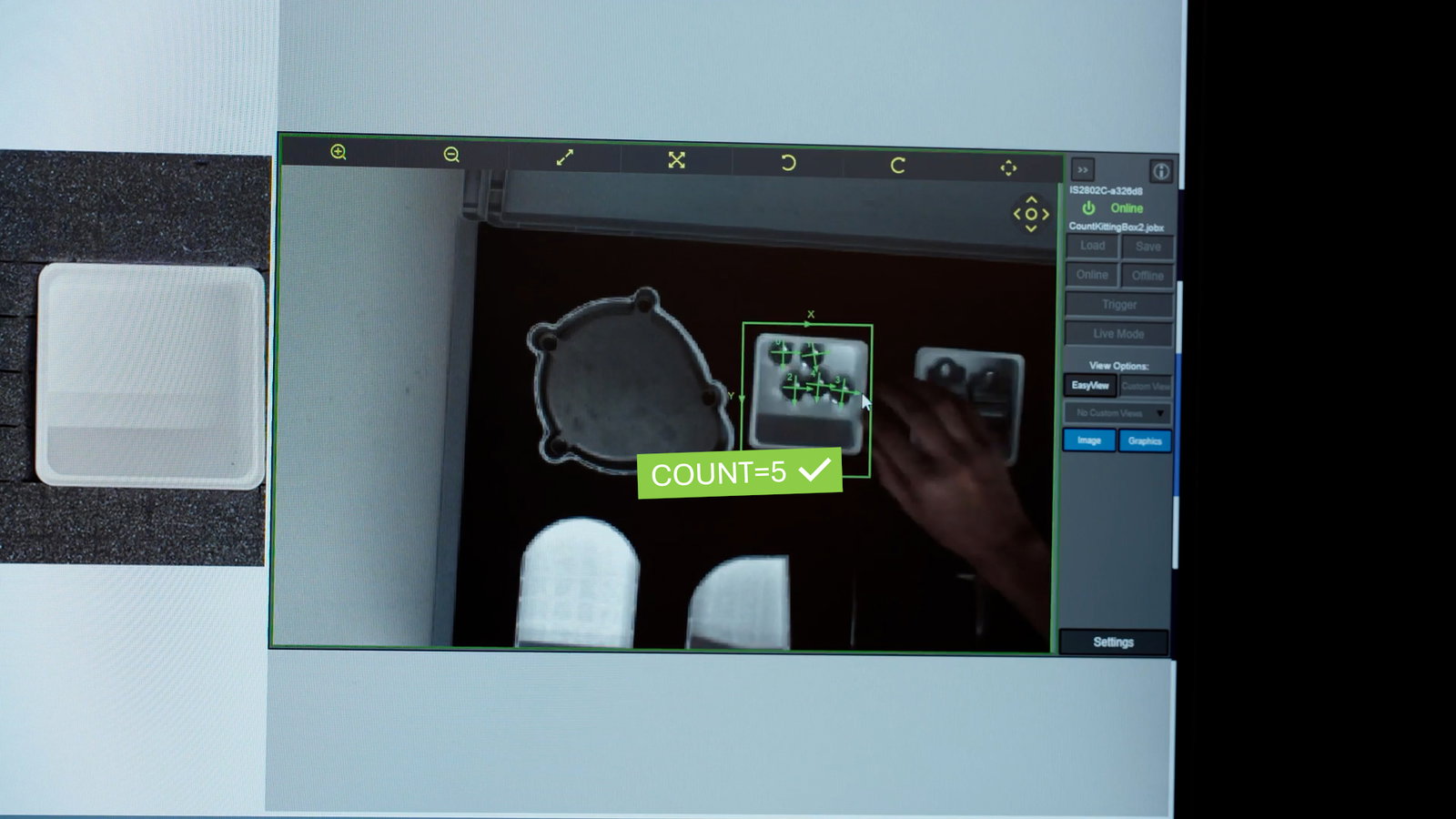
4. Machine visie systemen en sensoren
Resultaat: Real-time validatie zonder afhankelijk te zijn van het oordeel van operatoren

5. Barcode- en traceerbaarheidssystemen
Resultaat: Volledige traceerbaarheid en minder verwisselingen
Een van de krachtigste moderne ontwikkelingen van poka-yoke is operator guidance door middel van elektronische werkinstructies.
In plaats van te vertrouwen op het geheugen:
Voorbeeld:
Een digitaal systeem kan:
Dit verandert poka-yoke van statische tools → dynamische systemen.
Voordelen van Poka-Yoke Productiebedrijven
Het implementeren van poka-yoke in productiebedrijven leidt tot:
✅ Verbeterde kwaliteit
Minder assemblagefouten
Snellere training
Hogere productiviteit
Betere traceerbaarheid
Traditionele poka-yoke vertrouwt op:
Moderne productiebedrijven combineren dit met:
Dit creëert een volledig gecontroleerd proces waarbij:
| Gebied | Voor Poka-Yoke | Na Poka-Yoke | Impact / ROI Chauffeur |
|---|---|---|---|
| Assemblagefouten | Frequente fouten (verkeerde onderdelen, gemiste stappen, onjuist koppel) | Fouten voorkomen of direct ontdekt | ↓ Afkeur, ↓ herbewerkingskosten |
| Eerste keer goed (FTR) | 78-92% typisch | 98-100% haalbaar | ↑ Opbrengst = directe kostenbesparingen |
| Bewerkingen en afval | Veel herbewerkingscycli en materiaalafval | Minimale tot bijna-nul defecten | Besparingen op arbeid + materialen |
| Afhankelijkheid operatoren | Grote afhankelijkheid van vaardigheid en ervaring | Begeleide, gestandaardiseerde uitvoering | ↓ Trainingskosten, ↓ variabiliteit |
| Trainingstijd | Weken tot maanden | Dagen tot weken | Sneller inwerken = arbeidsefficiëntie |
| Procesconsistentie | Inconsistente uitvoer tussen operatoren/ploegen | Volledig gestandaardiseerde uitvoering | Stabiele kwaliteit = minder escalaties |
| Inspectie kosten | Zware eindinspectie nodig | Minder behoefte aan eindinspectie | ↓ Arbeid voor kwaliteitscontrole |
| Stilstand | Stops door kwaliteitsproblemen en herbewerkingen | Minder onderbrekingen | ↑ Doorvoer |
| Traceerbaarheid | Beperkte of handmatige traceerbaarheid | Volledige digitale traceerbaarheid | Snellere oorzakenanalyse |
| Klachten van klanten | Hoger ontsnappingspercentage defecten | Aanzienlijke vermindering | ↓ Garantie & reputatieschade |
Poka-yoke productiebedrijven hebben het niet meer alleen over eenvoudige bevestigingen, maar over het bouwen van intelligente, geleide systemen die fouten onmogelijk maken.
Als u assemblagefouten wilt verminderen en de kwaliteit wilt verbeteren, is de combinatie van:
...een van de meest effectieve strategieën die momenteel beschikbaar zijn.