Wat zijn cobots of corobots?
Wat is een cobot (of corobot)?
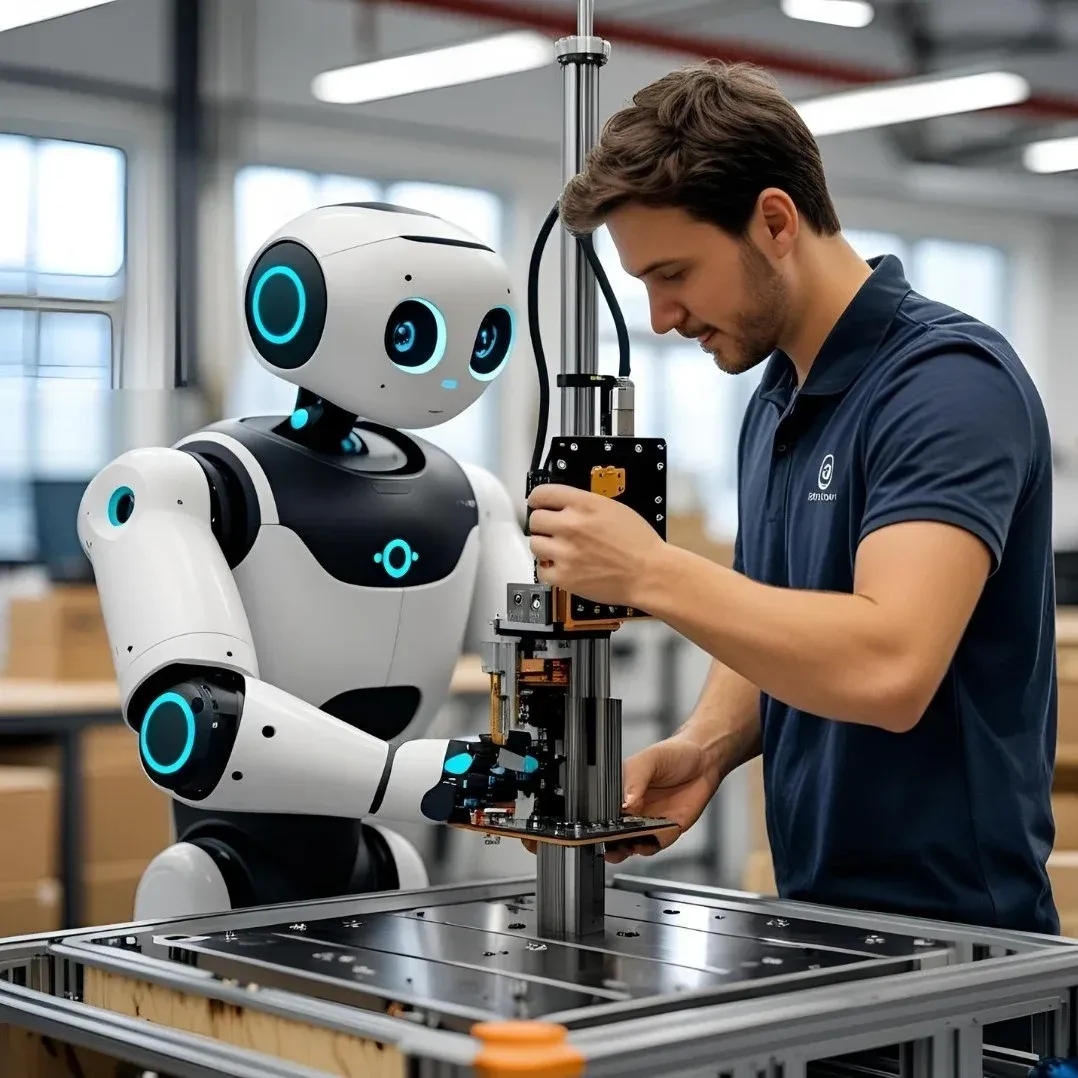
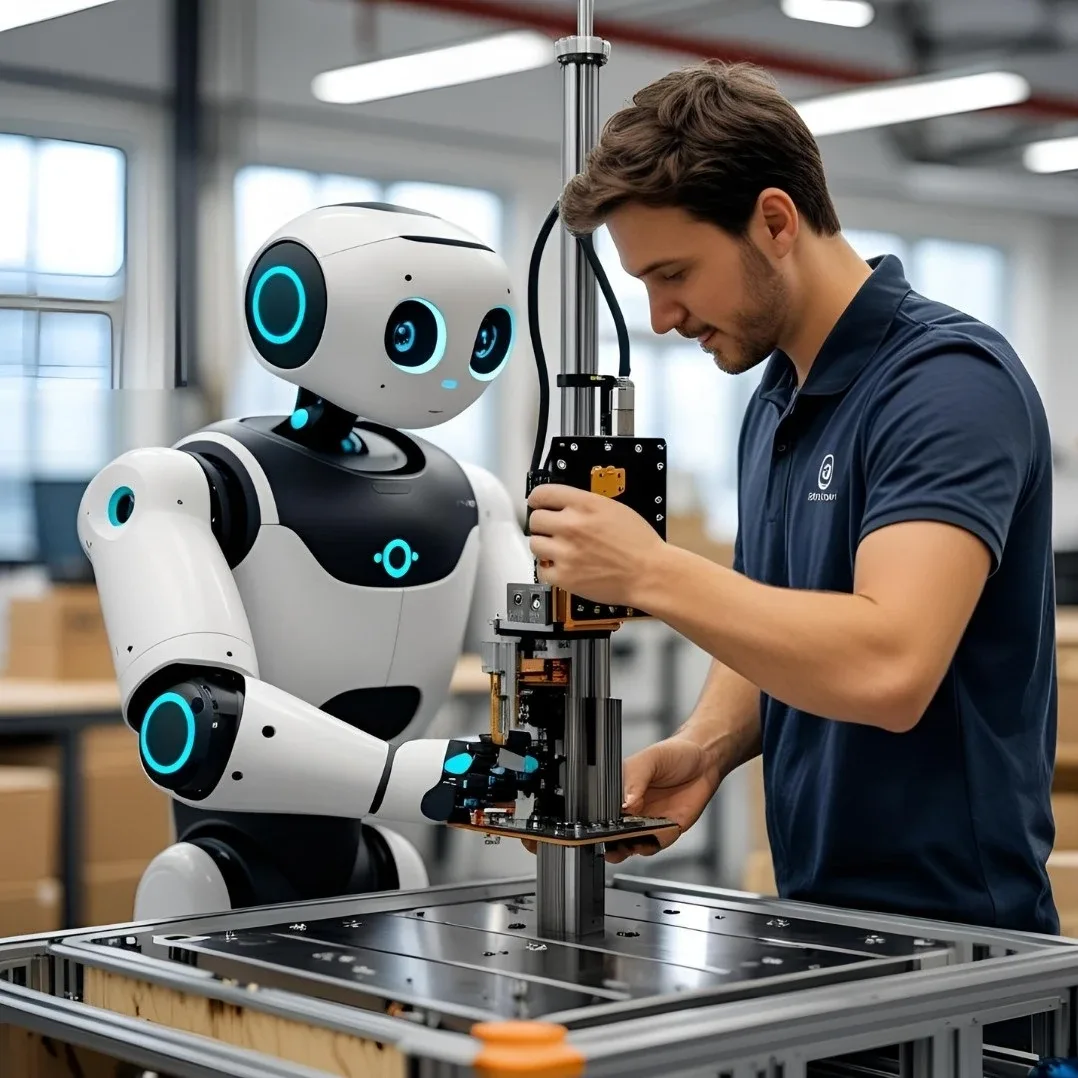
Een cobot is de afkorting van ‘collaborative robot’ en wordt vaak ook wel een corobot genoemd . Dit is een soort robot die speciaal is ontworpen om samen te werken met mensen. In tegenstelling tot traditionele industriële robots, die vaak in kooien worden opgesloten omdat ze gevaarlijk kunnen zijn, kunnen cobots of corobots veilig zij aan zij met mensen werken.
Waarin verschillen cobots en corobots van gewone robots?
- Traditionele industriële robots zijn meestal groot, krachtig en zeer snel. Ze zijn gebouwd en geprogrammeerd om steeds weer dezelfde taak uit te voeren zonder zich bewust te zijn van hun omgeving. Ze worden vaak geprogrammeerd met specifieke werkinstructiesoftware voor het uitvoeren van één soort taak.
- Omdat ze geen sensoren hebben om mensen te detecteren, kunnen ze per ongeluk iemand raken of verpletteren als iemand te dichtbij komt. Dat is de reden waarom deze robots vaak in een beveiligde kooi of in een aparte ruimte werken.
- Cobots of corobots daarentegen zijn uitgerust met sensoren, camera’s en intelligente software waardoor mensen veilig in dezelfde ruimte kunnen werken. Als er iemand nadert, vertraagt de corobot of stopt hij. Ze zijn gebouwd om met mensen samen te werken, niet om hen te vervangen.
Hoe werkt een corobot?
Voordat een opdracht wordt gestart, moeten er digitale werkinstructies in de corobot worden geprogrammeerd.
Een corobot voert voorgeprogrammeerde taken uit, zoals
- het oppakken of vasthouden van onderdelen
- Componenten aan elkaar vastschroeven
- Producten verplaatsen van de ene plaats naar de andere
Sommige cobots of corobots kunnen zelfs leren door middel van demonstratie. Dit betekent dat een persoon de beweging één keer laat zien en de robot deze automatisch herhaalt. Dit biedt de mogelijkheid voor mensen en corobots om efficiënt samen te werken.
Hoeveel kost een cobot of corobot?
De prijs van een cobot hangt af van de grootte, kracht en functies:
- Basismodellen zijn al verkrijgbaar vanaf ongeveer € 15.000
Geavanceerde corobots met meer sensoren, beeldverwerkingssystemen of AI-mogelijkheden kunnen tot € 50.000 of meer kosten.
Hoewel dit duur klinkt, zijn ze vaak goedkoper dan traditionele robots. Omdat cobots geen grote veiligheidskooi of zware infrastructuur nodig hebben, zijn ze in totaal goedkoper. Ze zijn ook flexibel, omdat één cobot meerdere taken kan uitvoeren, waardoor het niet nodig is om meerdere gespecialiseerde machines aan te schaffen.
Wie ontwikkelt cobots en corobots?
Cobots werden voor het eerst populair gemaakt door het Deense bedrijf Universal Robots. Zij behoren tot de toonaangevende ontwikkelaars wereldwijd. Andere bedrijven volgden al snel.
Voorbeelden van andere bedrijven die ook corobots bouwen zijn
Deze bedrijven staan bekend om hun betrouwbare industriële robots. Ze hebben hun assortiment uitgebreid met collaboratieve robots, zodat mensen en robots veilig kunnen samenwerken.

Voordelen van het gebruik van cobots
- Veiligheid: cobots hebben ingebouwde slimme sensoren die kunnen detecteren wanneer er een persoon in de buurt is. In plaats van op volle snelheid door te gaan, vertragen ze of stoppen ze volledig. Hierdoor kunnen mensen op een veilige manier zij aan zij met machines werken.
- Efficiëntie: door saaie en repetitieve taken aan cobots over te laten, kunnen operatoren zich concentreren op de complexere aspecten van het werk. Deze combinatie leidt doorgaans tot een sneller productieproces. En, heel belangrijk, er worden minder fouten gemaakt.
- Flexibiliteit: in tegenstelling tot grote traditionele robots zijn cobots licht van gewicht. Ze zijn ook vrij eenvoudig te herprogrammeren met nieuwe werkinstructies voor een nieuw productieproces. Als een bedrijf zijn productlijn wijzigt, kan dezelfde cobot een nieuwe taak krijgen. Dit voorkomt dat het bedrijf een volledig nieuwe robot moet aanschaffen.
- Ondersteuning: veel taken in fabrieken gaan gepaard met zwaar tillen of repetitieve bewegingen die op korte of lange termijn letsel kunnen veroorzaken. Een cobot kan de zware of saaie taken op zich nemen, terwijl mensen zich kunnen richten op taken die creativiteit, flexibiliteit of probleemoplossend vermogen vereisen.
Kostenbesparingen: hoewel de aanschafprijs misschien hoog lijkt, zijn deze cobots doorgaans goedkoper te installeren dan traditionele robots. Dit komt doordat het bedrijf dat ze gebruikt geen dure kooien hoeft aan te schaffen of extra veiligheidsmaatregelen hoeft te nemen. Op de lange termijn leveren ze vaak een kostenbesparing op dankzij een hogere productiviteit en een lager foutenpercentage.
Waar worden cobots gebruikt?
- Fabrieken: in productiebedrijven worden corobots ingezet voor taken zoals het assembleren van auto’s, elektronica of kleine apparaten. Ze kunnen samenwerken met een menselijke technicus. Zij voeren repetitieve taken uit, terwijl mensen zich richten op kwaliteitscontrole.
- Logistiek: in magazijnen worden cobots ingezet om te helpen bij het verpakken, sorteren en verplaatsen van dozen. Dit versnelt de leveringen en ontlast operatoren die anders de hele dag zwaar tilwerk zouden moeten verrichten. Op deze manier wordt het aantal letsels verminderd. Op de lange termijn levert dit ook een kostenbesparing op.
- Medische laboratoria: in laboratoria is precisie van het grootste belang. Corobots kunnen delicate taken uitvoeren, zoals het afmeten van vloeistoffen of het voorbereiden van monsters. Dit helpt wetenschappers fouten te voorkomen en bespaart hen kostbare tijd. En nogmaals: dit draagt bij aan het terugdringen van fouten.
- Scholen en opleidingscentra: sommige scholen, technische opleidingen en robotica-laboratoria gebruiken cobots om te laten zien hoe mensen en robots kunnen samenwerken. Dit komt vooral veel voor in opleidingen op het gebied van techniek, automatisering of productie.
Afsluitende gedachten
Cobots (of collaboratieve robots) zijn ontworpen om mensen te helpen, niet om hen te vervangen. Traditionele robots zijn sterk, maar moeten om veiligheidsredenen afgeschermd worden, terwijl cobots veilig, flexibel en coöperatief zijn. Ze combineren hun eigen nauwkeurigheid en kracht met de flexibiliteit en probleemoplossende vaardigheden van mensen. Op werkplekken waar veel repetitieve of zware taken moeten worden uitgevoerd, maken deze robots het werk over het algemeen veiliger en sneller.